
The Ministry of Health (SSA) confirmed 2,153 cases of measles in the country as of June 13, 2025, representing an increase of 80 infections compared to the previous week. Chihuahua remains the epicenter of the outbreak with 2,006 cases, or 93% of the national total.
According to the National Epidemiological Bulletin, Chihuahua has an incidence rate of 50.59 cases per 100,000 inhabitants, followed by Sonora (2.12) and Zacatecas (1.10).
Most affected municipalities
Three municipalities in Chihuahua account for 73.55% of the infections in the state:
Cuauhtémoc: 739 cases
Chihuahua (capital): 337
Ahumada: 42
National distribution
In addition to Chihuahua, other states have reported cases:
Sonora: 69
Zacatecas: 19
Tamaulipas: 12
Coahuila: 10
Durango: 8
Campeche: 6
Guerrero and Michoacán: 5 each
Oaxaca: 4
Guanajuato and Sinaloa: 2 each
Querétaro, Quintana Roo, San Luis Potosí, Tabasco, and Yucatán: 1 case each
Infection profile
Sex: 52.2% are women (1,123 cases), 47.8% are men (1,030)
Most affected age group: 25 to 29 years old (14.7%) and 30 to 34 years old (13.1%)
Vaccination: 92% of cases have no vaccination history, 3.8% received one dose, and 4.2% have a complete vaccination schedule.
Measles Deaths
Five deaths have been confirmed:
Four in Chihuahua (including two minors and a Rarámuri girl).
One in Sonora, a girl from a day laborer family in Chihuahua.
In all cases, the victims were not fully vaccinated, and some suffered from conditions such as diabetes, leukemia, or severe malnutrition.
How is measles transmitted?
According to Dr. Rosa María Wong Chew of the UNAM School of Medicine, the virus is transmitted through respiratory droplets and can remain in the air or on surfaces for hours. An infected person can infect between 12 and 18 people.
Symptoms and Prevention
Phase 1 (prodomal): fever, cough, congestion, conjunctivitis, Koplik spots
Phase 2 (exanthematous): skin rash that begins on the head and spreads to the rest of the body
Complications: otitis media, pneumonia, encephalitis, hepatitis, blindness
There is no specific antiviral treatment; only isolation, symptom control, and vaccination as a preventive measure.
Vaccination in Mexico
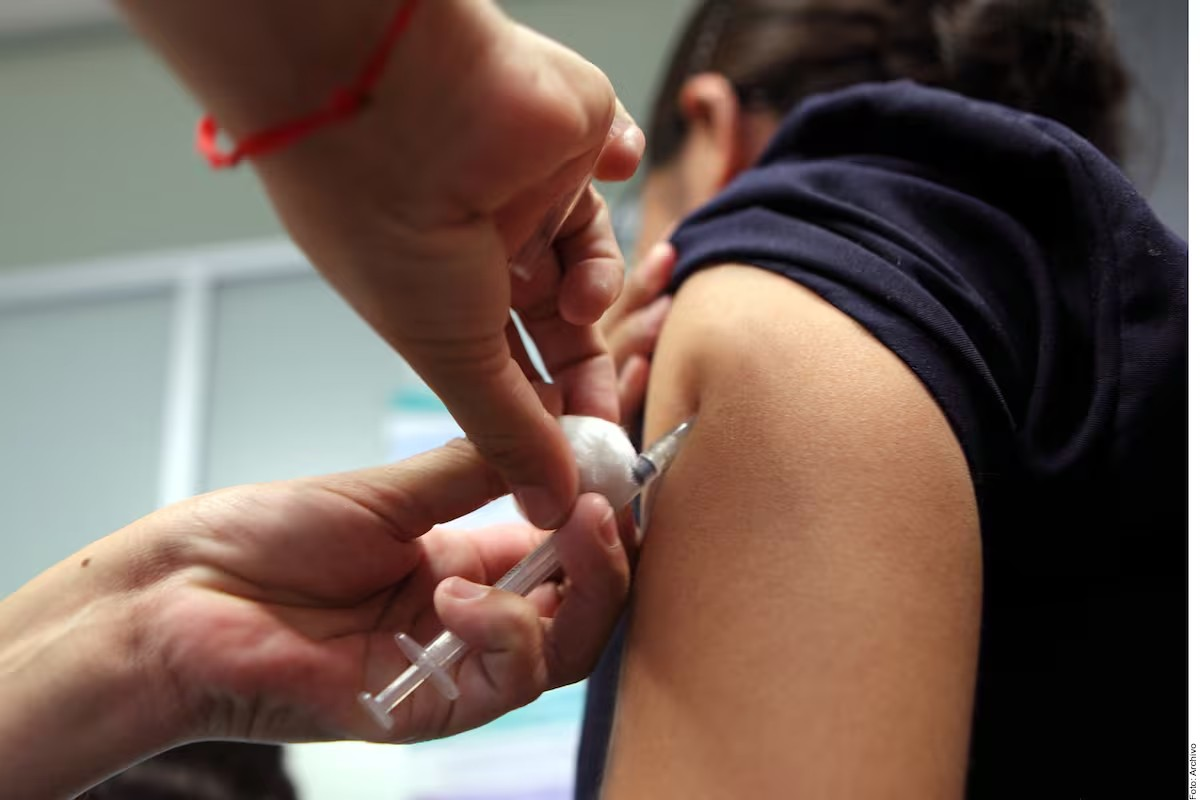
The national schedule includes the MMR vaccine (measles, mumps, and rubella):
First dose: at 12 months
Booster: at 6 years
For children over 11 years of age who have not completed the schedule, the MR vaccine is administered
The vaccine is available at public health centers and authorized private hospitals.
Source: elimparcial