
The rains recorded in recent weeks have failed to alleviate the water crisis affecting dams in northern Tamaulipas, according to the most recent report from the National Water Commission (Conagua).
Although some dams in the south are near or even above capacity, those located in the north continue to show critical levels, a situation that complicates compliance with international water commitments to the United States.
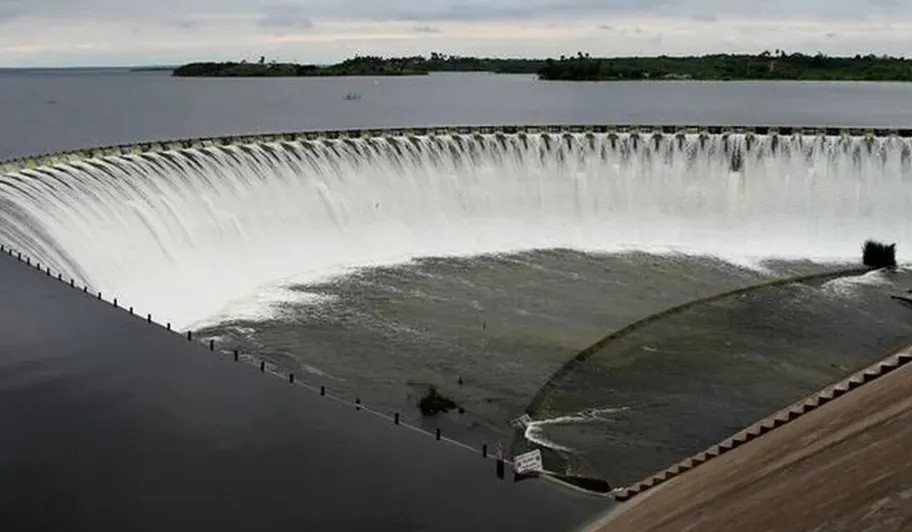
According to the Gulf of Mexico basin organization’s report as of July 14, the Falcón International Dam, located on the border, is barely at 8.3% of its capacity, while the Las Blancas Diversion Dam is at 34.2%. Both are key to supplying water to the border region and to covering part of the water treaty with the neighboring country.
In contrast, the dams located in the south of the state show better figures: the Tamesí River Lagoon System remains at 92.3% capacity, the República Española Dam reaches 97% capacity, and the Pedro José Méndez Dam even exceeds 100% at 101.2%.
Currently, Mexico has delivered only 839.5 million cubic meters of water, which represents only 39% of the volume committed in the five-year agreement with the United States, which expires on October 24.
The federal government has resorted to releasing water from the San Juan River basin through the El Cuchillo dam in Nuevo León and the Marte R. Gómez dam in Tamaulipas, the latter currently at 92.9% capacity, to try to reduce the debt. However, the volume available in the north of the state remains insufficient to guarantee full compliance with the quota.
When is the US debt due?
While southern Tamaulipas is reporting improved levels thanks to the rains, the north is facing a critical situation less than three months before the deadline to settle the international commitment, increasing pressure on authorities to find water solutions that avoid sanctions or further tensions in the bilateral relationship.

Source: milenio