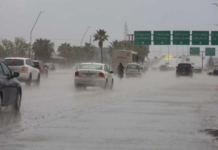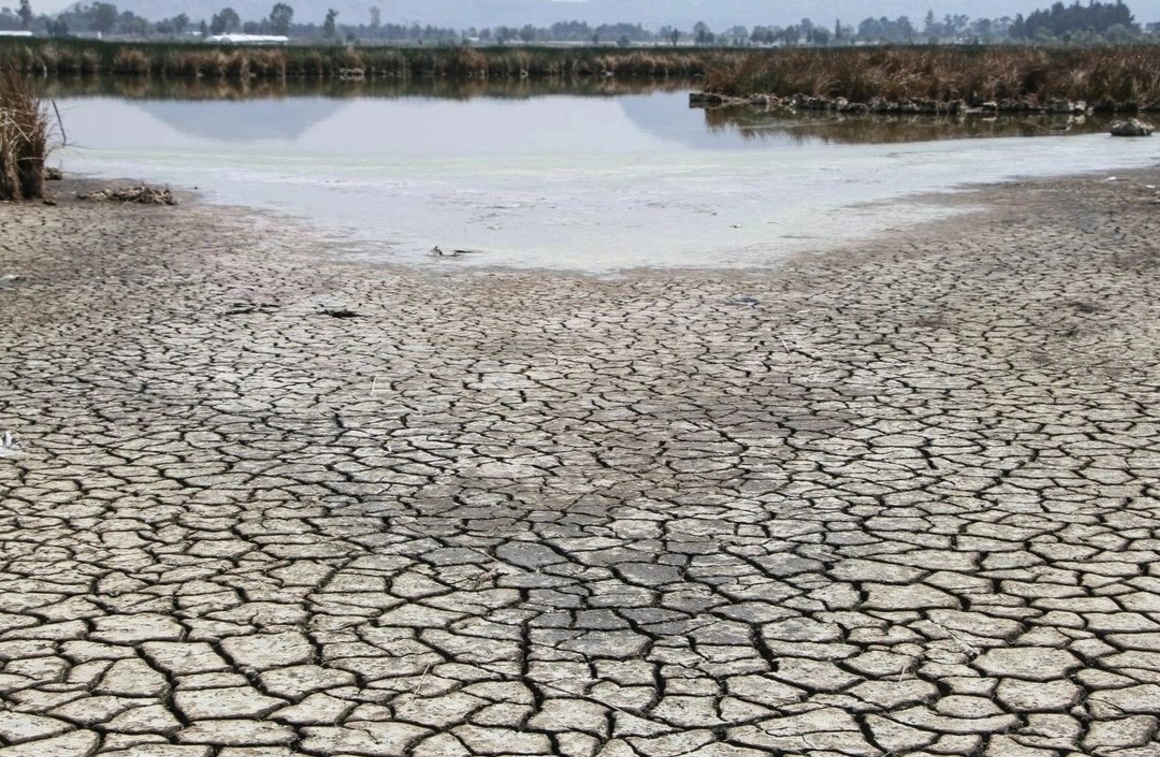

The total storage capacity of Durango’s reservoirs increased from 25 to 31 percent with this season’s rainfall, which is currently alleviating the drought that has prevailed in the state for the past five years. According to the National Water Commission (Conagua) Drought Monitor, only 11 Durango municipalities are experiencing moderate drought, meaning that 67 percent of the state’s surface area is not affected.
The municipalities experiencing moderate drought are Canatlán, Durango, General Simón Bolívar, Guanaceví, Ocampo, El Oro, San Bernardo, San Dimas, San Juan de Guadalupe, Tamazula, and Tepehuanes.
Another 11 municipalities are considered to be out of drought, although they are “abnormally dry”: Canelas, Cuencamé, Gómez Palacio, Hidalgo, Indé, Lerdo, Nazas, Otáez, Pueblo Nuevo, Santiago Papasquiaro, and Topia.
Seventeen additional municipalities were assessed as being in “normal conditions.” These are Coneto de Comonfort, Guadalupe Victoria, Mapimí, Mezquital, Nombre de Dios, Pánuco de Coronado, Peñón Blanco, Poanas, Rodeo, Súchil, Tlahualilo, Vicente Guerrero, Nuevo Ideal, San Juan del Río, San Luis del Cordero, San Pedro del Gallo, and Santa Clara.
The Drought Monitor indicates that July 2025 has been milder than the other seven months so far in the 2020s. A year ago, 14 municipalities in Durango were experiencing exceptional drought; six were experiencing extreme drought, 15 were experiencing severe drought, and only three were experiencing moderate drought. In other words, the entire state was affected by drought.
For the same dates in 2023, nine municipalities were reported to be experiencing severe drought, nine were reported to be experiencing moderate drought, eight were classified as abnormally dry, and three were experiencing normal conditions. For 2022, 16 districts were reported to be experiencing severe drought, 11 moderate drought, 10 were classified as abnormally dry, and only two were in a normal state.
In turn, the Department of Meteorology and Hydrology of Conagua (National Water Commission) indicated that recent rains have left almost 300 million cubic meters of water in the state’s ten main dams. This liquid has allowed the overall storage level to rise from 25 percent at the end of June to 31 percent on July 21.
Thus, the Lázaro Cárdenas dam, the largest in the state—located in the north of the state, in the municipalities of Indé and El Oro—has emerged from a critical phase and is 23 percent full, after receiving 180 million cubic meters so far in July.

Source: jornada