
If Mexico does not strengthen its protocols related to air security, including those to prevent terrorist risks, “then obviously there will be questioning from the United States” and it could lose its Category 1 status again, said José María Ramos García, research professor at the Colegio de la Frontera Norte (Colef).
Participating in the symposium “Social Dialogue: Realities, Challenges, and Future of Air Transport in Mexico,” held by the Union Association of Airline Pilots (ASPA), he said that a very interesting negotiation of the USMCA is coming, where the US government will include the issue of national security. He noted that there are two important regulations influencing the current administration of that country: the National Emergency Act and the Act that declares criminal organizations as terrorists.
In this regard, he stated that in this renegotiation of the treaty with Mexico and Canada, the United States will surely request certainty to avoid risks to its sovereignty, greater interference by criminal groups, and, above all, “what are its concerns”: avoiding terrorist risks, but also the issue of fentanyl.
“The United States is raising these two issues as part of its cross-cutting agenda, so what will most likely come is that it will continue to strengthen with another series of restrictions, controls, and, above all, demands for air safety per se, but also for national security. We must be vigilant from the perspective of the position we must have as a State, academia, the business sector, and, obviously, the pilots.”
In this regard, he stated that the federal government should propose and discuss an aeronautical policy project within Plan Mexico, a project that seeks to offset potential losses that may arise from the current moment of uncertainty with the United States, among other things due to the impact of tariffs and the climate generated by the new measures taken by the neighboring country to the north.
“I believe it is essential, and above all, [we must] work on the issues of technological development innovation, social impact, and issues related to labor rights. Other issues are the energy transition and sustainability, the economic challenge and its implications, the strengthening of institutions, and finally, the issue of security.
He reiterated that all the conditions are in place to try to articulate an aeronautical policy proposal to strengthen it, creating a series of incentives for all stakeholders, which can generate a series of benefits not only to strengthen the competitiveness and well-being of all stakeholders in the sector, but also to adapt to what is coming: the World Cup and with it a series of implications of increased air traffic.”
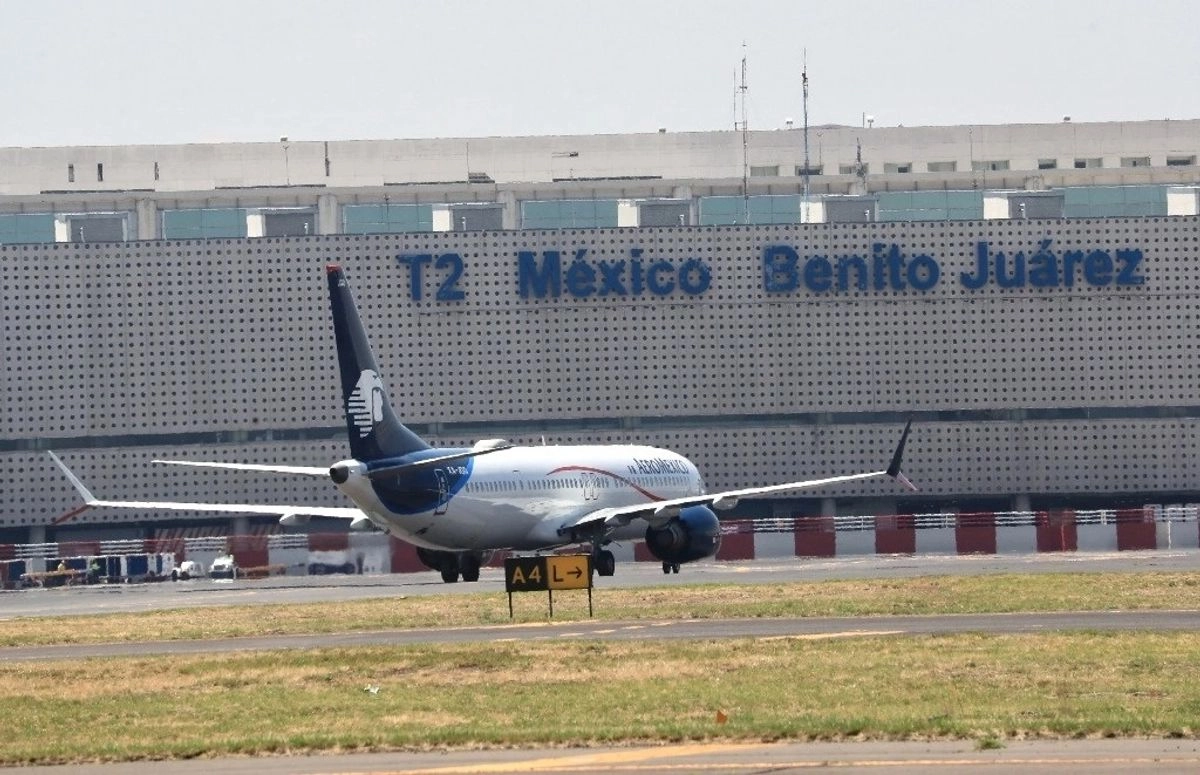
On the other hand, the Secretary General of Aspa, Jesús Ortiz Álvarez, stated that the Mexico City International Airport (AICM) requires a “necessary budget” to continue operating in optimal conditions. He also added that it is necessary to implement an aeronautical policy that ensures the viability of the airport.

Source: jornada