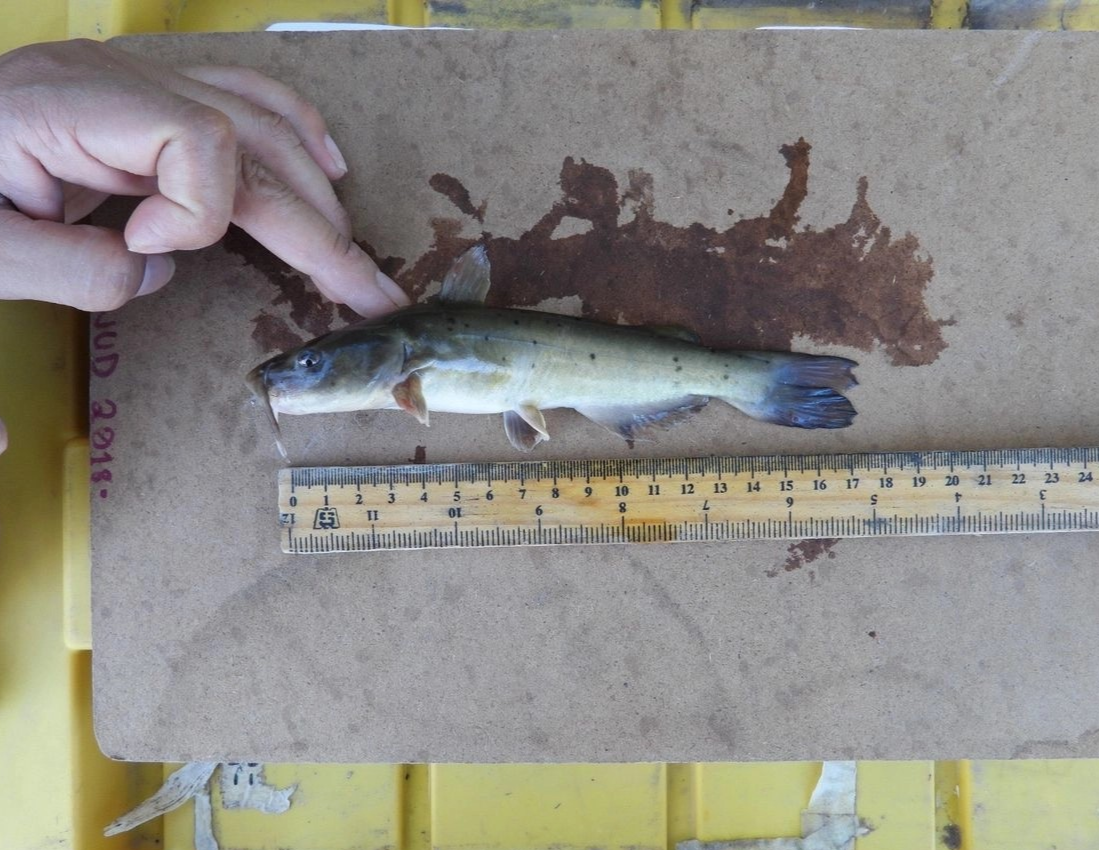

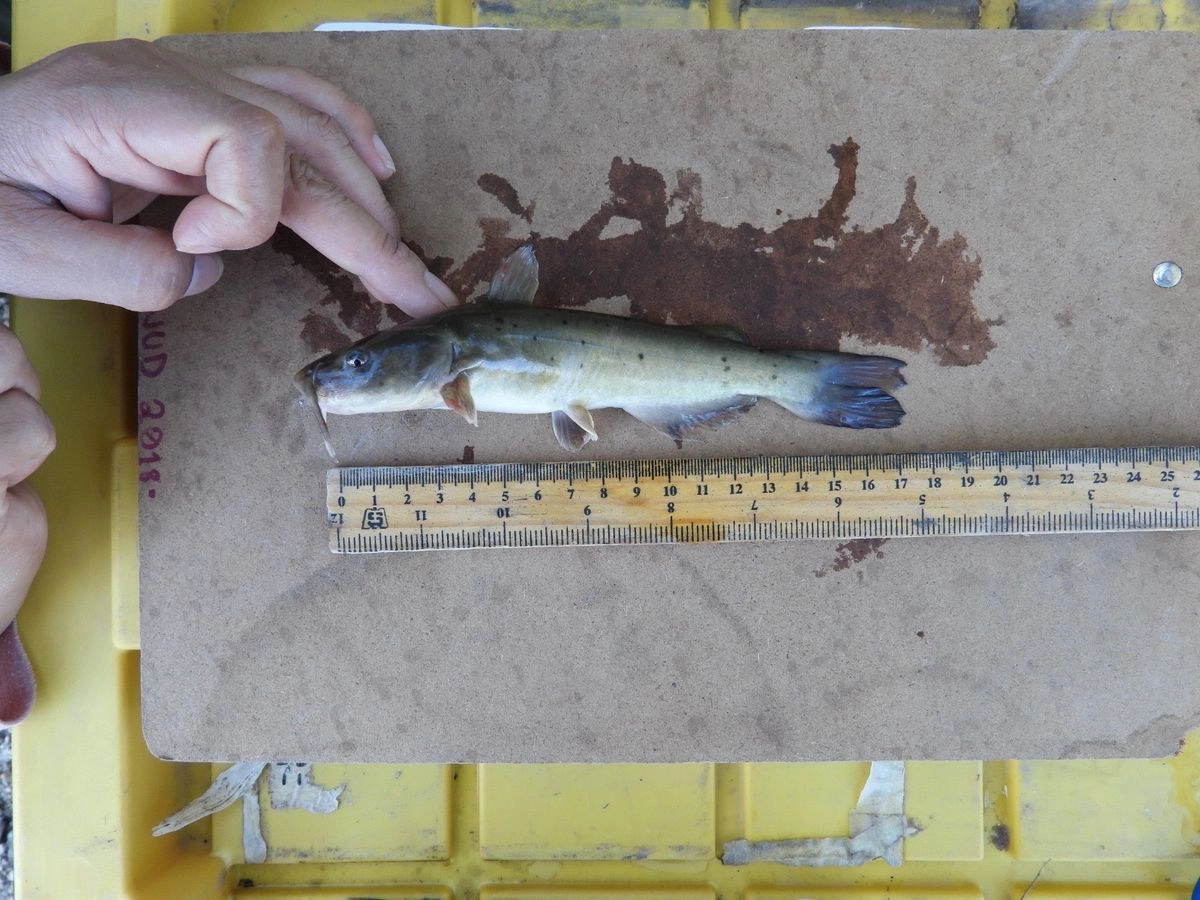
A new species of fish discovered in the Nazas River, in the Laguna region of Durango, could be key to creating conservation policies for the body of water’s ecosystem. After seven years of research, Edith Ávila Treviño, a PhD student in Biodiversity and Ecology at the Faculty of Biological Sciences at the Juárez University of the State of Durango (UJED), and Gabriel Fernando Cardoza Martínez, a doctor and researcher at the same institution, located the Ictalurus nazas, endemic to the riverbed for which it is named, on the border of the municipality of Nazas.
“This can be used as a symbol for the conservation of the Nazas River. By protecting this species, we can also protect the entire riparian ecosystem (the transition zone between terrestrial and aquatic environments, which includes riverbanks, floodplains, and wetlands), riparian vegetation, other fish species, and basically the entire ecosystem,” said Cardoza Martínez.
The researchers published their findings in the journal Zookeys, published in Bulgaria and specialized in animal husbandry.
For her part, Ávila Treviño pointed out that this new species was observed only in a small population, so studies are needed to determine whether it is in danger of extinction. “Right now we can’t confirm that (it’s an endangered species) because a study of all populations has yet to be conducted. But what we have observed is a decrease (in specimens), because in the locations where we found them, there are two to six individuals,” the doctoral student emphasized.
The scientists announced that if, after conducting the corresponding studies, the recently discovered animal is declared endangered, it can also be conserved and policies can be created to protect the Nazas River ecosystem.
Both researchers agreed that the discovery of this new species represents a significant advance, especially since most new species found around the world are invertebrates, compared to Ictalurus nazas, which has a skeleton.
Source: jornada