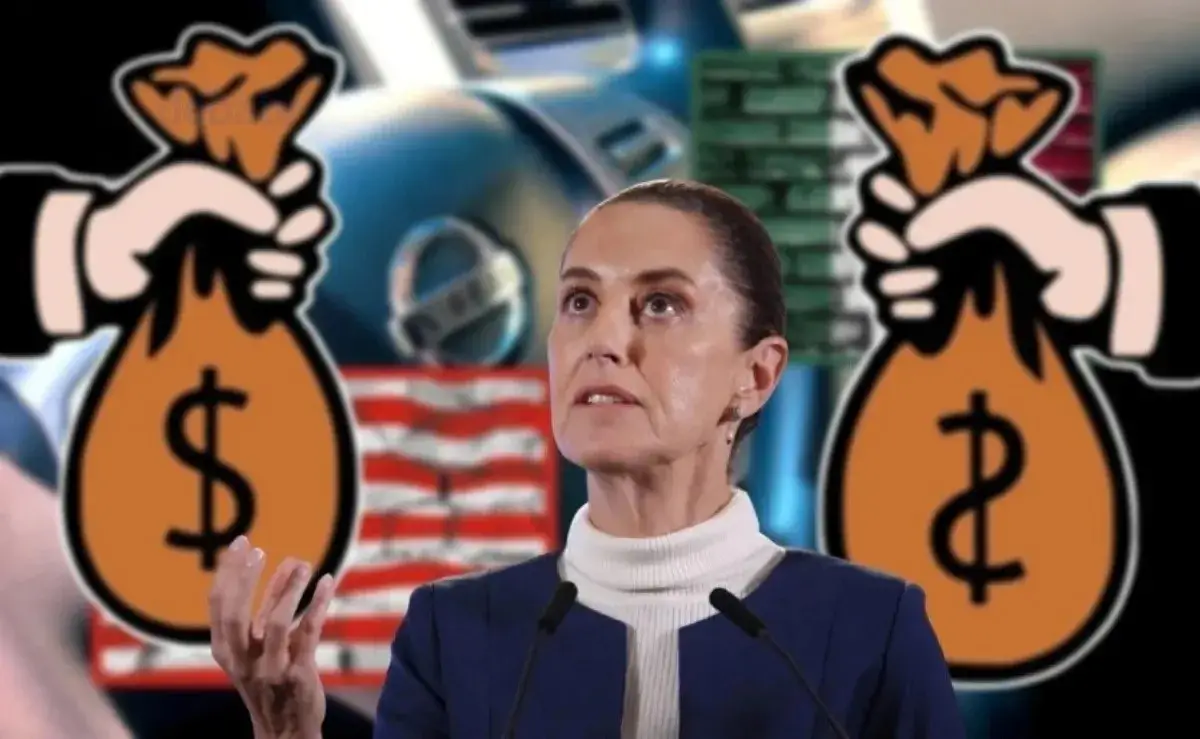

A recently announced reform proposal promising to forever change the Mexican environment has generated doubts, many doubts, among those with unregistered vehicles awaiting legalization under President Andrés Manuel López Obrador’s (AMLO) decree: Mayor Claudia Sheinbaum Pardo’s administration has prohibited the importation of certain vehicles.
The main question among those who import these vehicles from the United States, Canada, Asia, and Europe for resale, or those who do so for personal use to legalize them in the Public Vehicle Registry (Repuve), is: Will this affect the current operating rules established in the Official Gazette of the Federation (DOF)?
What is the reform initiative about?
Under the solemn roof of the Ministry of Economy, the roar of the old engines began to fade. It was November 4, 2025, when Alicia Bárcena, head of the Ministry of Environment and Natural Resources (Semarnat), addressed representatives from the government and the private sector to sign an agreement that promises to change the course of national transportation: Mexico is prohibiting the importation of old and highly polluting diesel vehicles.
The event, titled “Reception of the Agreement on Environmental Conditions for the Importation of Used Vehicles,” brought together key figures: Marcelo Ebrard Casaubón, Secretary of Economy; Francisco Cervantes, president of the Business Coordinating Council (CCE); Miguel Ángel Martínez Millán, head of the National Chamber of Freight Transportation (Canacar); Luis Hernández, director of Federal Motor Transport; and specialists Sergio Zirath and Carlos Castillo, who provided the technical framework for the initiative.
The message was clear: the era of polluting “chocolate cars” (vehicles illegally imported from the US) is coming to an end. There will no longer be room for diesel trucks or buses older than 10 years or that do not meet international environmental standards. The agreement aims to clean the air, modernize the national fleet, and achieve the most ambitious goal of the six-year presidential term: decarbonizing the Mexican economy.
The challenge is significant. According to the National Emissions Inventory, transportation generates 23% of the country’s greenhouse gases, and although diesel vehicles represent less than 5% of the vehicle fleet, they are responsible for 61% of the polluting particles floating in the air of cities. In 97% of the cities evaluated, levels of fine particulate matter already exceed permitted limits.
The agreement is part of the environmental policy promoted by Mayor Claudia Sheinbaum, who has made sustainability a central pillar of the Mexico Plan. Her vision is clear: a country where economic growth, technological innovation, and public health coexist in balance with nature.
Since January 2025, all new diesel-powered heavy vehicles have been required to include filters that remove more than 95% of particulate matter, a requirement that puts Mexico on par with international environmental standards.
And what about the private sector?
The agreement, backed by the private sector, not only halts the entry of older vehicles but also incentivizes the renewal of the vehicle fleet, improves fuel quality, and strengthens the competitiveness of Mexican trucking in a global market moving toward electrification.
“This isn’t about stopping development, but about breathing cleaner air and building a modern, clean, and fair economy,” Bárcena stated during her remarks, in a tone that combined environmental urgency with the hope for transformation.
This step, considered an environmental and social milestone, marks the beginning of a new path for Mexico: a country that seeks to prosper without polluting, produce without destroying, and transport without poisoning the air it breathes.
Source: debate