
There’s still more to discover in Tuxtla Gutiérrez. If you’ve already visited the main attractions in the city, prepare to be amazed by the beauty and charm of its surroundings, its gastronomy, and its handicrafts. Join us on a journey around Tuxtla to discover places, flavors, and textures that reveal its identity.
Chiapa de Corzo
This Magical Town is known as the starting point for exploring the imposing Sumidero Canyon. You can’t miss the experience of traveling through the canyon by boat and being awestruck by its dimensions and beauty.
In addition to the canyon, in Chiapa de Corzo you’ll find cultural attractions such as the Nandayapa Marimba Museum. This sanctuary of sound offers a tour through five galleries that narrate the history and evolution of the marimba, from its artisanal construction to its masterful performance.
Visit Chiapas Marimba Museum in Nandayapa
You can also take the opportunity to visit the archaeological site of Chiapa de Corzo. Pyramids, stelae, and ceremonial mounds tell stories of kings, rituals, and ancestral alliances.
Finally, El Chorreadero waterfall is a must-see for any adventure lover.
Ocozocoautla
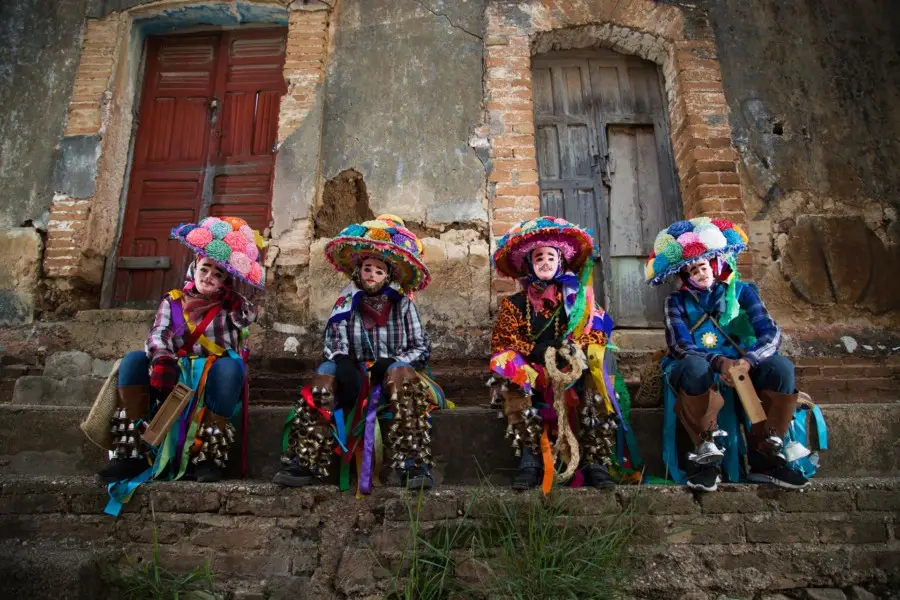
30 kilometers from Tuxtla is the Magical Town of Ocozocoautla, cradle of the ancestral Zoque culture. It is famous for its Zoque Coiteco Carnival, a festival that showcases the syncretism of pre-Hispanic rituals with Christian celebrations. Here you will also find El Aguacero waterfall, formed by several streams that descend through caves and natural terraces, ending in clear pools surrounded by jungle.
Copainalá
Nestled in the mountains of Chiapas, Copainalá is a Pueblo Mágico (Magical Town) that captivates with its architecture and lush vegetation. From its viewpoints, you can admire the majestic mountain landscapes of the Sierra Zoque.
Copoya
From its serene streets, you can contemplate the imposing Cristo de Copoya—a monumental sculpture 64 meters tall that stands atop the hill as a guardian of time and faith—visible from almost anywhere.
Berriozábal
Known as “the spring of Chiapas” for its vibrant floral tradition and its market of ornamental plants, this destination is also known as the birthplace of hammocks in Chiapas.
Visit Chiapas Berriozábal
Another attraction of this town is its park, which is often decorated depending on the season: Day of the Dead, Christmas, or Independence Day, among other occasions.
Sunken Church of Quechula
Built in the 16th century by Dominican friars, this church was submerged by the Grijalva River when the Malpaso Dam was built. A reminder of how nature and human history intertwine, creating landscapes of unparalleled beauty and mystery.

Visit Chiapas Sunken Church of Quechula
The gastronomy of Tuxtla Gutiérrez is rooted in Zoque traditions, where the milpa (traditional Mesoamerican agricultural system), edible flowers, and seasonal herbs play a central role.
Tamales made with chipilín (a type of herb), corn husks, or sour fruit, jacuané (a type of herb), and cuchunuc (a type of herb), as well as baked pork and drinks like pozol and tascalate (a fermented corn beverage), are some emblematic dishes.
Visit Chiapas Tamal Jacuané
The handicrafts of Tuxtla Gutiérrez and its surrounding region are living fragments of Chiapas’ identity. Pre-Hispanic lacquerware pieces fill any space with color, while traditional pottery reaches its peak with the creation of handwoven hammocks. Likewise, folk toys evoke the magic of childhood through figures made of wood and clay.

Source: mexicodesconocido