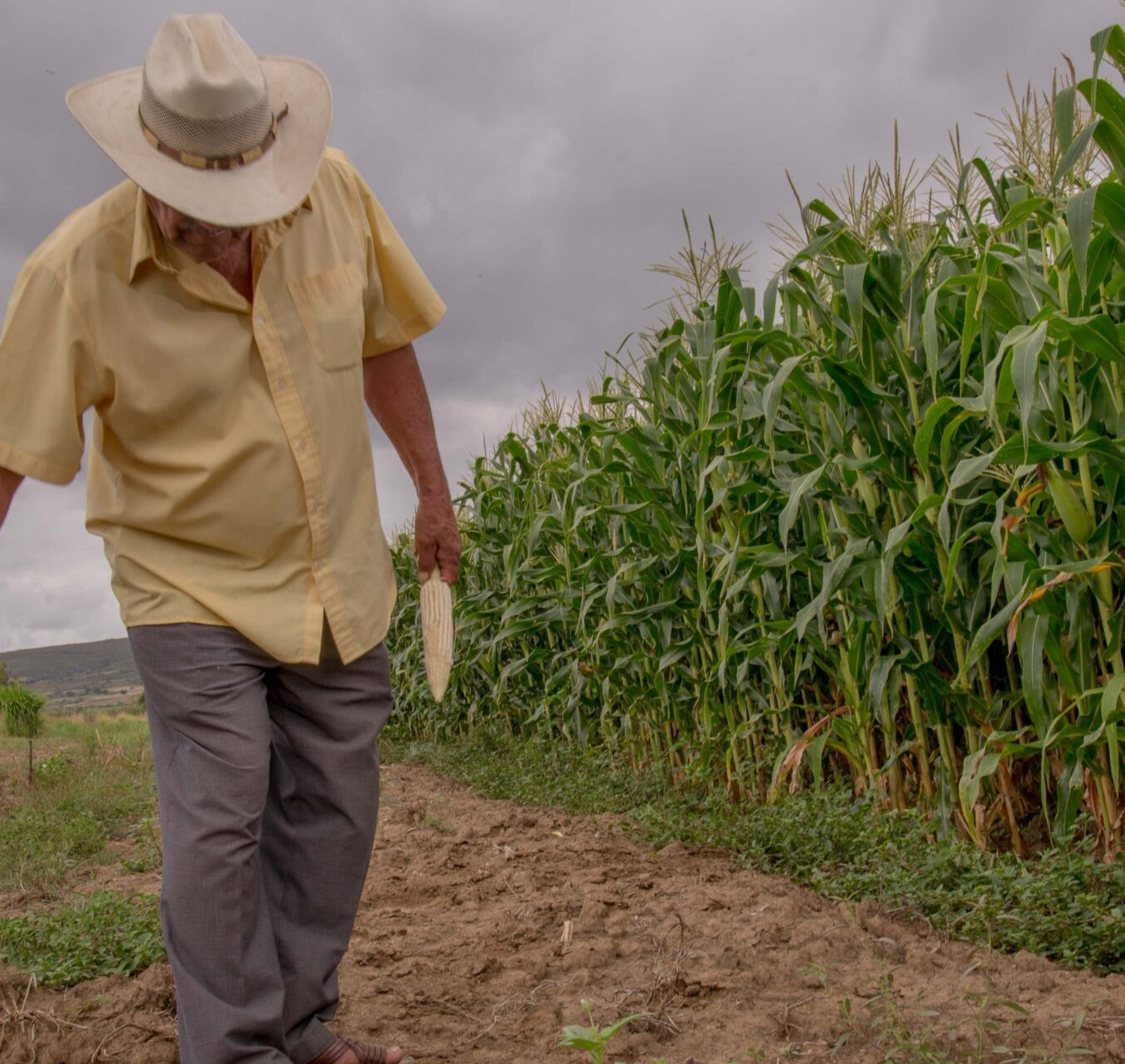

The Mexican countryside lives under threat. Cattle, grain, and citrus producers in Durango are denouncing the growing extortion by criminal groups, which impose a “criminal tax” on every sale or shipment of products. “You can’t sell or buy,” says one anonymous producer.
“If we don’t put a stop to this, it’s going to keep growing,” said Manuel Núñez, a cattle rancher and livestock trader.
Many products in the Mexican countryside are subject to extortion: fruits, citrus, grains, and also livestock. Few, like Manuel, speak out about it. Today, this rancher and trader in several northern states is daring to speak out because he has been threatened by a criminal group in Durango.
They arrive at his corrals with long guns and threaten his workers. “Why are you reporting this? Because if we don’t put a stop to this, it’s going to keep growing. These people are going to keep getting ahead. It’s not just cattle; right now it’s cattle in Durango. In Zacatecas, they’re taking everything, even the sand to build a house,” said Manuel Núñez, a cattle rancher and trader.
Manuel has been forced to pay 7,000 pesos for each head of cattle he sells in Durango. They collect it directly from the producer who sells him the cattle.
“A 200-kilo calf is worth 95 pesos per kilo, 19,000 pesos per head. They want to buy them for 12,000, and where’s the profit? They negotiate at 19,000, which is 7,000 pesos per animal. How do they force the issue? They tell them that no one else can sell there,” said Manuel Núñez, a cattle rancher and trader.
“When they are the only ones who can buy, the price difference is enormous. They punish the producer. 7,000 pesos per calf in a cage is 700,000 pesos for a truckload of calves.”
This extortionate tax is almost 30% of the price. It’s levied in several states, and this is how it operates in Zacatecas today. This other producer from Zacatecas was expelled a couple of years ago and prefers to remain anonymous because he was also threatened for not paying the extortionate tax.
“It’s the law. They demand it. If you don’t pay, there are consequences. They don’t let you work, they don’t let you sell, and things escalate,” said the anonymous producer.
This also happens with lemons, corn, sorghum, and a long list of other crops, depending on the state. This farmers’ leader gives another example with grains in the Bajío region.
They pay a 10% extortionate tax on every ton sold. “In price negotiations, I’m going to deduct the price these guys are asking for, and these guys are criminal cells who know about and threaten the grain buyers, extorting them with protection money like what happens in Guanajuato with corn, sorghum, and wheat,” said Álvaro López, leader of the Union of Agricultural Workers.
In the end, someone ends up paying this blood tax. The organization that represents most agricultural producers and distributors estimates that prices are rising by up to 20%.
“Ultimately, all this extortion ends up costing us between 10 and 20%, from extortion in the fields to extortion of transporters. Extortion is happening all over the country,” said Jorge Esteve Recolons, president of the National Agricultural Council. Ultimately, we all end up paying for the extortion with more expensive products.
Source: tvazteca