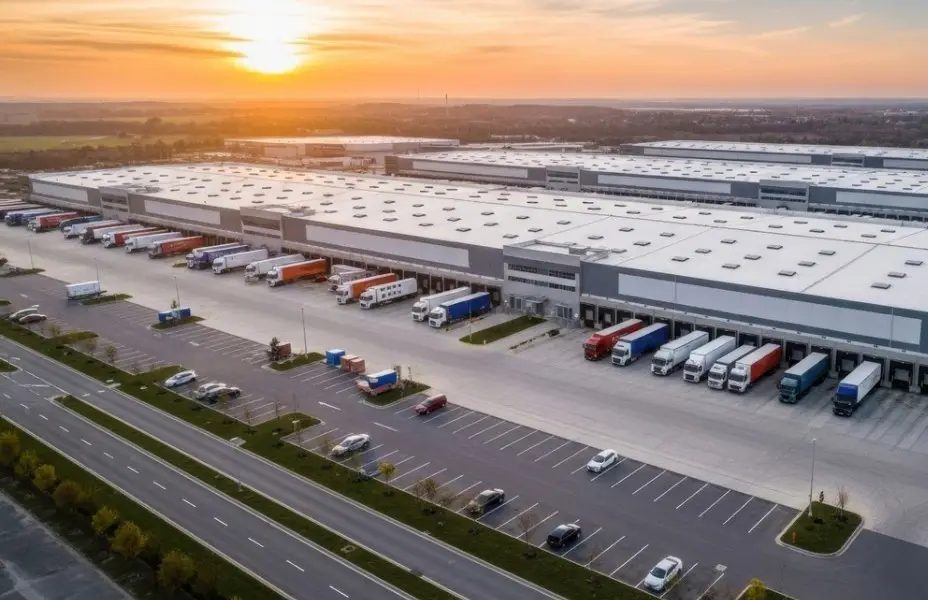

The performance of the industrial market in Mexico during 2025 was determined less by traditional real estate dynamics and much more by external geopolitical, commercial, and macroeconomic factors.
Throughout 2025, the sector transitioned from a final stage of nearshoring euphoria to an adjustment phase, marked by cautious decision-making and a reconfiguration of expectations.
One of the most impactful elements was the hardening of the United States’ trade rhetoric and the return of a protectionist agenda linked to Donald Trump. The threat of new tariffs, as well as the anticipated review of the USMCA, generated uncertainty among manufacturing and logistics companies, particularly those with cross-border operations.
This environment led to a pause in expansion projects, delays in leasing decisions, and a slower rate of absorption of industrial space, especially in the northern markets of the country.
And in parallel, nearshoring—which had driven strong industrial demand in previous years—showed signs of exhaustion in its initial phase. Many companies opted to postpone investments due to political volatility, rising financing costs, and internal structural challenges, such as the availability of energy, water, and infrastructure. This phenomenon led to what various analyses identified as “incomplete” or failed nearshoring in the short term.
Energy independence drives the development of new industrial parks.
Another relevant factor was the increase in industrial vacancy rates, resulting from the delivery of projects initiated during the peak demand of 2022-2023. The influx of new supply in a context of slower absorption increased availability levels and forced developers to adjust prices, incentives, and pre-lease schemes. This market rebalancing marked the end of the cycle of extreme space scarcity.
The financial environment also had a direct influence. Interest rates, although beginning to decline, remained high, and the increased cost of capital led developers and end users to rethink investment schedules, prioritizing build-to-suit projects, gradual expansions, and greater financial discipline.
Overall, 2025 was a year of transition for the Mexican industrial market. More than a structural setback, the sector underwent a process of refinement and adjustment, laying the groundwork for a more realistic, less speculative relocation strategy, better aligned with the country’s capabilities in the coming years.
Source: realstatemarket