
The perception of insecurity among the population of Durango has increased significantly in recent months, despite the fact that the state remains among the safest in the country in terms of intentional homicides.
According to the National Urban Public Security Survey (ENSU) by INEGI, corresponding to the third quarter of 2025, the proportion of people who consider it unsafe to live in the city of Durango rose from 36.8% in June to 49.6% in September, an increase of almost 13 percentage points. This jump placed the capital among the cities with the greatest increase in perceived insecurity nationwide, along with Tepic and Veracruz.
The upward trend has continued into the beginning of 2026, generating a growing sense of vulnerability associated primarily with crimes that affect daily life: robberies of businesses and pedestrians (with several consecutive cases reported in the Historic Center during the last days of 2025), attempted telephone extortion, and forced disappearances.
Although the Executive Secretariat of the National Public Security System reports a 14.3% reduction in intentional homicides during 2025, property crimes and crimes with a significant social impact continue to keep citizens and civil organizations on high alert.
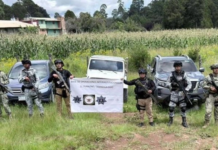
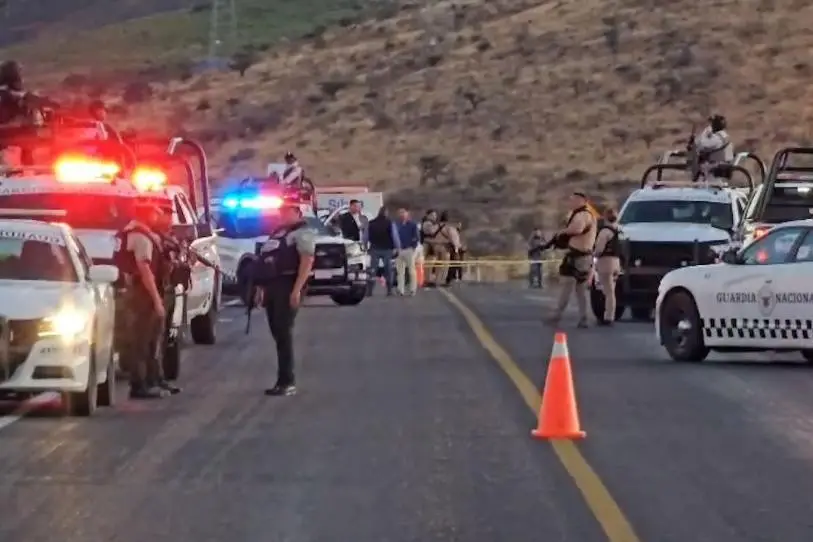
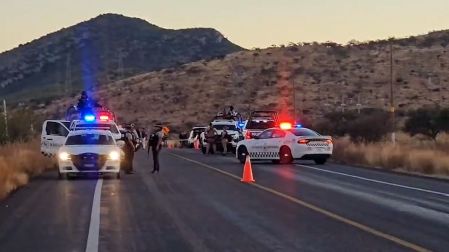
Clashes between criminal organizations represent another key factor in this perception. Armed confrontations in the border region with Sinaloa are the most prominent, with terrifying scenes reported by motorists on the Durango-Mazatlán highway, where abandoned bodies have been found.
These conflicts have also affected public works projects, such as the delay in the construction of the Tayoltita-San Ignacio highway, which connects Durango with Sinaloa, according to Francisco Salazar, president of the Mexican Chamber of the Construction Industry in Durango: “Yes, the armed conflict continues in that area… there’s no estimate yet, but this project is one of the most important undertaken in recent years due to its connectivity and cost.”
A case that deeply impacted public opinion occurred on January 6, 2026: during an armed confrontation between criminals and members of the National Guard, a stray bullet struck Gabriel, a 12-year-old boy, who died before reaching the hospital. “It’s not safe, there’s so much evil, evil walked… it took my son,” lamented Brenda Herrera, Gabriel Alonso’s mother.
For this reason, his mother demanded urgent measures from the authorities to guarantee greater security for the population: “Let my son’s death not be in vain, let him be honored, let justice be done,” the woman from Durango stated.
Organizations such as the Citizen Observatory have warned that this increase in the perception of insecurity could be linked to a greater number of victims of common crimes in previous periods (2023-2024), as well as to the widespread dissemination of extortion and robbery cases, which generate collective fear, even though the 2025 statistics show reductions in several areas.
State authorities insist that Durango remains outside the group of states with high crime rates and attribute the positive results in homicides to institutional coordination and the security strategy implemented by the state government.
However, they acknowledge the need to strengthen actions against extortion and low-impact crimes that erode public trust.
Source: excelsior