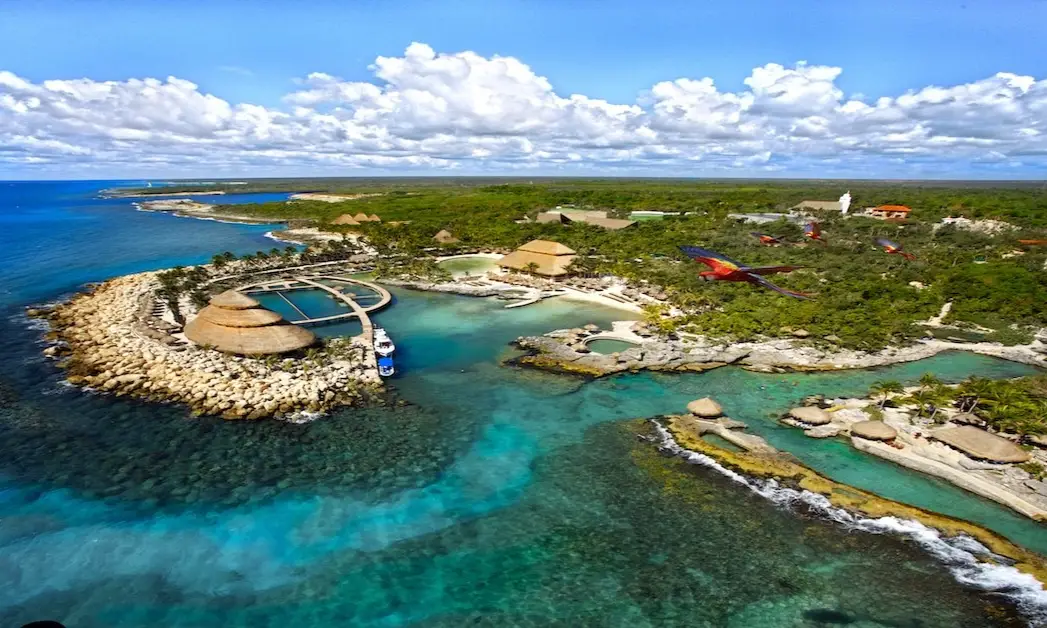

The Yucatán Peninsula faces a new threat. The cruise line Royal Caribbean intends to bring to fruition two mega-tourism projects: Royal Beach Club, planned for Cozumel, and Perfect Day, projected for Mahahual, on the southern coast of Quintana Roo. Both projects are part of an extractive, intensive, and exclusionary cruise tourism model that transforms living territories into private parks for rapid consumption.
What at first glance appears to be “development” and an “economic opportunity” actually poses profound environmental and social risks to one of the most fragile and valuable ecological regions in the country: the Yucatán Peninsula and the Mayan Jungle.
Mahahual is a coastal community of fewer than 3,000 inhabitants. Despite this, Royal Caribbean intends for its Perfect Day mega-project to receive more than 21,000 tourists daily. This figure alone reveals an alarming disproportion between the territory’s capacity and the scale of the project.
In Cozumel, an island with a long history of cruise tourism, the Royal Beach Club project perpetuates a model that has proven to be environmentally unsustainable and socially unequal, concentrating profits in the hands of large corporations while leaving local communities to bear the environmental costs.
The massive and concentrated influx of visitors places extreme pressure on basic services, local infrastructure, the lives of local people, and biodiversity.
This type of mass tourism generates severe impacts:
Overexploitation of water resources
Generation of waste that is impossible to manage locally
Deterioration of reefs, beaches, and mangroves
Threat to the existence of local wildlife
Privatization of access to the sea
Displacement of local economies
These megaprojects are planned for a region crucial to the country’s environmental balance: the Mayan Jungle, connected to the Mesoamerican Reef System, one of the most biodiverse and vulnerable ecosystems on the planet.
Greenpeace Mexico and various civil society environmental organizations continue to demand that SEMARNAT (the Mexican Ministry of Environment and Natural Resources) deny any environmental permit that puts territories, ecosystems, and the rights of local communities at risk.
Thanks to the actions of local organizations within the framework of an Amparo (a type of legal protection) lawsuit they filed, a District Court in Quintana Roo decided to suspend the Mahahual Urban Development Program until it issues the corresponding ruling. This measure halts, for now, the reconfiguration of land use on more than 107 hectares that are slated for the construction of the Perfect Day mega-park. Profepa (the Federal Attorney for Environmental Protection) also conducted an inspection of the “Perfect Day Mahahual” project, where it found illegal construction taking place on an area of more than 17,000 square meters, leading to the temporary total closure of the project’s works and activities.
Furthermore, the organizations insist on the need to consult with local communities, recognizing their own visions of development and their right to decide on the future of their territory.
We still have time to prevent irreversible environmental damage. The Mayan Jungle is not an amusement park. It is a living, complex system, fundamental to the country’s environmental balance.
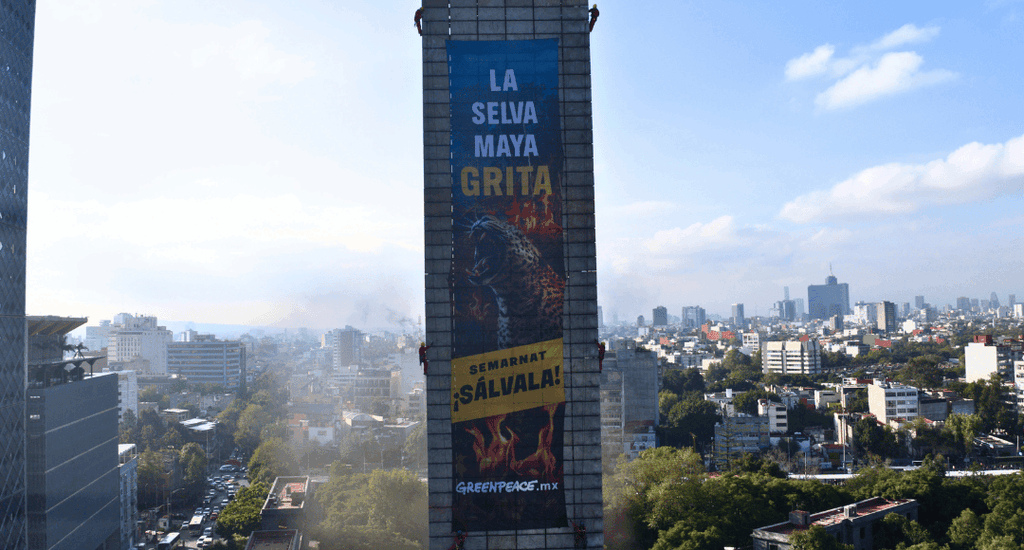
Source: greenpeace