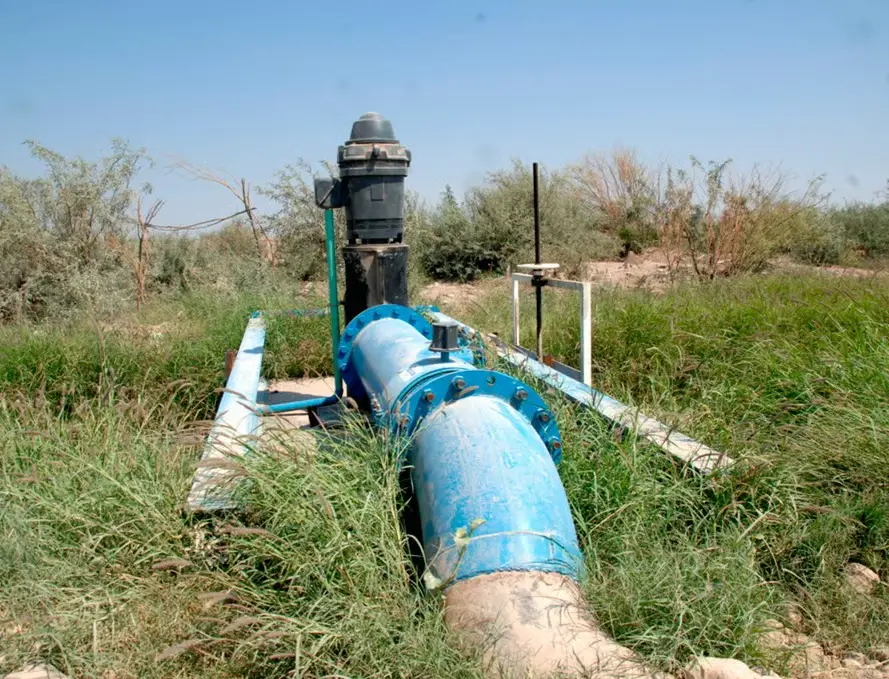

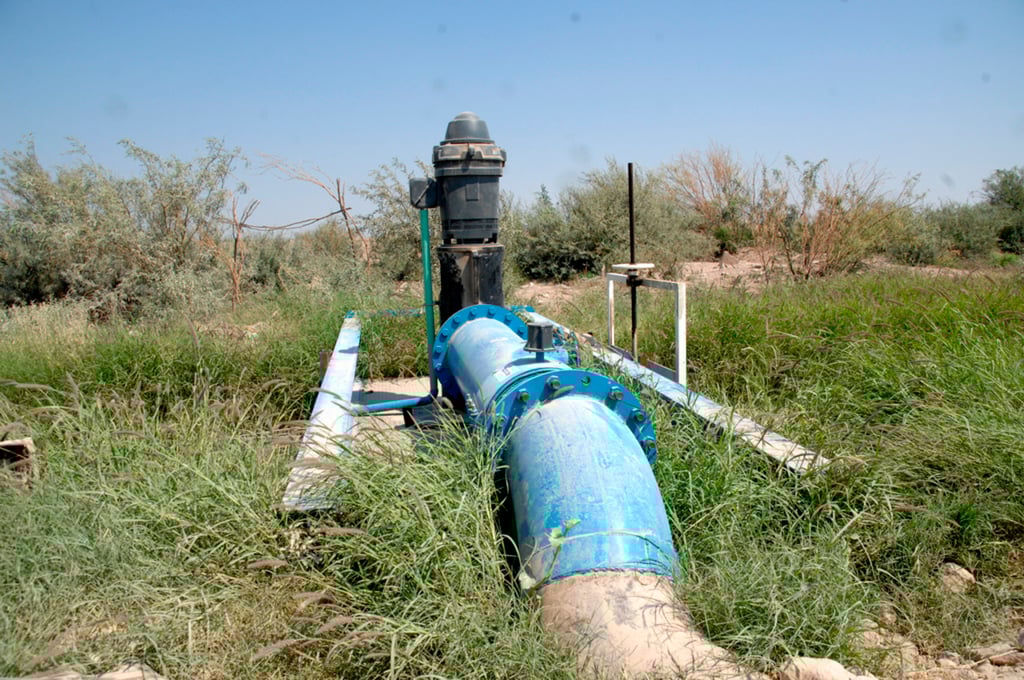
The National Water Commission (Conagua) in Durango warned that producers operating clandestine agricultural wells could face fines of up to five million pesos, according to the new national water legislation; two cases have already been detected.
Roberto Delgado Gallegos, director of Conagua in the state, reported that the 2026 well inspection program has begun, aiming to double the number of verification visits compared to previous years.
He explained that the verification teams will now be equipped with GPS devices and have greater resources, with the goal of expanding coverage throughout the state and detecting wells operating illegally.
Given this situation, the official urged agricultural and livestock producers to avoid illegal practices and regularize their situation in order to prevent penalties under the new regulations.
He recalled that, according to the previous legislation, when an illegal well was detected, it was immediately shut down and a fine of up to 300,000 pesos was levied.
However, with the new law, the penalties have been increased: in addition to the well’s closure, fines can reach up to five million pesos and include prison sentences of up to five years.
Delgado Gallegos indicated that the inspection program has just begun and two wells operating clandestinely have already been detected, which are currently undergoing administrative review.
“We already have some cases under review; the first two wells were detected and the administrative procedure was initiated. We are just starting the inspection program, which will be random and includes around 150 inspections,” explained the Director of Conagua in Durango.
It is expected that the administrative analysis of the first two detected cases will be completed within the next two weeks.
Finally, the official asked farmers to contact Conagua before attempting to open an illegal well; if there is water available in the aquifer, permission will be granted.
Source: elsiglodedurango