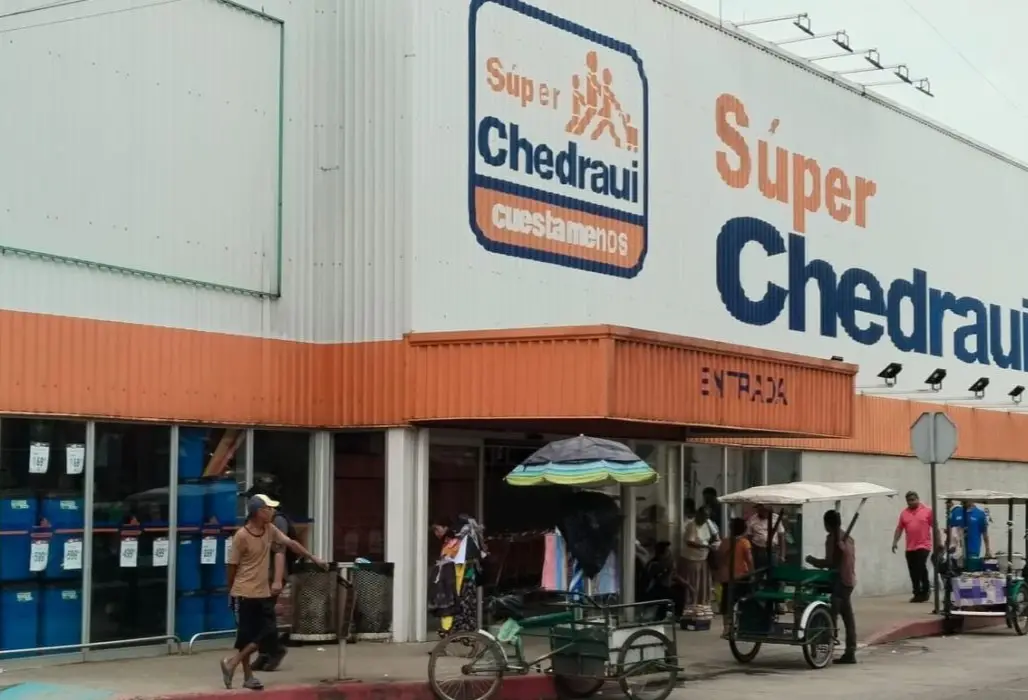

The Supreme Court of Justice of the Nation denied the injunction sought by the company against a resolution issued by the then Federal Economic Competition Commission, now known as the National Antitrust Commission. The decision upholds the sanctions imposed by the regulatory authority after detecting anticompetitive practices in the production and sale of tortillas in the municipality of Huixtla, Chiapas.
The ruling was unanimous, based on a draft opinion presented by Justice Sara Irene Herrerías Guerra, who argued that the regulatory body’s resolution complies with the law and does not violate constitutional guarantees.
According to the Justice, the applied legislation does not contravene principles such as the presumption of innocence or the prohibition of disproportionate sanctions, thus confirming the constitutionality of the measures adopted by the competition authority.
The case originated from a complaint filed in 2019 by the company Nueva Walmart de México with the Federal Economic Competition Commission. The investigation concluded that collusion existed between corn distributors and producers with the Chedraui store located in Huixtla, which affected competitive conditions in the local market.
During the discussion of the draft ruling, Justices Hugo Aguilar Ortiz and Giovanni Azael Figueroa Mejía, as well as Justices Loretta Ortiz Ahlf and Lenia Batres, supported the proposal, although they expressed reservations about some sections, considering that the collegiate court should delve deeper into certain elements of the case.
In another ruling issued on March 12, the Supreme Court determined that residents of irregular settlements in Ciudad Juárez have an immediate right to receive potable water, regardless of their legal status or possession of documents proving their address.
The ruling, stemming from Amparo en Revisión 544/2025, orders the Juárez Municipal Water and Sanitation Board to guarantee the supply of water, as well as to develop the necessary infrastructure for its distribution and storage.
The Court established that applicants need only declare, under oath, that they reside in the area to demonstrate their legitimate interest. This aims to prevent people living in poverty or marginalized conditions from being excluded from access to basic services due to a lack of formal documentation.
On the other hand, the Federal Consumer Protection Agency (Profeco) clarified on March 9 that it does not have the authority to impose fines on those who sell tortillas in coolers or transport them on motorcycles.
The agency issued the statement after an official from the Gulf-North Zone Consumer Protection Office, based in Tampico, disseminated incorrect information about alleged fines of up to four million pesos for this practice.
In its statement, Profeco emphasized that its scope of action is limited to monitoring prices and compliance with commercial regulations in the sale of masa and tortillas, while matters related to health, hygiene, or food handling fall under the jurisdiction of other authorities.

Source: chiapas.quadratin