
Winter is officially coming to an end in northern Mexico. The wait for residents of Monterrey will conclude in a matter of hours: spring 2026 will begin this Friday, March 20, at 8:46 a.m. (Central Time), according to the astronomical event of the equinox, which marks the end of the winter season in the Northern Hemisphere.
Although for many the change will be imperceptible on the clock, this exact moment represents a phenomenon of cosmic equilibrium: the Sun will be positioned directly over the equator, causing the length of day and night to be practically equal across the planet. For the inhabitants of Nuevo León, this will translate into a progressive increase in daylight hours and a gradual change in the climatic conditions that will define the coming months.
With the arrival of spring, the state is preparing for a significant rise in temperature. Evenings will begin to feel warmer, a distinctive characteristic of the northern region. However, this temperature increase not only brings clear skies but also marks the beginning of the high-risk wildfire season.
The combination of dry vegetation from the winter, the increased heat, and the wind gusts typical of this time of year make Nuevo León a vulnerable area. State authorities typically issue recommendations during this period to avoid open burning and to use fire responsibly in rural and peri-urban areas, especially in the Sierra Madre Oriental and its foothills.
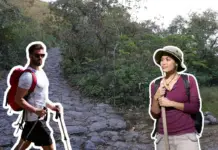
Beyond the thermometer, the arrival of spring has strong cultural and touristic roots in Nuevo León. The state’s archaeological sites, especially Boca de Potrerillos in the municipality of Mina, become gathering places for those seeking to welcome the new season.
This site, famous for housing thousands of petroglyphs dating back up to 8,000 years, usually sees a high influx of visitors in the days surrounding the equinox. The popular belief that these ancestral spaces can “recharge one’s energy” attracts hundreds of people who take advantage of the weekend to explore and connect with history amidst the semi-desert landscape.
Although spring will bring warmer evenings, weather authorities recommend that the public stay tuned to local forecasts. Following winter, temperatures can fluctuate significantly during the first few weeks of spring, with cool mornings and considerable temperature variations between day and night.

Source: mvsnoticias