Coastal homes are often associated with increased property value, prime views, and high demand in the real estate market. However, this proximity to the ocean also presents a structural challenge: accelerated material deterioration and higher maintenance costs over time.
Unlike homes in urban or inland areas, beachfront properties are constantly exposed to harsh conditions such as high humidity, salinity in the air, sea spray, and waves.
This combination generates a continuous wear and tear process.
“On the coast, the problem lies in prolonged exposure to adverse conditions, not in a single event,” explained Kyle Tourjé, executive vice president of Alpha Structural.
The deterioration isn’t always immediately visible, but over time it can compromise the building’s structure. Among the most frequent problems are:
Corrosion of the steel within the concrete, causing cracks and spalling
Deterioration of wooden foundations, especially in older buildings
Loss of support in seawalls or structures near the coast due to erosion
Damage from constant moisture in walls, roofs, and finishes
“As the embedded steel corrodes over time, the concrete can crack and crumble. Unfortunately, we have also seen newly installed materials begin to deteriorate within a few years of installation, simply because they are not designed to withstand coastal or marine exposure,” Tourjé added.
In addition to the purchase price, homeowners should consider:
More frequent structural inspections
Ongoing preventative maintenance
Early replacement of materials
Potential investments in reinforcement or rehabilitation
In markets like California, millions of homes are located just a few miles from the coast, reflecting the magnitude of this challenge for the real estate sector.
To prevent further damage, it is crucial to detect early signs of deterioration. Some warning signs include:
Cracks or spalling in concrete
Visible corrosion on metal elements
Wear and tear on wooden structures
Areas of ground or foundation with loss of support
Early detection can reduce costs and prevent major interventions.
Investing in waterfront properties: keys to successful purchasing
Key materials for coastal construction
Reinforced concrete with corrosion protection
Specialized stainless steel for saline environments
Marine-grade treated lumber
Aluminum and glass systems for exteriors
Reinforced masonry with adequate insulation in flood-prone areas
In areas at risk of flooding, certified materials that can withstand prolonged contact with water should also be used.
More complex construction and maintenance
Construction in coastal areas also involves greater technical challenges. Factors such as tides, soil erosion, and difficult access can increase both construction and repair costs.
This necessitates more precise project planning and the consideration of more robust engineering solutions.
Towards More Resilient Coastal Housing
For experts, the growth of coastal areas and rising sea levels in various regions reinforce the need to build with resilience in mind.
In this context, living by the sea remains an attractive investment, but it requires a long-term vision. The key lies not only in the location, but also in the home’s ability to withstand an environment that, while privileged, is also one of the most demanding for construction.
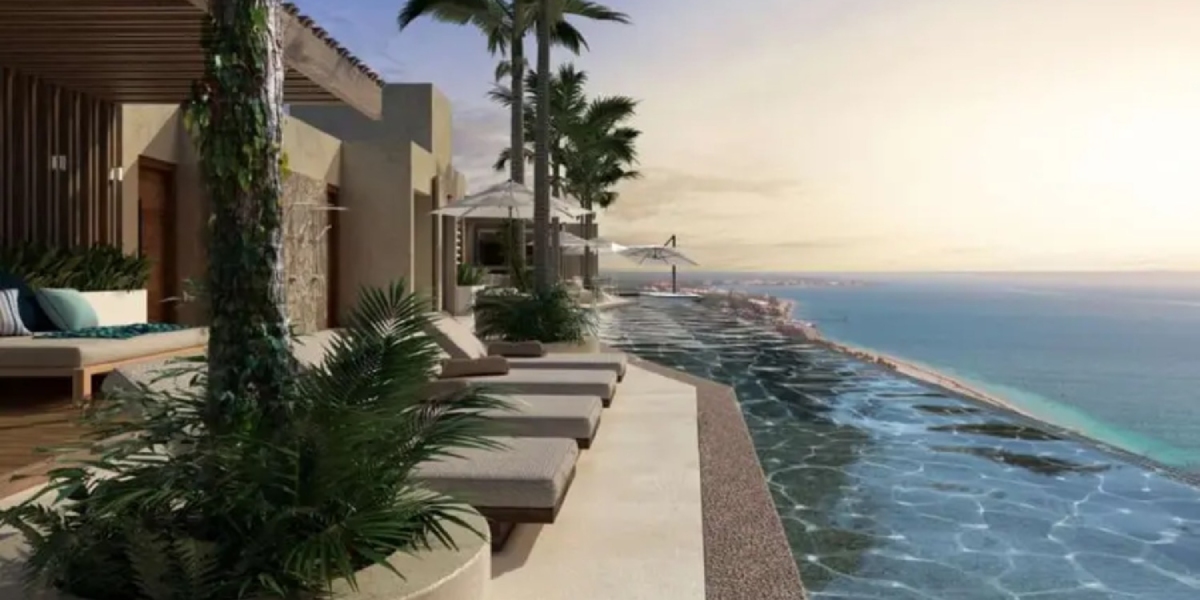
Source: realestatemarket