
In an effort to highlight the unparalleled cultural heritage of the peninsula, Diario de Yucatán unveiled the multiplatform work “100 joyas del arte sacro de la península de Yucatán” (100 Jewels of Sacred Art in the Yucatán Peninsula) on May 31, 2025, exactly one year ago.
This ambitious project, which graced the centennial of the founding of this publishing house, not only documents but also pays tribute to the artistic expressions that emerge from the fusion of faith and culture in this southeastern region of Mexico.
The compendium, which gathers the most significant artistic, architectural, and religious expressions of Yucatán, Campeche, and Quintana Roo, comprises a collector’s book available in both luxury and standard versions (in both Spanish and English). Additionally, it includes a tourist Guide with 14 routes designed to invite visitors and locals to explore the cultural heritage and living history of the region, as well as a digital format on the portal yucatan.com.mx, which offers texts, images, videos, and audios that uncover the hidden details of the hundred sacred jewels.
The initiative, which aims to raise awareness about the history, culture, and heavenly heritage of the Peninsula, has already been presented at a dozen events across various venues and locations, becoming a cultural manifestation that attracts lovers of art, history, and spirituality.
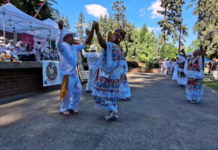
During these presentations, the public has been able to submerge themselves in a universe where the sacred fuses with aesthetics, turning the everyday into a visual spectacle that transcends time. On some of these occasions, the events have been accompanied by representative exhibitions that reflect the diversity and richness of peninsular sacred art.
On October 24, 2025, during the closing of the National Assembly of Directors of the Episcopal Dimension for the Cultural Goods of the Church, the work was presented to a select audience at the Sacred Art Restoration Workshop of the Archdiocese of Yucatán. With the participation of 100 specialists from different states of the country, the bonds between faith and art were reaffirmed, highlighting how sacred objects are true reflections of religiosity and history.
On October 26, Diario de Yucatán and its digital platform, yucatan.com.mx, launched a special supplement on the jewels, inviting the community to discover and value the cultural wealth of the region. This publication not only informs but also seeks to educate and inspire, providing a journey that combines the visual with the historical.
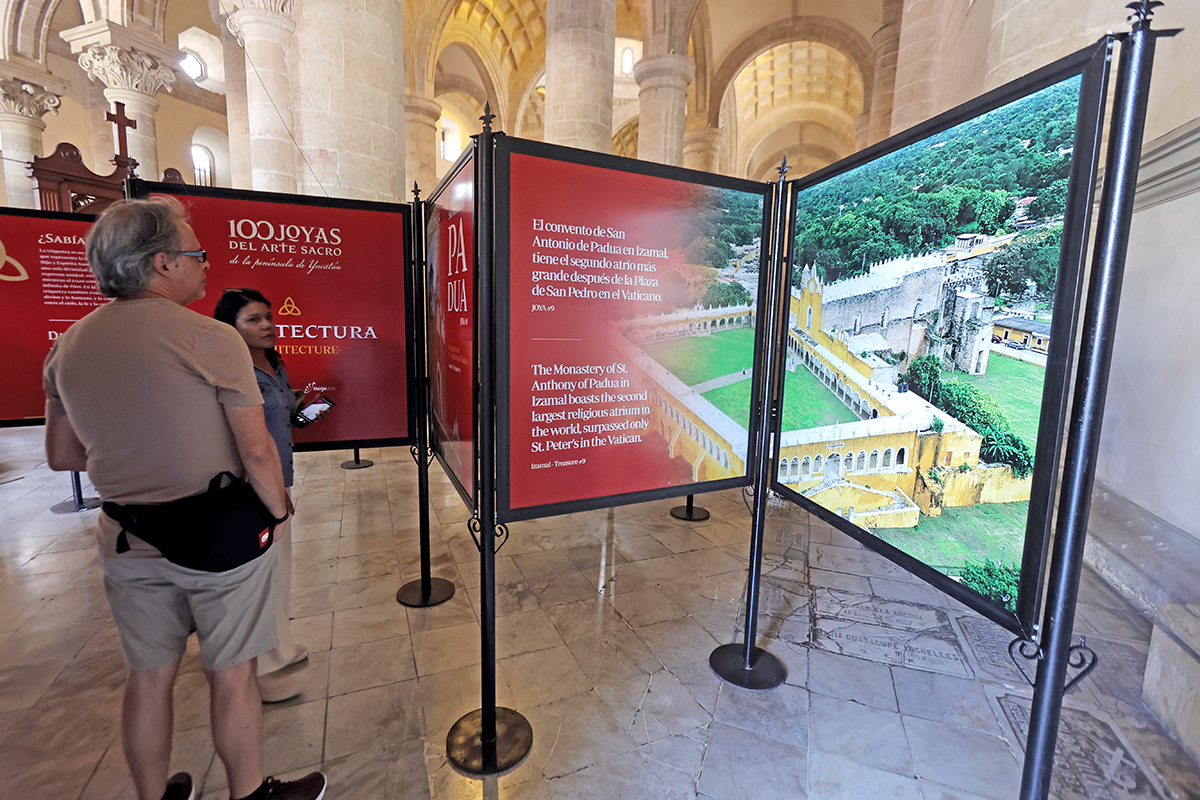
On December 17, the traveling exhibition “100 joyas del arte sacro de la península de Yucatán” was inaugurated at the Mérida International Airport, marking the beginning of a tour that will take this exhibition to various points in the region and beyond. Composed of 14 panels, the display includes 28 images from the book, along with a human-scale model designed for public appreciation.
On January 8, 2026, during the Mérida Fest, an event was held at the Church of El Jesús (Tercera Orden) which included a panel discussion featuring doctors Ella Fanny Quintal Avilés, Cuauhtémoc Fernando Garcés Fierros, and Mario Humberto Ruz Sosa; archaeologist Luis Alfonso Millet Cámara, and journalist Carlos Fernando Cámara Gutiérrez, the editorial coordinator of the project.
In this dialogue hosted by the City Council of Mérida—where Architect Luis Ojeda Godoy and Monsignor Pedro Mena Díaz, auxiliary bishop of Yucatán, both contributors to this work, also spoke—the participants not only enriched the understanding of the 100 jewels but also connected the community with their heritage through music and the spoken word.
The presentations continued at iconic venues, such as the Sacred Art Gallery of the Archdiocese of Yucatán at the Conkal convent, where on March 13 the work was unveiled during the inauguration of the 2026 International Festival of Sacred Music and Art.
One of the peak moments of the project took place on March 15 at the Yucatán International Reading Fair (Filey). The presentation, held in the Uxmal 4 room of the Yucatán Siglo XXI Convention Center, was led by anthropologist Indalecio Cardeña Vázquez, accompanied by Architect Héctor Durán Castillo and Anthropology expert Ángel Gutiérrez Romero. Journalist Mario Durán Yabur was also part of the event, representing the team that contributed to the research and writing of this significant work, editorially coordinated by Cámara Gutiérrez.
The following day, March 16, at the Autonomous University of Yucatán bookstore space within the Filey, the project’s tourist Guide was launched. This handbook, written by Luis Uriel Zapata Noh, the newspaper’s Information Coordinator, offers 14 specially designed routes with two fundamental objectives: to provide local and foreign visitors with a structured plan to explore the diverse expressions of sacred art in Yucatán, Campeche, and Quintana Roo, and to encourage the discovery of little-known corners that are not part of traditional tours in the region. The traveling exhibition of the 100 peninsular religious treasures was also displayed during this 14th edition of the Filey.
The hundred sacred jewels of the Peninsula reached the Mérida English Library on March 25. Library users and members of the expatriate community, located on 53rd Street between 66th and 68th in the Santiago neighborhood of Mérida, learned about the comprehensive project through the English edition of the book, titled “100 Treasures of Religious Art in the Yucatán Peninsula,” and the tourist Guide, an event that featured the participation of David John Phillips, the English translator of the foundational text.
The traveling exhibition “100 joyas del arte sacro de la península de Yucatán” opened on April 7 at the Holy Cathedral Church of Mérida, offering a glimpse into the historical, cultural, and religious heritage of the region through striking, large-format photographs. The display remained on the south side of Yucatán’s primary Catholic temple until April 28.
Beyond the borders of Yucatán, the project presentation took place on April 16 at the Mayan Museum of Cancún, sponsored by the Federal Secretariat of Culture in coordination with the INAH Quintana Roo Center. It featured the participation of Dr. Lorena Careaga Viliesid, a member of the Mexican Academy of History, who read a text by Dr. Mario Humberto Sosa Ruz. Architects Luis Ojeda Godoy and Andrea Pérez Navarrete, researchers from the INAH Yucatán and Quintana Roo centers respectively, also participated, along with historian Cámara Gutiérrez as the project’s editorial coordinator.
Over the months, “100 joyas del arte sacro de la península de Yucatán” has proven to be more than just a book; it has become a cultural event that transcends borders. Its recent inclusion in the renowned biannual publication of national and international significance, Estudios de Cultura Maya, reaffirms its academic relevance and the depth of its content. In the Review section of Volume LXVII, a narrative by Dr. Ruz Sosa titled “La belleza de la fe, la fe en la belleza: joyas del arte sacro peninsular” (The Beauty of Faith, Faith in Beauty: Jewels of Peninsular Sacred Art) is highlighted.
To celebrate the 101st anniversary of Diario de Yucatán, the exhibition will be displayed in the central courtyard of its iconic Neo-Mayan architecture building, where the echoes of the legacy of Don Carlos R. Menéndez González endure, reminding us that art and history continue to weave the vibrant tapestry of peninsular culture.
As expressed by archaeologist Millet Cámara, this multiplatform work is “the 101st jewel of Diario de Yucatán,” a treasure that shines on the anniversary of a century and one more year of “The newspaper of peninsular life.”
Source: yucatan