
For decades, Quintana Roo was synonymous with youth. The tourism boom in destinations such as Cancún, Playa del Carmen, and the Riviera Maya attracted thousands of people of working age from other states across the country, making it one of the youngest states in Mexico. However, that picture is beginning to change.
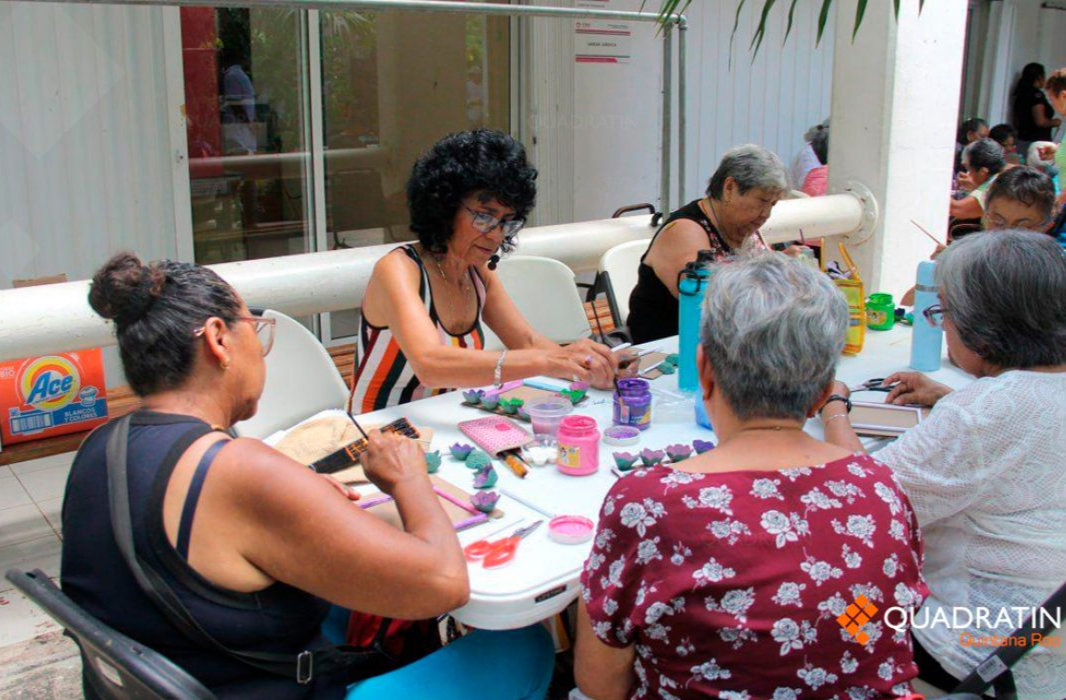
Today, Quintana Roo is undergoing a process of demographic aging that, although occurring at a different pace than in other states, is already beginning to transform its needs in terms of healthcare, mobility, caregiving, and social protection. According to the 2020 Population and Housing Census conducted by INEGI, Quintana Roo is home to 180,975 people aged 60 and older, representing 9.7 percent of the state’s population. Although this proportion remains among the lowest in the country, the growth of this age group reflects a transformation in the population structure.
Migration Changed the Demographic History
The growth of Quintana Roo has been driven by migration. Unlike other states where population growth depends mainly on births, much of the state’s demographic development has been fueled by people arriving from different parts of the country to work in tourism, construction, commerce, and services.
According to the 2020 Sociodemographic Overview of Quintana Roo, 12.8 percent of the population aged five years and older lived in another state or country five years earlier, one of the highest proportions in Mexico. Among those who changed their place of residence, 53.2 percent did so for work-related reasons, 34 percent for family reasons, 13.2 percent to study, and 4 percent due to insecurity or violence.
This continuous influx of young people allowed Quintana Roo to maintain one of the lowest median ages in Mexico for decades. However, those who arrived during the 1980s, 1990s, and early 2000s are now also becoming part of the older adult population.
A Population That Is No Longer So Young
Although Quintana Roo remains one of the youngest states in the country, the indicators show a gradual shift. In 2020, the state recorded a population of 1,857,985 inhabitants, of whom 50.4 percent were men and 49.6 percent were women. The median age was 28 years, meaning that half of the population was that age or younger.
At the same time, fertility continues to decline. The average number of live-born children per woman aged 15 to 49 was 1.4, one of the lowest rates in the country, reflecting a demographic transition characterized by fewer births and longer life expectancy.
Older Adults Are Still Few, but Their Numbers Are Growing Rapidly
The 2020 Population and Housing Census counted 180,975 people aged 60 and older in Quintana Roo, representing 9.7 percent of the state’s population. Just two decades ago, this group accounted for a considerably smaller share.
Although the state remains one of the youngest in the country, the sustained increase in the older adult population confirms that demographic aging is already part of Quintana Roo’s reality and that its share will continue to grow as the generations that drove the state’s tourism development continue to age.
Not All Municipalities Are Aging at the Same Rate
Population dynamics vary across the state. Tourism-oriented municipalities such as Benito Juárez, Solidaridad, and Puerto Morelos maintain a relatively young population structure due to the constant arrival of working-age residents.
In contrast, municipalities such as José María Morelos, Felipe Carrillo Puerto, and Lázaro Cárdenas have a higher proportion of older adults, creating different challenges related to healthcare, mobility, and long-term care.
Living Longer Also Brings New Challenges
The increase in the older adult population represents one of the greatest demographic achievements associated with longer life expectancy, but it also creates new needs.
The Mexican Health and Aging Study (ENASEM) indicates that among people aged 50 and older, chronic diseases such as hypertension, diabetes, and cardiovascular conditions are common, along with functional limitations that increase the demand for long-term care.
In Quintana Roo, as in the rest of the country, the growth of this population group will require strengthening geriatric care, expanding healthcare services, improving urban accessibility, and developing public policies focused on caring for older adults.
A New Challenge for a State Built by Migrants
INEGI figures show that Quintana Roo remains a relatively young state, but not as young as it was two decades ago. The state that grew thanks to the constant arrival of workers from across the country is now seeing that same generation grow older.
The challenge is no longer limited to managing population growth driven by migration, but also to preparing infrastructure, services, and programs for a population that will live longer and require new forms of care. This shift marks the beginning of a new demographic stage for Quintana Roo.

Source: quintanaroo.quadratin