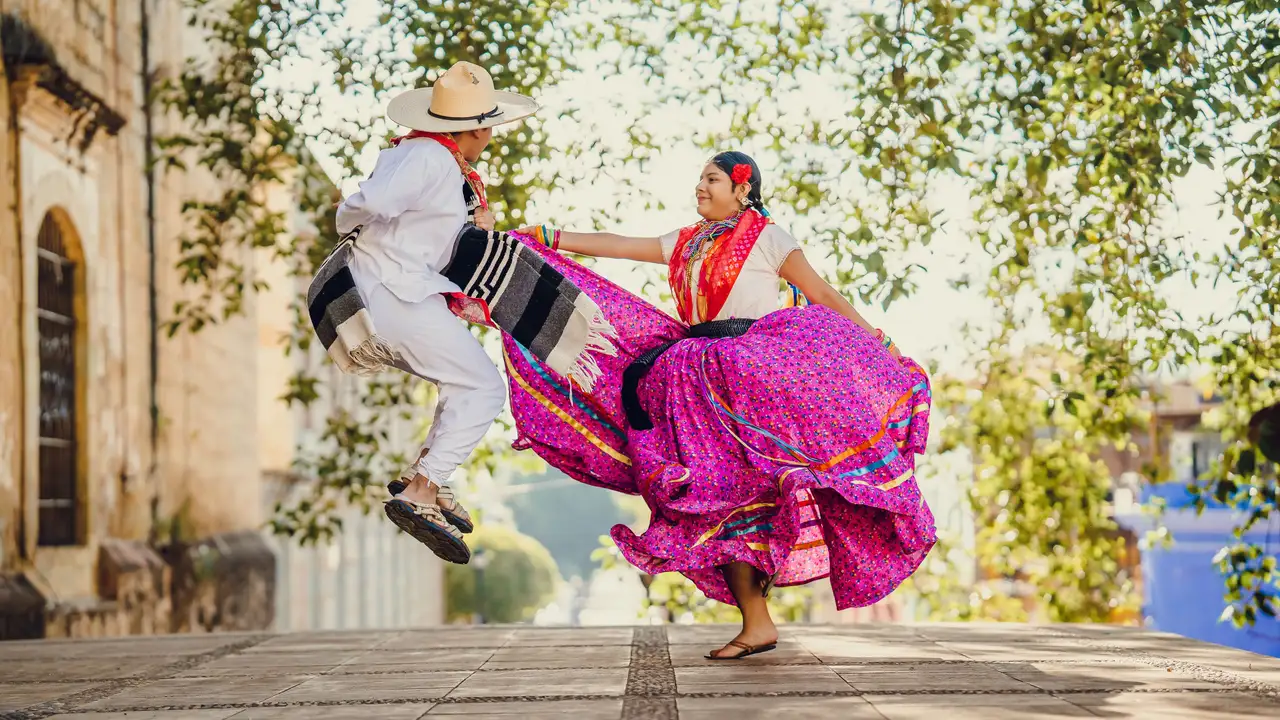

Oaxaca is located just over 500 kilometers southeast of Mexico City. Its name comes from huaxyácac, a Nahuatl word meaning “at the top of the huajes.” The Spanish adapted its sound to the spelling of the time and called it Oaxaca. For centuries, the city was known as Antequera de Oaxaca, because the Spanish felt that the territory reminded them of Antequera, in Málaga. In the 19th century, it came to be known as Oaxaca de Juárez, in honor of Benito Juárez, president of Mexico who was born in the mountains of Oaxaca.
The Light of Oaxaca and a City Laid Out by String
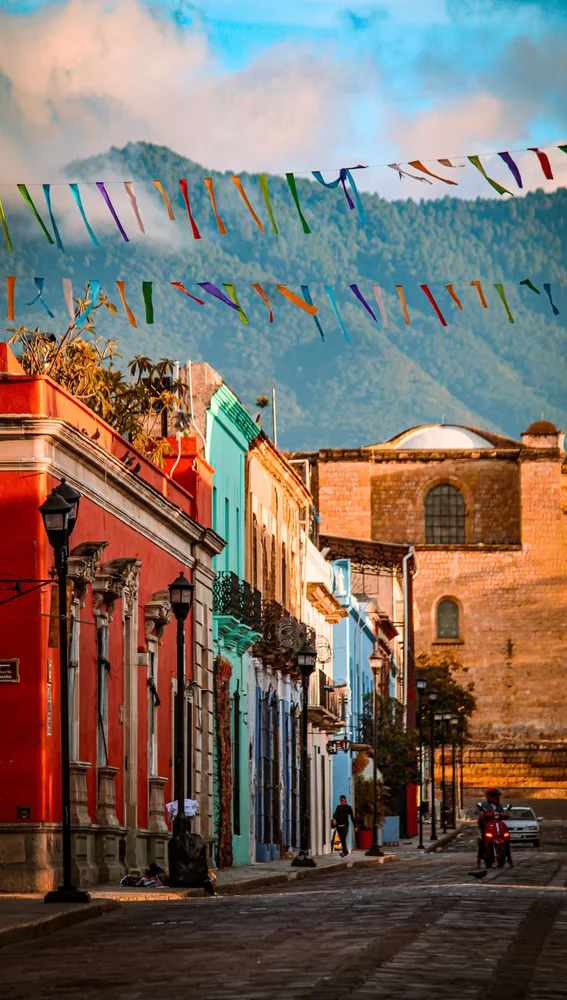
Mariano López explains that Alonso García Bravo was responsible for designing an orderly city, ensuring that a large portion of the buildings received sunlight throughout the year. “That is the secret of the light of Oaxaca, which continues to attract painters, artists, and travelers today.” The center was organized around the zócalo, with the green quarry-stone cathedral on one side and, across from it, the building that is now the seat of the state governor.
Markets, Languages, and Natural Colors
During his tour of Oaxaca, López was accompanied by Ramón Valldiosera, a bullfighter, painter, fashion designer, and creator of the so-called Mexican pink. Before entering the markets, he warned him: “You are going to hear the languages Cortés heard.” Oaxaca is the state with the greatest Indigenous diversity in Mexico, with sixteen ethnic groups that speak more than 22 languages. The markets also bring together some of the most characteristic colors of traditional textiles: the red of cochineal, the blue of indigo, the black of huizache, the yellow of rock moss, and the purple obtained from a type of marine snail.
Alebrijes and Chapulines, Two Symbols of Oaxaca
Among the stalls are alebrijes, figures of imaginary animals that in Oaxaca began to be carved from copalillo wood, combining features from different animals and allowing each family to contribute its own colors. There are also chapulines, small grasshoppers that are collected, cleaned, and roasted before being seasoned with lime, salt, ground garlic, and pasilla chili. Mariano López describes them this way: “They are good, crunchy, and a little salty.” He also adds one of those beliefs that become part of the journey: “Those who try them eventually return to Oaxaca.”
The journey ends with music by Oaxacan singer Lila Downs and her song Tan Bonita, dedicated to a land described as: “Close to the Moon, next to the sea of dreams.”
Source: ondacero