
Mexican drug cartels are expanding their business beyond illegal drugs and making a profit from various activities. They have diversified into different sectors such as food production, fuel, internet service, extortion, fuel theft, vehicle theft, public transportation robbery, migrant smuggling, prostitution, and weapons trafficking.
In a small town in Michoacán, a criminal group forced residents to pay for high-cost internet services or face death threats. The residents made monthly extortion payments while also reporting the situation to authorities. After months of investigations, officials raided three properties, finding evidence such as antennas, internet repeater equipment, and connections.
Security analyst David Saucedo stated that drug cartels have diversified their operations since their inception. Many gangs started with other illegal activities before joining drug trafficking. The Sinaloa Cartel is involved in drug trafficking, extortion, fuel theft, weapons trafficking, migrant smuggling, and prostitution. CJNG directs the theft of fuel from pipelines, extorts agave and avocado farmers, migrants, and prison officials, and taxes migrant smugglers.
The cartels’ reach extends into various parts of Mexico’s economy, including food production, fuel, internet service, and more. They have also extended their criminal range to activities such as calling older Americans to offer timeshares in Mexico, leading to the loss of nearly $40 million, and cartel-backed smugglers reaping growing profits in the trafficking of migrants across the U.S.-Mexico border.
It’s clear that Mexican drug cartels are a threat to many aspects of society, going beyond illegal drugs and engaging in various criminal activities to make a profit. Their diversification into different sectors highlights their adaptability and ability to evolve and expand their operations.
Fuel theft is a lucrative activity for organized crime groups in Mexico, resulting in significant financial losses for Pemex and other companies. Cartels have developed sophisticated methods to steal fuel, including bribery, precision tapping of pipelines, and violence. Several cartels are involved in this illegal activity, such as the Santa Rosa de Lima Cartel, CJNG, and the Gulf Cartel.
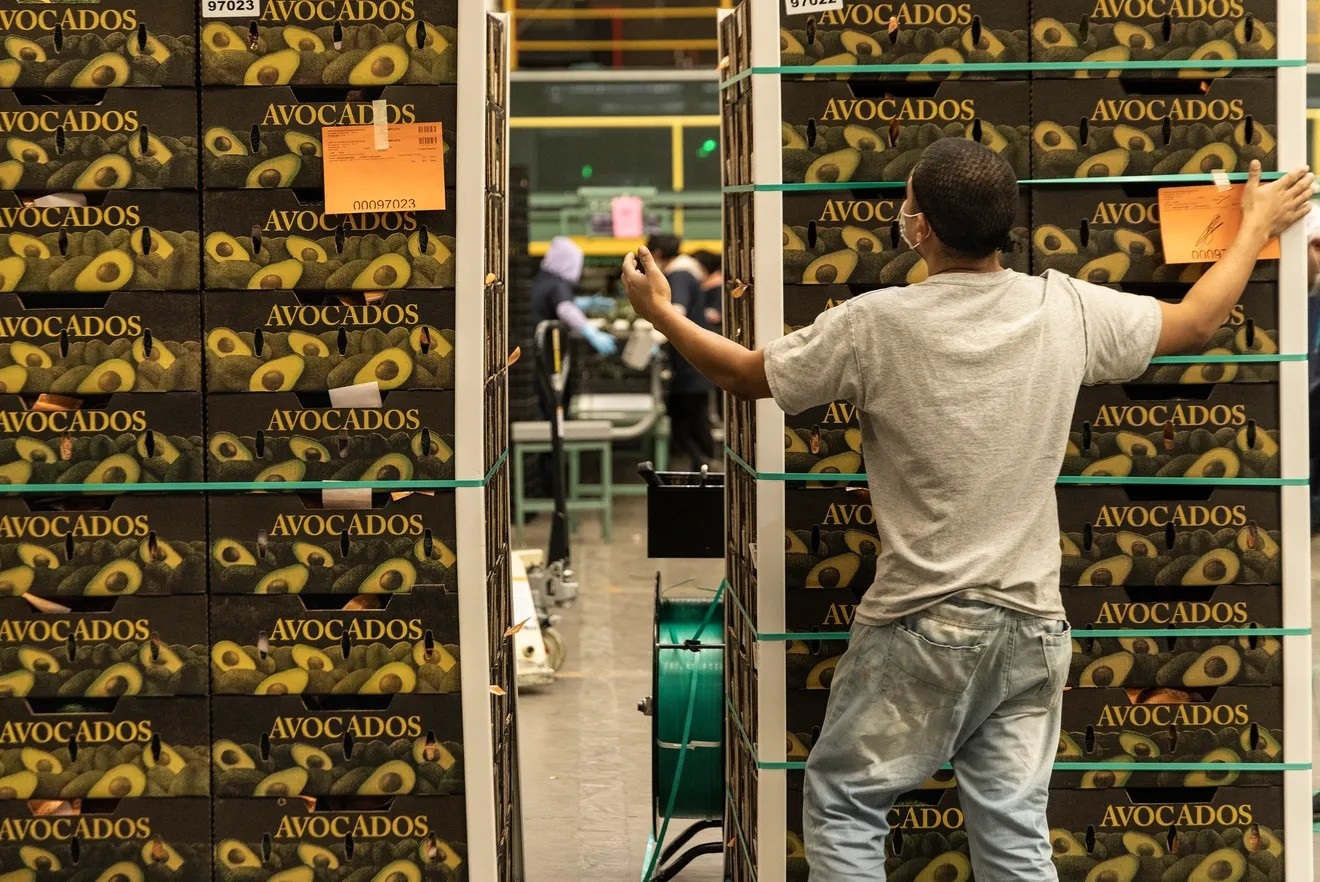
On the other hand, Mexico’s multibillion-dollar avocado industry has also been targeted by drug cartels seeking a share of the profits. Avocado growers in Michoacan face extortion from cartels demanding “protection fees” ranging from $135 to $500 per hectare monthly. The extortion process involves armed cartel members threatening farmers and demanding payments, which can lead to violence or property damage if refused.
The avocado industry has been affected by these threats, with the U.S. suspending imports in 2022 after a death threat was received by a U.S. official working in Uruapan. However, new safety measures implemented by Mexico’s government allowed for imports to resume. Despite this, locals claim that the situation has not changed much, and avocado growers continue to face threats from criminal organizations.
Overall, fuel theft and extortion of the avocado industry are significant issues in Mexico, with organized crime groups using violence and corruption to profit from these illegal activities. It is essential for authorities to take action to curb these crimes and ensure a safe environment for both industries.
In Mexico, tortillas are a staple food that is consumed by the average Mexican in large quantities. According to the Mexican Agriculture Ministry, an average person consumes around 70 kilograms of tortillas annually. However, the production and sale of tortillas have been affected by extortion from cartels.
The National Tortilla Council reported that between 14% to 15% of over 130,000 tortillerías in Mexico suffer from extortion. This has a direct impact on the prices paid by Mexicans for their daily staple food. The cartels demand weekly payments ranging from $135 to $190 from these businesses to allow them to operate.
This is not the only industry affected by extortion in Mexico. Chicken vendors and poultry shops have also been targeted by criminal groups. In 2023, an armed group kidnapped four workers at a chicken shop in Toluca, Mexico, demanding that they pay a fee of $2.50 per kilogram of chicken to avoid harm.
The Mexican state prosecutor’s office has received over 4,000 complaints about extortion in the poultry industry since 2023. The authorities have also reported that only one in four complaints is made in person, with the rest being indirect through phone calls, social media, and emails.
In addition to tortillas and chicken, other businesses such as restaurants, convenience stores, and jewelry shops are also affected by extortion. The “piso” fee, which is a payment demanded by cartels for protection, has been a major problem for merchants in Mexico City. The Chamber of Commerce reports that the first group of affected businesses are restaurants, followed by convenience stores, and then jewelry stores.
The lack of trust in the authorities and the fear of retaliation have made it difficult for business owners to report extortion incidents. Analysts believe that the total amount of extortion fees paid is much higher than reported due to many businesses not reporting these payments to the authorities.
Source: US Today