
Latino communities have a strong presence in the United States and Mexicans make up a large part of the population. Although, according to the latest Census data from that country, the majority lives in California, there are two areas of Texas that are not far behind.
The first is the metropolitan area made up of Houston-The Woodlands-Sugar Land and the second is Dallas-Fort Worth-Arlington. It is in this area that the true “little Mexico” had its heyday, a neighborhood that originally had Jewish roots and completely changed.
The Pew Research Center (PWC) reported in its latest data for 2021 how the Latino population is divided in the US. Mexicans are concentrated in the metropolitan areas made up of Los Angeles-Long Beach-Anaheim and Riverside-San Bernardino-Ontario, in California. However, Texas also has a significant number.
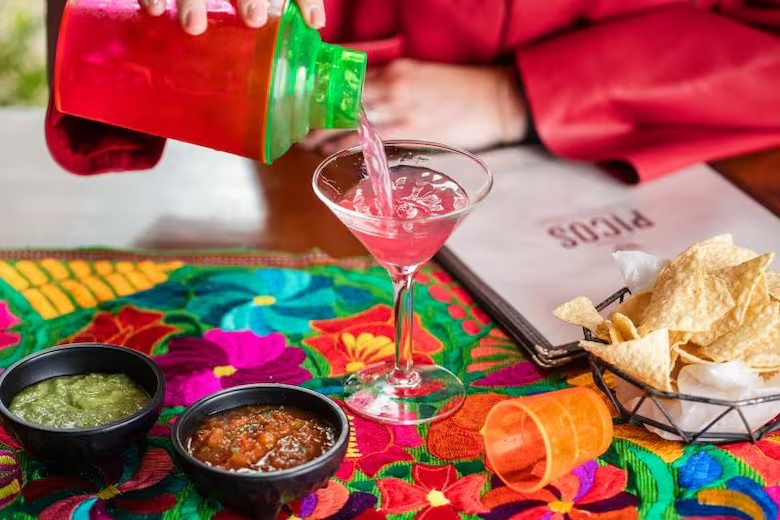
With a strong presence of Mexican culture, the Houston-The Woodlands-Sugar Land metropolitan area is the largest with 1.9 million people and is characterized by different events that include parades, folk dances, mariachi music and a wide variety of traditional foods, such as the Day of the Dead and the Cinco de Mayo festivities, which claim the cultural heritage of the border country.
Dallas-Fort Worth-Arlington, the true “Little Mexico” in Texas
On the other hand, 1.8 million Mexicans live in the Dallas-Fort Worth-Arlington metropolitan area. It is precisely in Dallas where Little Mexico originated. According to the Texas State Historian Association, this neighborhood was located north of the city center, with boundaries of Oak Lawn Avenue to the north and McKinney Avenue to the south.
According to its history, it was originally a settlement of Jewish immigrants in the late 19th century, but everything changed after the start of the Mexican Revolution in 1910. This community became more than just a neighborhood. Due to the laws of the time, it even had its own schools, churches, and shops, with a population of 10,000. There, the first businesses with these roots saw the light of day, and some, like El Café Martínez, evolved. This, for example, became the El Fénix chain, which is still in business today.
However, residents also faced strong discrimination. Children had to go to specific schools, where they were taught to assimilate American culture. Despite this rich history and the fact that the neighborhood prospered until the 1960s, its heyday ended between 1966 and 1968. The Dallas North Tollway divided Little Mexico in two and a strong commercial development began.
Finally, with the zoning laws between 1970 and 1980, a large part of the population began its exile. Thus, Little Mexico gave in to gentrification. However, its history is proof of the large Latino community that Texas has.
Little Texas today
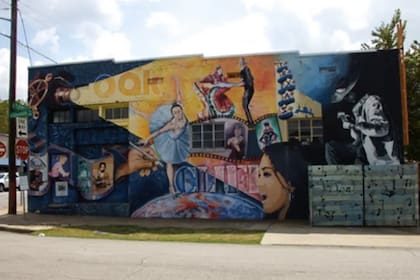
Not all migrants left and many of them still make up the population that is distributed across the two metropolitan areas of Texas. Today, Oak Cliff is one of the most characteristic neighborhoods of the community in Dallas, where the restaurants “El Ranchito” and “La Calle Doce” are located and where traditional grocery stores and butcher shops abound, as well as bakeries with typical breads such as conchas and bolillos
The Pleasant Grove neighborhood, also in Dallas, is also distinguished by its street food culture, with various stands and food trucks selling tacos, corn on the cob, and other typical foods. The Fiesta Mart supermarket is located there and its streets and stores are usually decorated with bright colors and Mexican themes. When it comes to shopping, the West Dallas neighborhood has several options: from its famous flea market, where you can find incredible crafts, to the shops selling traditional clothing, hats and other items and accessories on its streets.
Source: lanacion