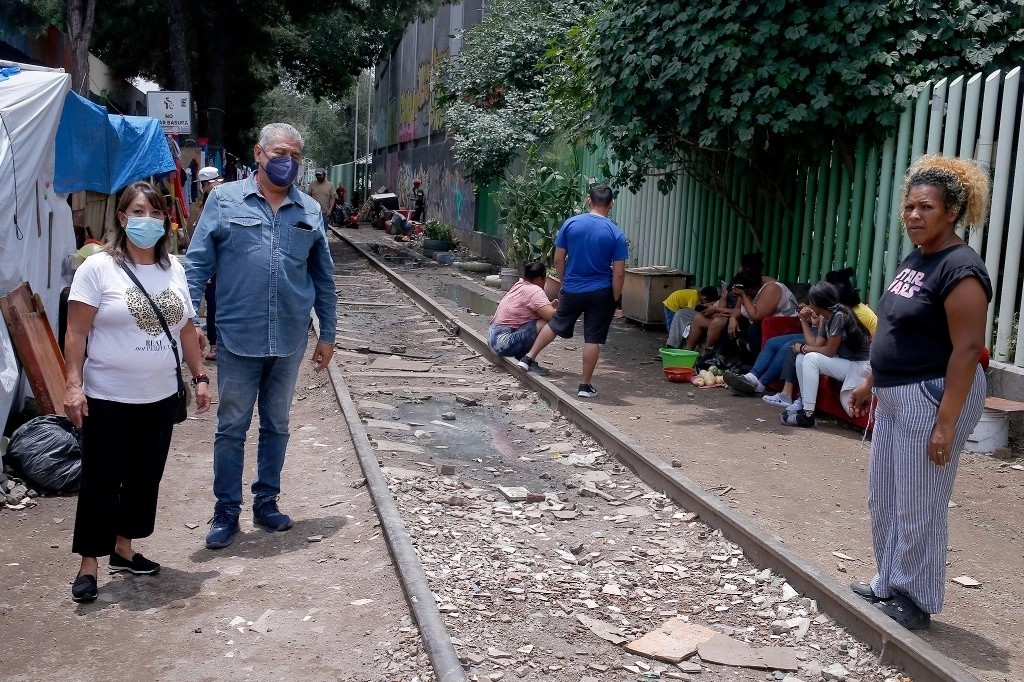


Researcher Mario Luis Fuentes, in charge of the project “UNAM on the borders of Mexico” highlighted, in an interview, that in 2019 the migrant caravans showed an unprecedented dynamic of population displacement that led to a social emergency that persists to this day, but in this human mobility there are not only foreigners, “there are many Mexicans from the mountains of Veracruz, Guerrero, Oaxaca, who are displaced by violence, by the economy, and they leave their states for other entities, many to the north of the country and there they stay.”
Given this phenomenon, which was on the rise in 2019, the specialist of the University Program for Development Studies (PUED) of UNAM explained that the need arose to recognize and strengthen the work networks of the highest house of studies, of its researchers, experts, academics and students, the latter, through their social service and professional practices, travel to the places where this phenomenon is recorded, mainly the southern and northern borders of the country, but now they are already registered in several states.
This program, explained the academic, began at the end of 2018 and beginning of 2019, given the enormous size of the migrant caravans, and that they are now visible throughout the country, in view of this, UNAM considered taking stock of what “it can do in favor of this population, which is why since 2019 the actions of the highest house of studies in their favor have been documented.” This program was started in those years by the current rector Leonardo Lomelí, he indicated.
Fuentes said that wherever there is a population “uprooted, I say that it is a border because it is at the limit of the protection of the Mexican State.” To meet the needs of that population, he stressed, through social service and professional internships, students carry out research work on the needs they have and the capacities of the authorities to meet them, but in this process “we were faced with the Covid pandemic, and all tasks were halted.”
Once the emergency was over, these actions were resumed, and what is done is to identify the projects with the greatest social impact, “we work to restore, repair or make visible the violation of the human rights of migrants who are in transit through the country, and thus not only foreigners without documents have been made visible but also a series of population groups from Oaxaca, Chiapas, Guerrero, among others, who are inserted in these walks.
Source: jornada