
Shipwrecks are the remains of an artifact or ship made by humans, which has been totally or partially sunk or which may be the result of various circumstances such as maritime accidents, shipwrecks, natural disasters, abandonment, intentional sinking and more.
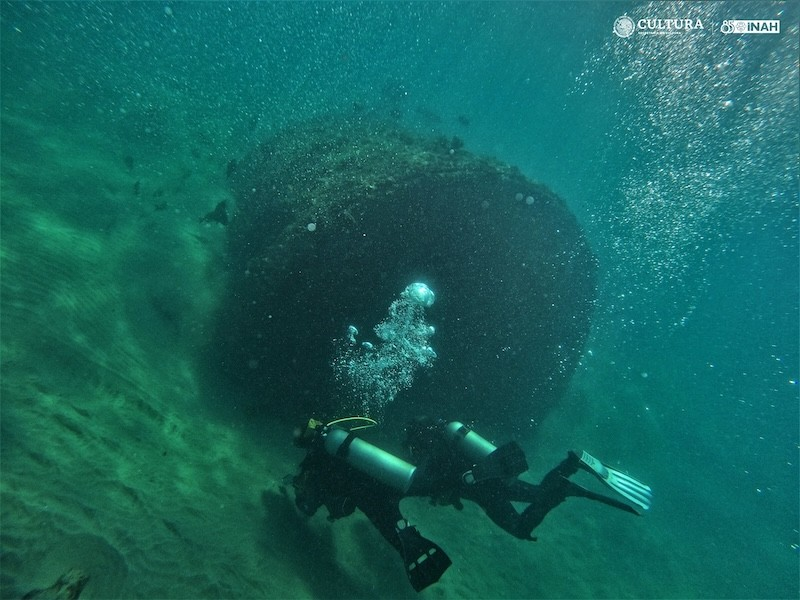
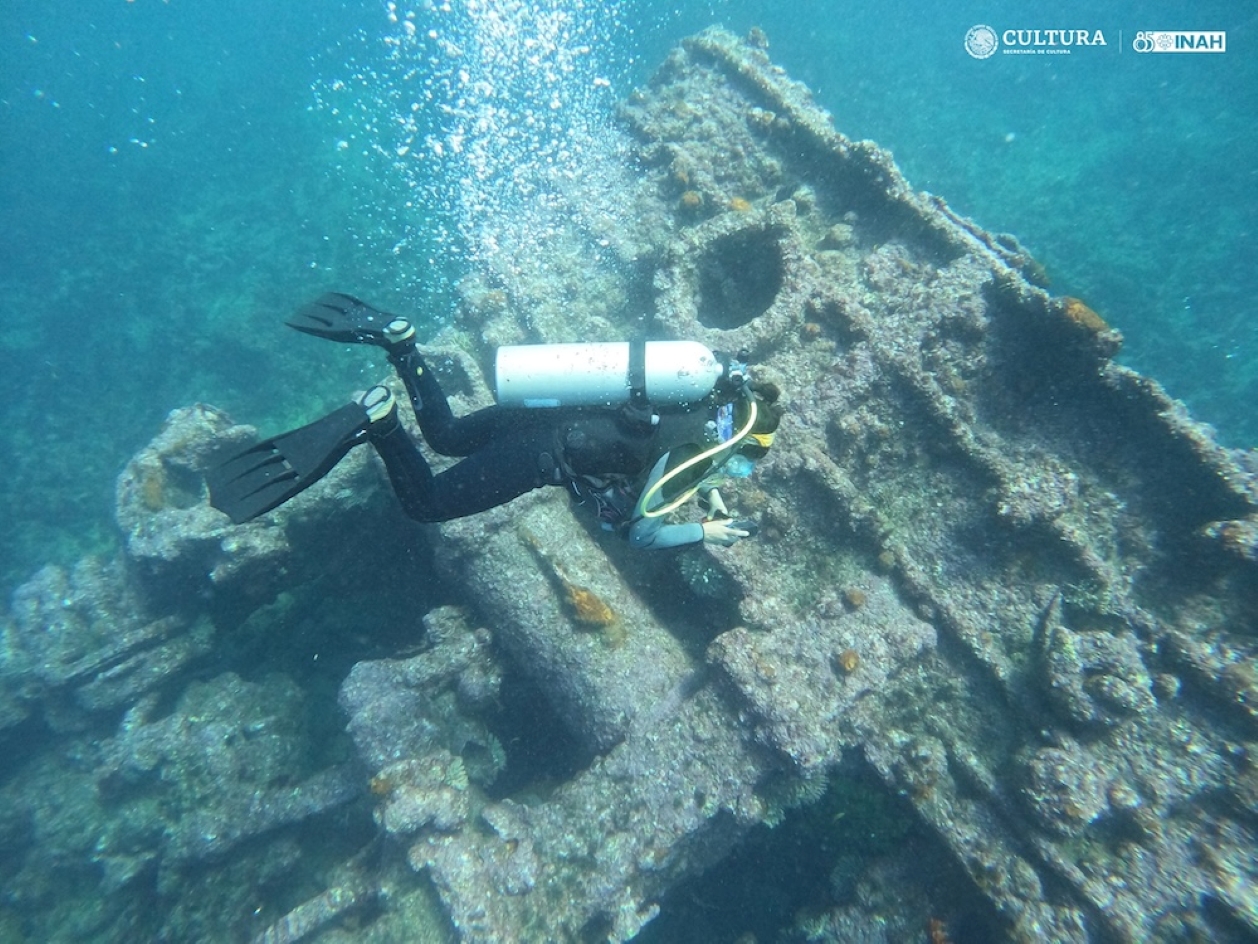
This year, specialists from the National Institute of Anthropology and History (INAH) will descend several meters into the Mexican Pacific coast to discover the shipwrecks off the coast of Baja California, through the first underwater archaeology project on the Sacramento reef, located in Rosario, where there could be up to five sunken historic vessels.
The project is called “Archaeological Inventory of Shipwrecks from the 19th and 20th Centuries in the Mexican Pacific”, led by underwater archaeologist Mariana Piña Cetina, and will record vessels from various nations dating from both centuries, and which lie under national waters on the coast of Baja California.
This registry will be carried out in areas with high archaeological potential such as the Todos Santos Islands, in Ensenada Bay, and in the Sacramento Reef, in Rosario Bay, after initial explorations were carried out during 2021 and 2022, due to the need for archaeological research.
“The historical and documentary research that we usually carry out leads us to propose that in the Sacramento Reef we can find up to five ships of different nationalities, from the 19th or early 20th century,” said Piña Cetina, explaining that, in 2021, they received a report from local fishermen about the existence of a vessel. “Immediately, the INAH made a reconnaissance visit and found at least two archaeological contexts that could belong to different ships.”
It is an area that presents unique obstacles, which requires a full season of exploration, due to the currents, sediments and difficulties in reaching the diving spots on the reef, warns the researcher, who trusts in the close relationship with the fishing community to bring the project to a successful conclusion.
Finally, and due to the social dynamics that take place on the Mexican Pacific coasts, the initiative strives for collaboration with local communities, as well as the dissemination of the results obtained in these communities, in the rest of the country and in international forums. “The aim is to ensure the protection and responsible and sustainable appropriation of the contexts by the surrounding populations,” it says.
The geographic location of Baja California placed it, in the 19th and 20th centuries, as an obligatory passage for ships, which for more than 300 years faced a route of islands, reefs, sandbanks and other elements of the unique geography of the peninsula.
Source: mxc