
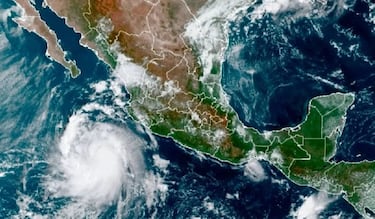
Mexico is one of the most vulnerable countries in Latin America when it comes to meteorological phenomena such as cyclones and hurricanes. Every year, the hurricane season, which runs from May to November, puts several states on alert, especially those located on the country’s coasts.
Tropical cyclones can cause severe damage, from flooding to strong winds and landslides, so preparation is crucial.
Which states are most at risk?
Quintana Roo: This state, famous for its tourist destinations such as Cancún and the Riviera Maya, is one of the most affected during hurricane season. The Yucatán Peninsula is a high-risk area due to its proximity to the Caribbean Sea, which is one of the most active areas for cyclone formation.
Veracruz: With an extensive coastline on the Gulf of Mexico, Veracruz is another of the most vulnerable states. The Gulf region has favorable conditions for the formation of hurricanes, which often strike with great force.
Tamaulipas: Also located on the Gulf coast, Tamaulipas frequently faces the threat of hurricanes. Despite being less well-known than Veracruz, it has also suffered severe impacts from meteorological phenomena.
Tabasco: Due to its geographic location and proximity to the ocean, this state is vulnerable not only to hurricanes but also to heavy rains that cause flooding.
Sinaloa: On the Pacific coast, Sinaloa is also one of the most affected states. The interaction of climatic conditions with the Pacific Ocean generates hurricanes that affect both the coast and inland areas.
Chiapas: Although further from the coast, Chiapas is exposed to hurricanes from the Pacific. Furthermore, its mountainous terrain can cause landslides and flooding. Oaxaca: Like Chiapas, Oaxaca is threatened by tropical cyclones from the Pacific, which can affect both the coast and highland areas.
From Quintana Roo to Veracruz: These are the states most at risk of cyclones and hurricanes in Mexico.
How to prepare for the risk of cyclones and hurricanes?
Prevention is key. Local and federal authorities recommend that residents of the most vulnerable areas have a family emergency plan, know the evacuation routes, and have an emergency kit with water, non-perishable food, flashlights, and first aid supplies.
In addition, it is important to pay attention to weather forecasts and follow the instructions of the authorities in case a warning or advisory is issued.
Source: mexico.as