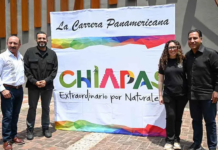

In this second installment of the special series on Chiapas, we delve into the state’s culinary riches, where each dish reflects a collective history, a landscape, and a cultural heritage that lives on through the hands that cook.
Exploring Chiapas through its cuisine is like exploring a map of flavors with deep Indigenous, mestizo, and local roots. Throughout the state, gastronomy not only nourishes but also preserves languages, ancestral techniques, and regional identities.
One of the starting points was Chiapa de Corzo, where popular cuisine coexists with centuries-old legacy. Its most iconic dishes include baked cochito (cochito oven-baked cochito), pepita con tasajo (spiced beef with beef jerky), sweet Chiapas mole, and traditional pozol, recipes that have been passed down from one generation to the next, preserving the authentic flavor of the region.
In this context, La Cocina de la Tía stands out as a cultural and gastronomic center with a circular approach, a place where the native recipes of local cooks are reinvented with products from nearby harvests, consolidating itself as a space of sustainability.
“One of the fundamental pillars of Chiapas cuisine is corn and the diversity of dried chiles used in its preparations. These are ingredients that cannot be missing from our table,” says Paola Badajoz, one of the founders of La Cocina de la Tía, a project that seeks to highlight the essence of local gastronomy in every dish.
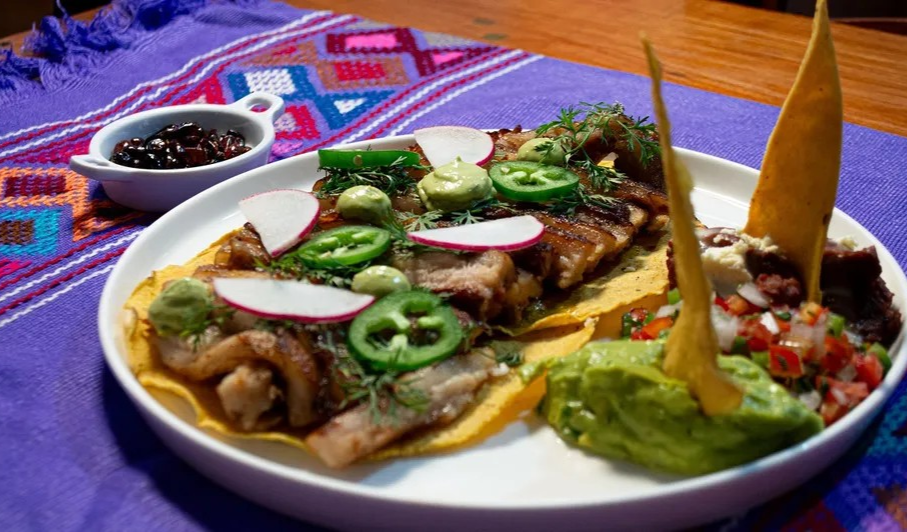
Further south, in Comitán, flavors intertwine between tradition and innovation. Chef Karla Albores heads 1813 Cocina Mexicana, a space where Comitán recipes are reinterpreted from a contemporary perspective. There, we tried dishes such as tortillas with pork rinds, pork shreds with Simojovel chiles, and traditional artisanal butifarra.
“Comitán has two culinary traditions: the native, of indigenous origin, and the Spanish. The fusion of both is what gives our food its identity,” Chef Karla commented in an interview with MILENIO.
The Pacific of Chiapas
The coast offers a culinary offering where the sea takes center stage. In communities like Puerto Arista, Playa del Sol, and Boca del Cielo, cuisine is based on fresh ocean produce. Shrimp empanadas, zarandeado sea bass, and freshly caught seafood are an essential part of the daily diet, offering flavors that reflect the richness of the coastline.
“Freshness is the key to everything. Here we cook as our parents and grandparents taught us,” commented Vanesa López, part of the family restaurant La Palma del Zorro. The techniques are simple, but they preserve the authentic flavor of the region.
Posh: The Drink That Connects with the Sacred
No culinary experience would be complete without posh, a distilled corn-based beverage that is part of Tsotsil and Tseltal rituals in the Chiapas Highlands. Jesús Velazco, founder of the Alma Huixteca brand, explains that “posh isn’t just drunk: it’s honored.”
“Posh is a ceremonial drink left to us by our ancestors. It’s present in our celebrations, in our prayers, and also in our meals,” he notes.
Flavors That Tell Stories
In Chiapas, eating is also a way of remembering. Each recipe contains a fragment of history, a shared technique, a cultural resistance. More than a gastronomic experience, sitting at the table in this state is an act of listening, of memory, and of community.

Source: milenio