
Durango faces crumbling roads; government neglect will cost billion pesos
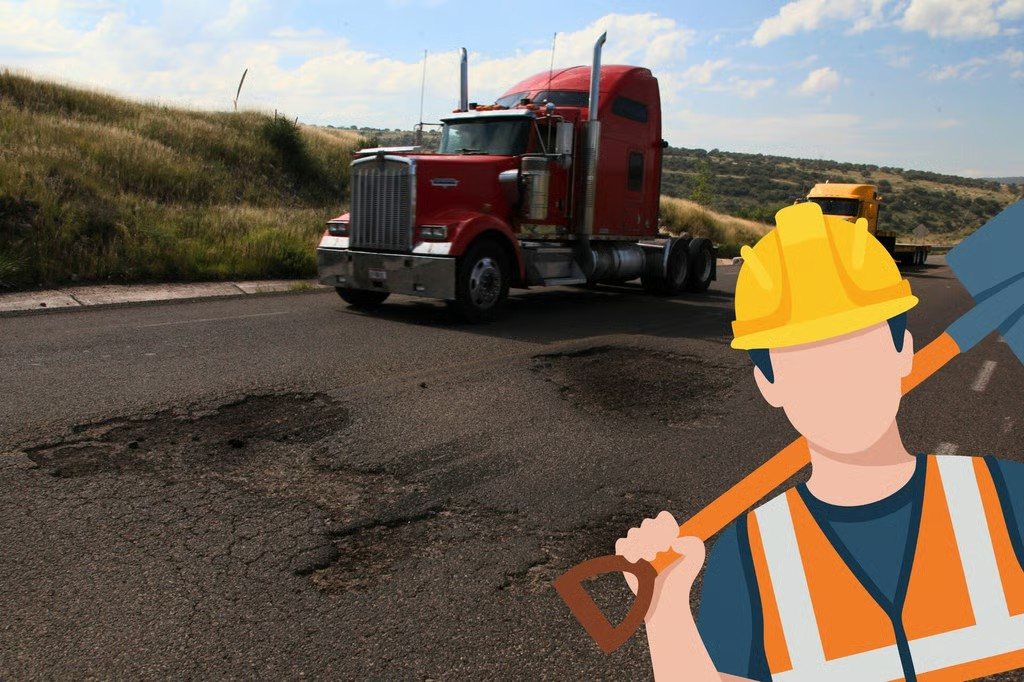
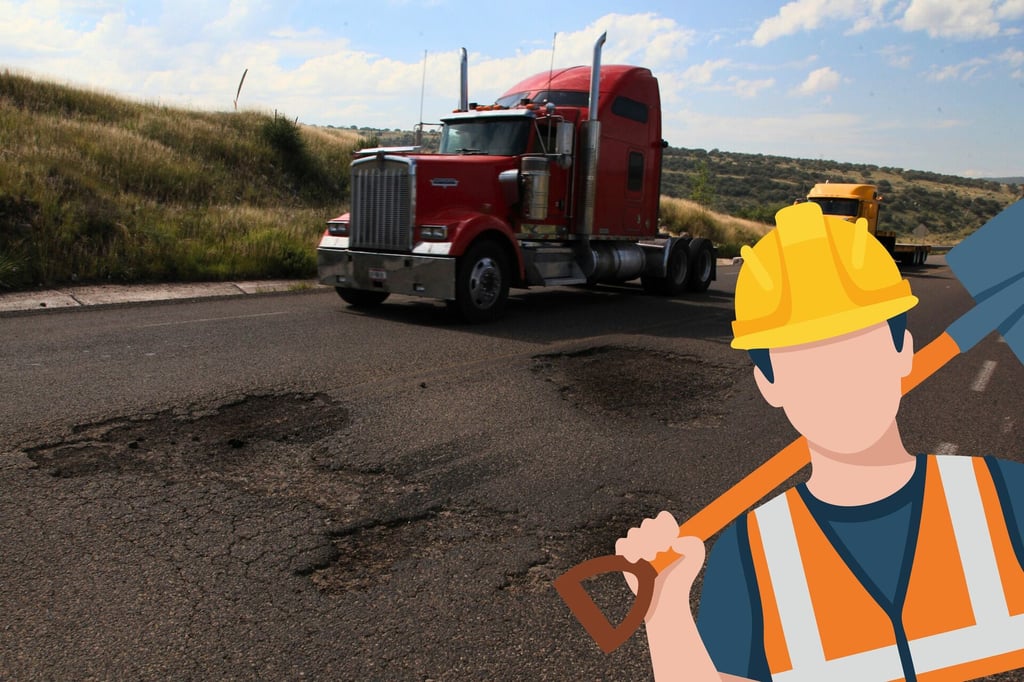
Durango is fighting a daily battle with its road network. Eight out of every ten kilometers are severely damaged, according to the Mexican Chamber of the Construction Industry (CMIC). More than just potholes, these are sinkholes, structural cracks, and deformations that test the safety of every trip.
Sections with the Greatest Problems
Durango–Mazatlán (México 40) Sharp curves, frequent fog, and a worn asphalt surface make this corridor one of the most feared by truckers and tourists.
Durango–Parral and Durango–Gómez Palacio: Both sections of the state highway suffer from severe potholes, poor signage, and areas with sinkholes, forcing drivers to reduce speed abruptly.
Mountain Roads and Rural Roads Mountain communities such as Topia and Tamazula report practically impassable roads during the rainy season, with constant landslides and little maintenance.
Local transporters point out that partial repairs “don’t even last a rainy season,” causing the damage to reappear and worsen.
A Cumulative Neglect
Although the poor condition of the roads has been a recognized problem for years, maintenance work has been, according to specialists, intermittent and shallow. Organizations such as the CMIC (Central Municipality of the Municipality of Madrid) and business associations point out that state infrastructure budgets have been insufficient or dispersed, while other short-term projects are prioritized.
For road users, this neglect translates into greater road insecurity and rising costs, in addition to a direct impact on the state’s economic competitiveness.
When crumbling asphalt claims lives
The deterioration isn’t just a matter of inconvenience or vehicle expense: it has already had fatal consequences. On the Pan-American Highway, between the town of Revolución (Hidalgo) and Las Nieves, a young man lost his life and six people were injured when the pickup truck they were traveling in overturned early in the morning.
Neighbors and motorists who travel daily along kilometer 302 have pointed out that the potholes, sinkholes, and lack of signage turn this stretch into a death trap, especially at night, when visibility is minimal. The accident, which occurred just a few weeks ago, is a painful testament to how neglect of roads can lead to tragedy.
A rescue that will cost dearly
The CMIC warns that at least one billion pesos are needed to begin a thorough rehabilitation of the state highway network: reconstruction of the asphalt surface, reinforcement of foundations, storm drainage, and signage.
Without an investment of that magnitude, the stretches will continue to deteriorate, and the costs—both economic and in terms of human lives—will continue to rise.
Source: elsiglodedurango