
The Chiapas State Congress is preparing to host a new edition of the International Summit for Habitat in Latin America and the Caribbean, as part of a comprehensive strategy to strengthen urban development legislation.
In an interview, Representative Alejandra Gómez Mendoza, president of the Urban Development and Public Works Commission, revealed that they are in talks with UN-Habitat officials to finalize the event.
“We are working with its director, Bern Pfannenstein, and with Representative Juma Assiago. We are preparing the agenda because soon here in Chiapas, in October, November, and December, we will have activities to strengthen our public policies on everything related to habitat, urban development, housing, and green infrastructure,” she announced.
As part of these activities, a specialized forum focused on green infrastructure will be held, with the clear objective of influencing the creation of new local laws.
What is green infrastructure?
To explain the central concept of these initiatives, the legislator defined it as “all climate-smart buildings and infrastructure that help us reduce our environmental impact.”
This includes the use of renewable energy, recyclable materials, and new technologies. “It will help us conserve our environment and promote better urban development,” she emphasized.
When asked about the relevance of this approach in a state with a growing urban sprawl, Representative Gómez Mendoza was emphatic: “It’s an urgent issue.”
She recounted that a recent visit to her alma mater, the UNACH School of Engineering, made her reflect on the evolution of construction materials and the need to adapt.
“Working with permeable concrete for better water absorption” is a specific solution she mentioned for problems such as the large runoffs in Tuxtla Gutiérrez.
“The areas where water is absorbed are increasingly occupied by new subdivisions. Like everything, we have to grow, but we have to adapt to these new needs,” she stated.
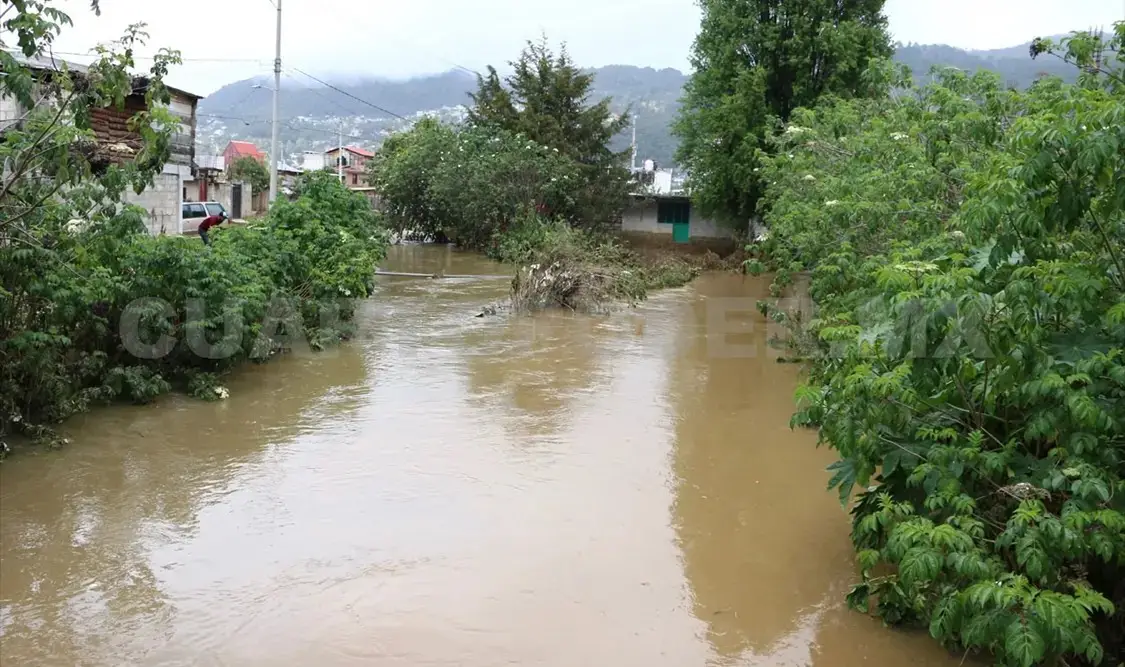
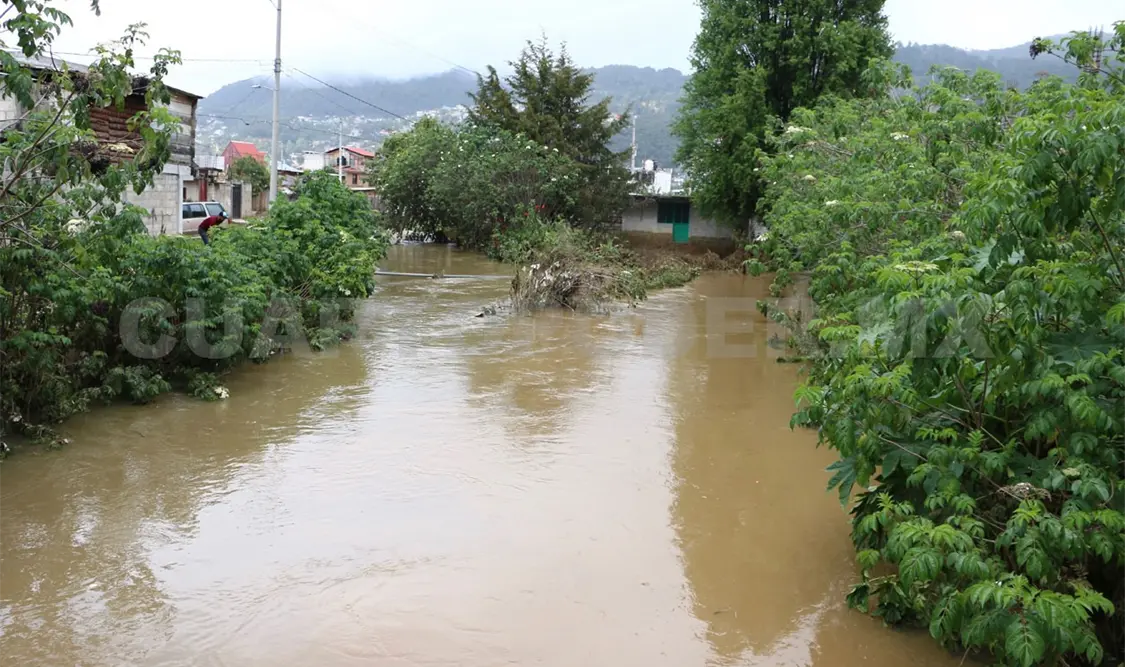
She pointed to the recurring flooding in the capital, specifically on the Northern Bypass, as an example of the urgency.
Finally, the representative said that, through coordinated work with the different levels of government (municipal, state, and federal), agreements will be reached to implement these solutions and build a more sustainable and resilient urban future for Chiapas.
Source: cuartopoder