
Amidst the operations of “Plan Michoacán,” which aim to pacify the state, alleged members of the Jalisco New Generation Cartel (CJNG) yesterday displayed banners threatening their rivals, including Juan José Farías Álvarez, “El Abuelo,” and the local population.
The messages, directed at the residents of the “18 de Marzo” neighborhood in the Tierra Caliente region, threatened the inhabitants of the citrus-growing area, demanding they “cut off all communication” with “El Abuelo,” leader of the Tepalcatepec Cartel, and join them, under threat of a “cleansing.”
The warning extended to neighboring communities such as Galeras and Piedras Blancas; however, the criminal group assured that families would be respected as long as they did not collaborate with the rival cartel.
Michoacán is the country’s leading producer of lemons, and municipalities like Buenavista, Apatzingán, and Tepalcatepec are key players in the Tierra Caliente region, making them prime targets for extortion and criminal control. Yesterday, residents of Tepalcatepec, located on the border with Jalisco, reported finding banners over three meters long.
“We are the Jalisco New Generation Cartel. To all the residents of March 18th, we are here. We’ve come for El Abuelo and his people,” read the banners, which were placed by armed men with their faces covered and wearing military-style clothing, according to images circulating on social media.
Although the pressure on “El Abuelo” doesn’t only come from rival groups, just in August, the United States offered a $10 million reward for information leading to his capture.
US authorities accuse Farías Álvarez of extorting avocado and lime producers, terrorism, and manufacturing drugs (methamphetamine, cocaine, and fentanyl) for distribution in the United States.
According to investigations by the Michoacán Attorney General’s Office, “El Abuelo” (The Grandfather) and his associates maintain a system of extortion that affects sectors such as lime production, livestock farming, and agribusiness.
Following the assassination of Uruapan Mayor Carlos Manzo earlier this month, and in response to the violence in Michoacán, the federal government launched the “Michoacán Plan for Peace and Justice” on November 5.
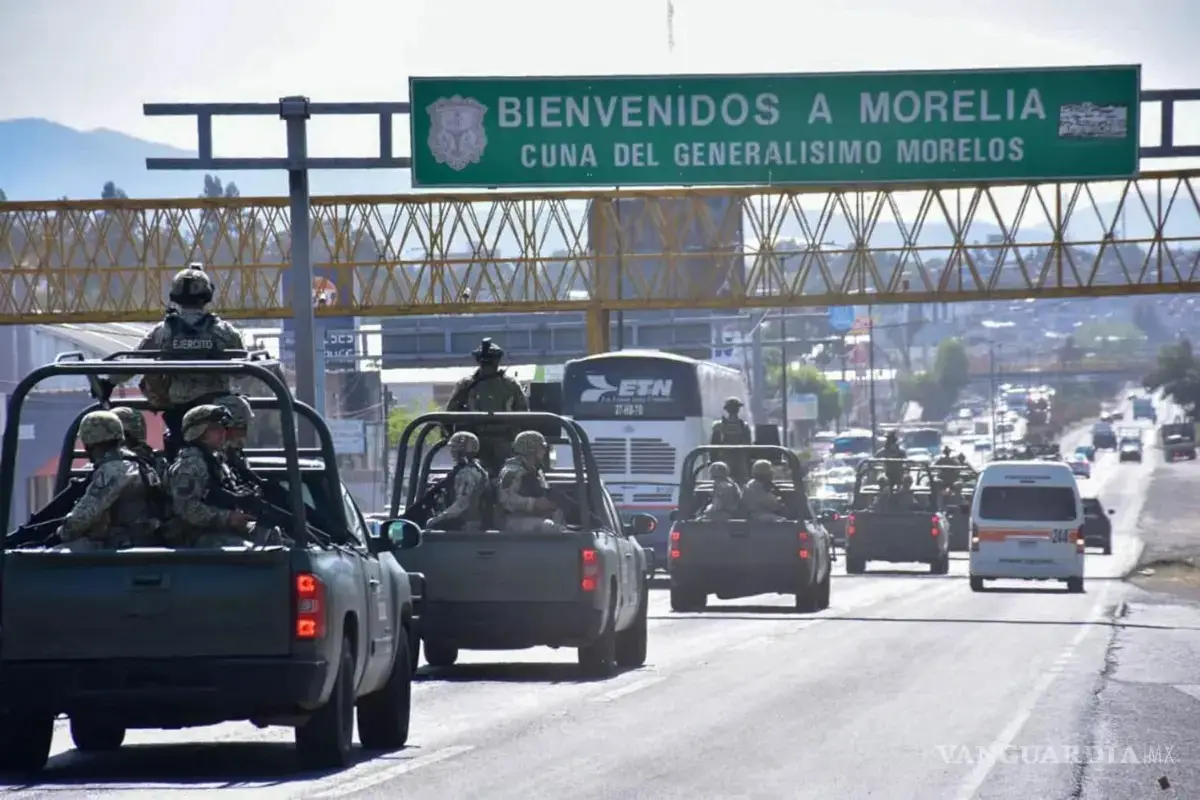
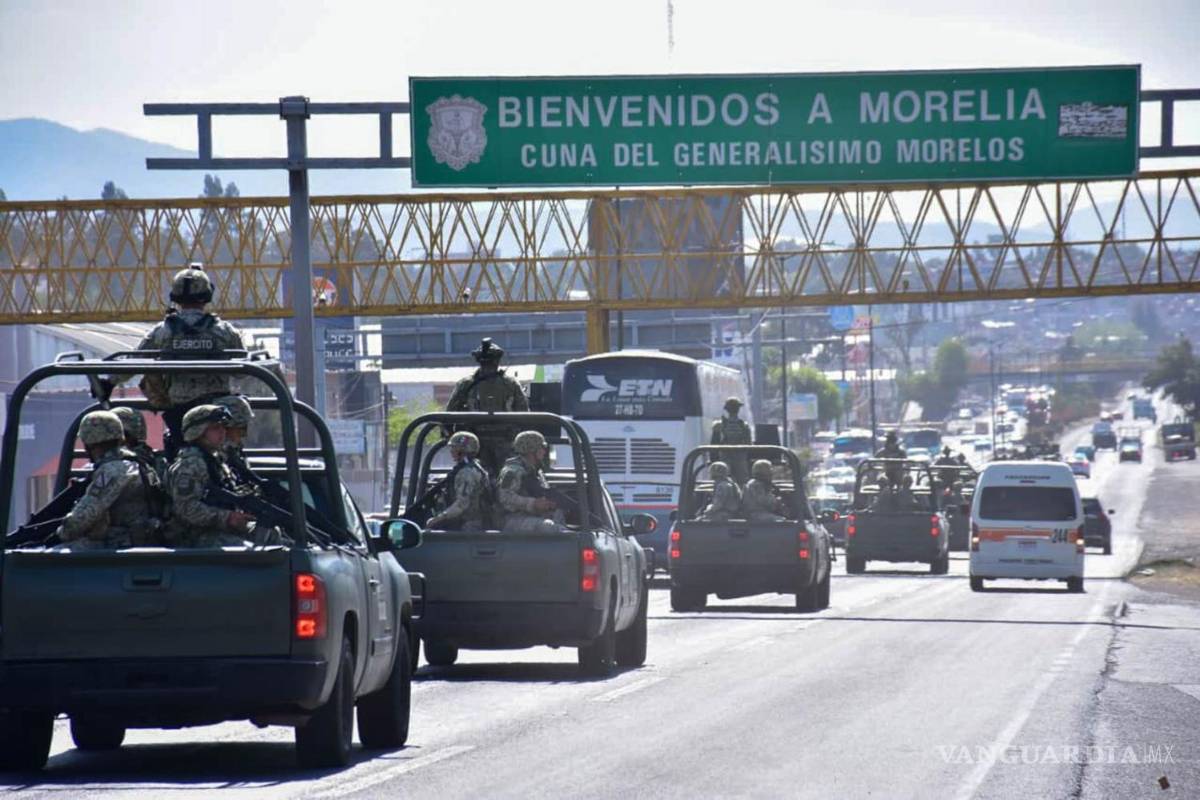
Six days later, on November 10, it was announced that the Armed Forces would implement an operation to seal off Michoacán and prevent the movement of criminal groups into and out of the state, as part of the “Michoacán Plan”, which includes the deployment of 10,506 troops.
Source: vanguardia