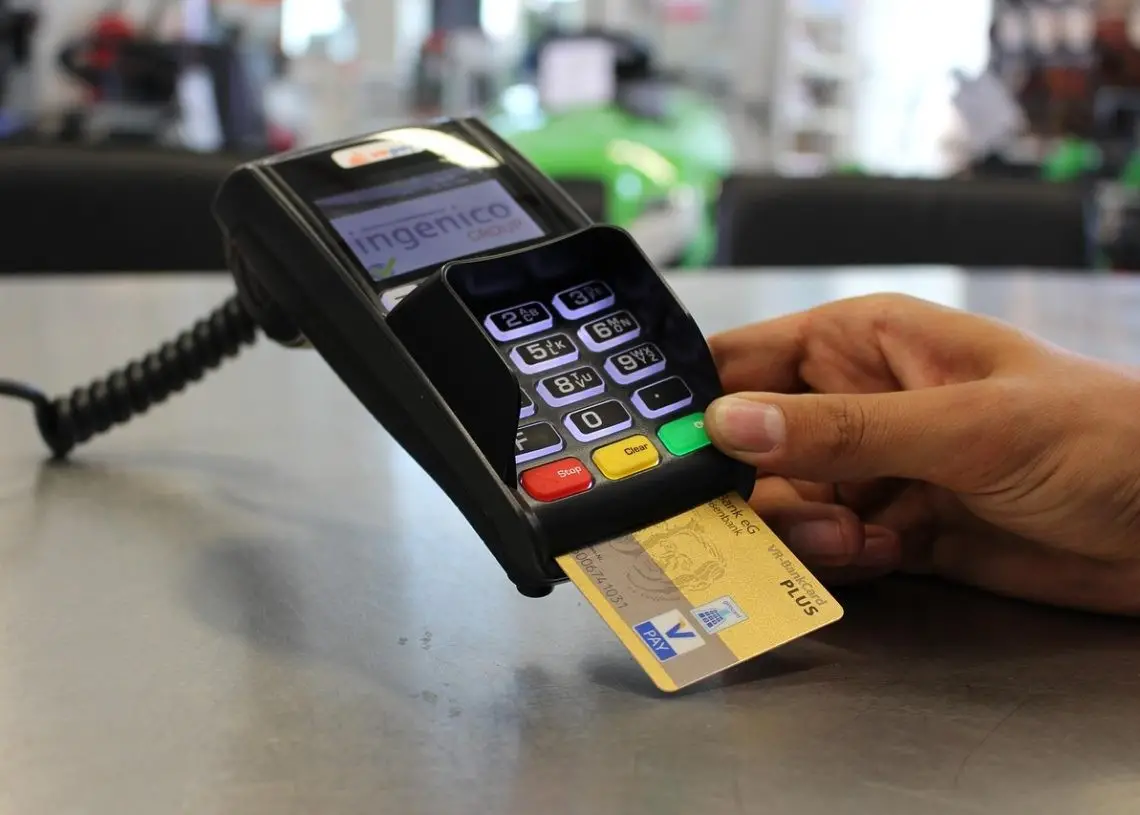

In 2024, 82% of adults with a bank account made or received at least one digital payment, a 27% increase compared to 2014.
Digital banking services in Mexico have grown by more than 500%.
The Mexican banking sector is undergoing a transformation marked by the advance of digitalization and the still uneven increase in financial inclusion.
The current landscape is much more heterogeneous than it was a few years ago, leaving behind the uniform patterns that used to characterize regions like the north and central parts of the country, as shown by the Banamex Financial Inclusion Index.
The index was constructed using a methodology that classifies states and municipalities according to their level of financial inclusion.
According to the results, mobile banking and digital services contracts have shown the greatest dynamism, with growth exceeding 500% between 2017 and 2024.
Traditional, physical branches, as they are commonly known, have declined in line with the global trend. In fact, this is the only access variable that shows a significant drop, falling by 16% between 2017 and 2018.
From 2017 to 2024, the number of ATMs also grew by 16.7%, but with a downward trend compared to 2023, a behavior also associated with the rise of digital services.
In contrast, transactions carried out through Point of Sale (POS) terminals have experienced the most growth, increasing by 17.6% during the aforementioned period.
Although non-bank point-of-sale (POS) terminals experienced over 100 percent annual growth in 2024, the study highlights that only one entity has matched the number of POS terminals of traditional banks, with 1.4 million units in 2024.
Conversely, basic transactional accounts, which record low-value transactions, have shown a sustained decline in recent years in the commercial banking sector. This is due to the fact that commercial banks are no longer the sole providers of this service, which is altering the market structure.
Among financial services, digital payments have become the most widely used. In 2024, 82 percent of adults with bank accounts made or received at least one digital payment, a 27 percentage point increase compared to 2014.
According to the study, an estimated 135 municipalities had a very high level of financial inclusion in 2024, compared to 126 in 2023 and significantly higher than the 59 recorded in 2017.
Although these municipalities represent only 5.5 percent of the total, they concentrate 35.7 percent of the adult population and generate almost 46 percent of the national GDP, demonstrating their economic importance. A total of 336 municipalities were identified in the high financial inclusion category, compared to 303 the previous year.
Regarding the medium level of financial inclusion, the study counts 365 municipalities, compared to 318 in 2023 and significantly higher than the 205 recorded in 2017.
At the low level of financial inclusion, marginal changes are observed: from 615 municipalities in 2023 to 617 in 2024. However, when compared to the 387 municipalities identified in 2017, the cumulative increase is significant.
Development banks, particularly the Banco del Bienestar (Bank of Well-being), have a significant presence in the municipalities with lower levels of financial inclusion. However, this institution was not included in the analysis because its operations and objectives differ from those of commercial banks and are not comparable.

Source: bieninformado