

Miguel Ángel Suárez Meza—director of RUMEC—has spent years traveling throughout Mexico’s 32 states, venturing into rural communities to understand firsthand the daily lives of producers: their struggles, their losses, their talent. It was during these visits that he witnessed a harsh reality: many harvests were wasted or sold at paltry prices, while the industry concentrated commercial power.
“They tried to kidnap me on the Costa Chica because I was paying them four pesos per kilo of mangoes, and they wanted 80 centavos,” he confessed in an interview with Emprendedor.com—a statement that encapsulates the imbalance he aims to change.
With this experience, Suárez founded RUMEC as a “smart business platform with social impact”: a structure designed to serve, represent, and export the production of cooperatives and small producers, under fair and collectively owned models. RUMEC seeks to ensure that those who feed the country can also live with dignity from their work.
One of the keys to RUMEC’s model is creating independent brands with international standards, attractive to global markets. Suárez recalls how he managed to get coffee from Oaxaca to Dubai, certifying it and handling logistics, phytosanitary permits, and quality standards.
“We want to export not only to the United States, but beyond, to places with high purchasing power,” he said with conviction.
Thanks to this vision, RUMEC has exported coffee, dried mango, cacao, and fine chocolate bars, among other products.
According to his public biography, Suárez has compiled a database of more than 20,000 producers across the country, allowing him to identify opportunities, consolidate volumes, and negotiate better terms. Furthermore, RUMEC has forged alliances with shipping companies, airlines, government institutions, and private financial institutions, facilitating exports and traceability.
As an international cooperative platform, it also participates in social impact construction projects, arts and culture initiatives, agencies, services, and sponsorships. In past editions, its construction arm secured funding for projects in marginalized municipalities, while the cultural arm supported popular artistic expressions. This diversification gives the project sustainability and reconnects production, community, and culture.
According to official data, in 2019 the “Agriculture, Livestock, Forestry, Fishing, and Hunting” sector represented a total gross production of approximately 44.564 billion pesos. That year, there were tens of thousands of economic units dedicated to agriculture throughout the country. However, the data also shows that many of them face structural problems: high input costs, lack of credit, excessive bureaucratic procedures, and limited adoption of accounting or control systems.
The traditional model has favored large buyers and intermediaries who concentrate power and profit margins, while small producers—despite their numbers—often receive low prices, lack access to international markets, lack resources for certifications or logistics, and often lack economic security. This structure has perpetuated poverty, rural migration, and loss of productive identity.
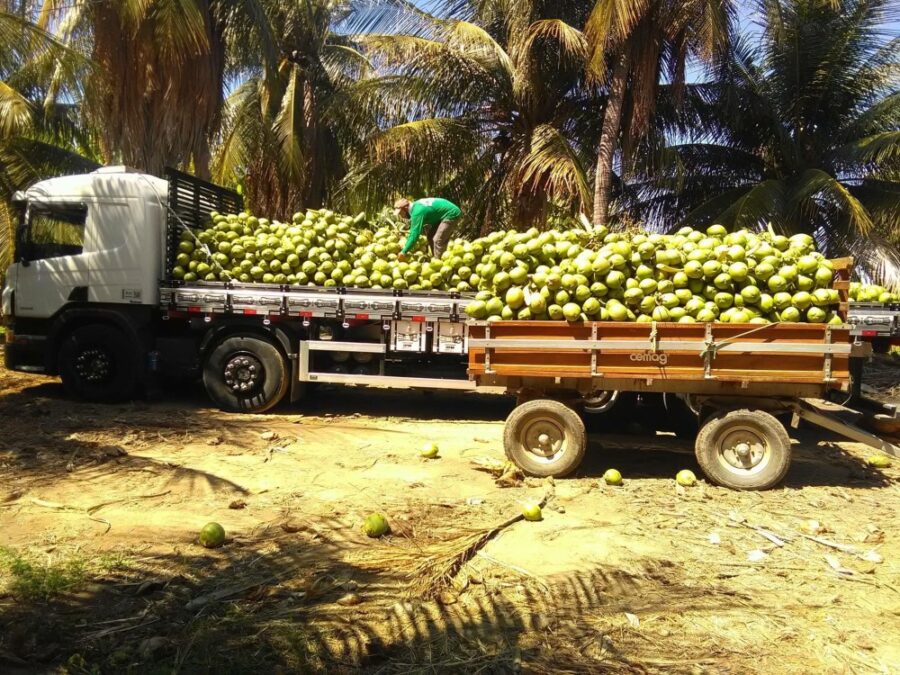
Source: emprendedor