Following the recent approval of the new General Water Law, Salomón Chertorivski Woldenberg, National Secretary of Liaison for the Citizens’ Movement (MC), asserted that it contains numerous shortcomings and problems and fails to address the real issues, given that currently seven out of ten households lack access to water.
He mentioned that during the years of the current administration, the budget for the National Water Commission (Conagua) has been reduced by up to seven percent.
Furthermore, from 2024 to 2025, investment in the country’s physical water infrastructure fell by up to 76 percent, which is why MC decided to vote against it.
Chertorivski Woldenberg explained that the legislators from the Citizens’ Movement presented an alternative proposal for the General Water Law in the Congress of the Union, which was disregarded, despite the water shortages faced by citizens.
The member of the Citizens’ Movement (MC) argued that the country’s water system needs a budget of at least 0.3 percent of the Gross Domestic Product (GDP), and currently it doesn’t even reach a third of that amount. Therefore, he believes the law is not aligned with the country’s current needs.
Furthermore, he believes that the staff at the National Water Commission (Conagua) is insufficient to oversee water concessions, given that there are 550,000 such concessions in Mexico, and the federal agency only has 240 inspectors to review and supervise them.
“It’s a fact that water continues to be wasted in places where it’s abundant. In addition, there’s no program for flood control, nor for harnessing this vital resource during rainstorms. In conclusion, it’s a law that solves nothing. It’s a shame that the proposals from the Citizens’ Movement weren’t taken into account.”
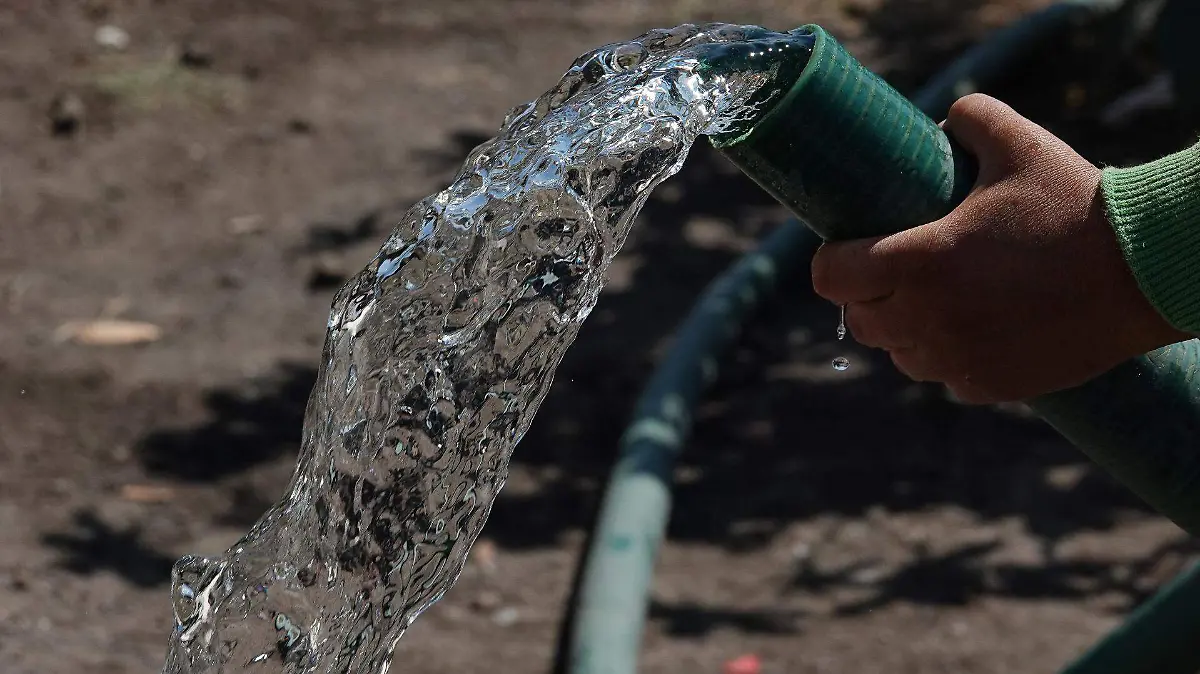
It is worth mentioning that, according to Conagua, the General Water Law is a new legal framework that establishes water as a fundamental human right, centralizes water management under the State’s authority, promotes basin planning, guarantees minimum vital access, and seeks sustainability, affecting the administration of concessions and prioritizing domestic and environmental use over productive uses, marking a structural change in the country’s water policy.
Source: oem