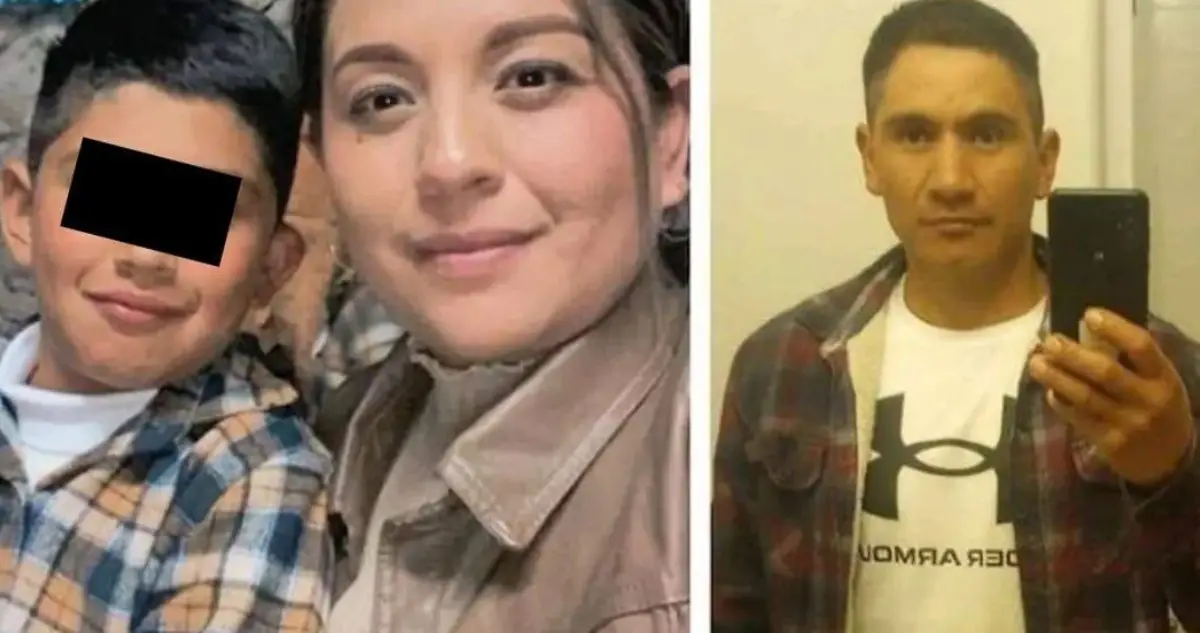

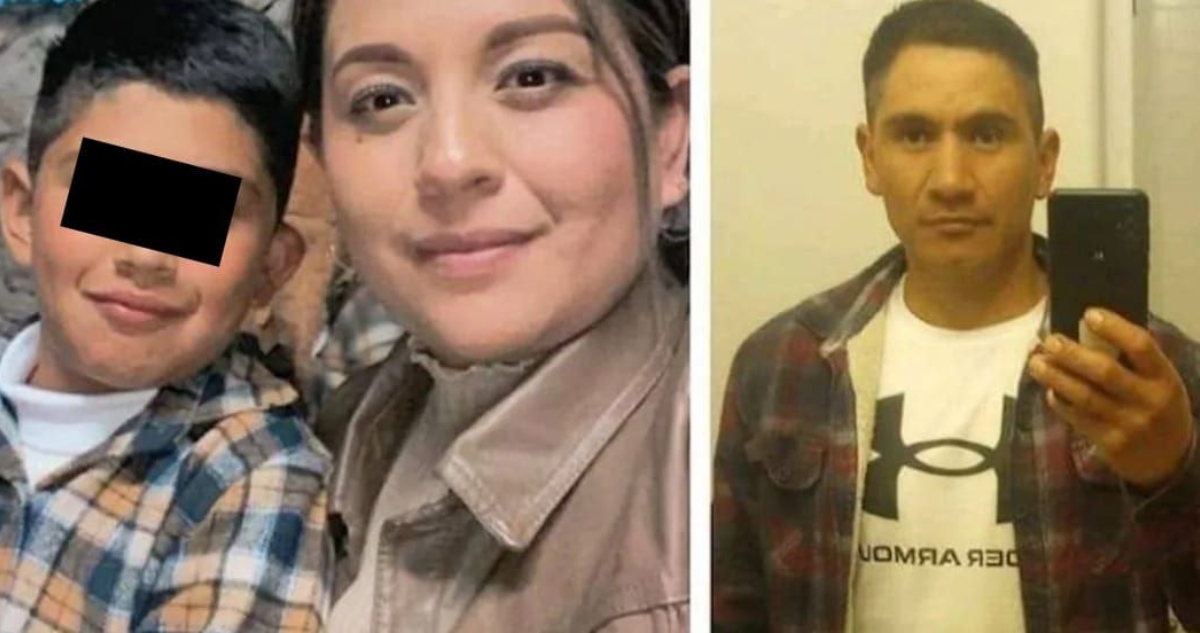
When Leonel Salazar was told that his only son, 11-year-old Leonel, had died in a hit-and-run accident in Guanajuato, Mexico, he didn’t want to know anything more. He took a bus in Fresno, California, to Tijuana, hoping to catch a flight there so he could say a final goodbye to his boy.
What he didn’t expect was that just steps from crossing into Mexico, Border Patrol agents would board the bus and demand all the passengers’ documents to verify their immigration status.
“When you lose a child, you’re so devastated in every way that you think nothing worse can happen, but what happened with Immigration made me feel even more broken because all I wanted was to reach my destination to hug my son and say goodbye,” Leonel said in a telephone interview with La Opinión from Mexico.
“Everyone on the bus had their papers. I was the only undocumented one. I showed them my Mexican voter ID,” says 38-year-old Leonel.
No matter how much he explained that he was returning to Mexico because his son had just died and he wanted to be at his funeral, he was met with a cold wall; the immigration officers weren’t fazed.
“They showed zero empathy. I spoke with some, then with others. I showed them the photos my wife had sent me, my son in the coffin, the copy of the death certificate, and other proof that my child was lying there, but they didn’t care. They dragged me from one place to another until they took me to a detention center in San Diego,” he lamented.
Two and a half years ago, Leonel left Guanajuato, Mexico, in search of a better life for his wife and son, and arrived to work in the city of Kerman, in Fresno County, California.
“My wife, my son, and I were happy in Mexico. But I went to the United States because I wanted to build them a bigger house. I felt bad because we had a small home, and I wanted to achieve that goal,” he recalled.
In Kerman, Leonel found work at a dairy farm, feeding the cattle and milking cows. His life consisted of working hard to send money to his family until June 11, the fateful day his son was killed in a car accident.
“It was a normal day when I was told what had happened to my son, Gael Salazar Ornelas. I think I left that same day in an emergency. I took the bus in Fresno, and the trip was going well. It was around seven or eight at night when, already on the bus in line to enter Mexico, immigration officers boarded to check our documents to see if we were legally in the United States,” he said.
Because he was the only one without legal immigration status, they took him off the bus and detained him.
“Before they took my phone, I managed to call my wife to tell her that Immigration had arrested me,” he said.
His world collapsed after his arrest.
“Imagine the pain I was already carrying from the loss of my son, and it just intensified when I thought I wouldn’t be able to say goodbye to him,” he commented.
At the San Diego Detention Center, he encountered many migrants who had been detained by immigration officials on buses while voluntarily returning to Mexico.
And when he least expected it, 24 hours after being taken into custody in San Diego, an officer approached him and told him he was in luck.
Leonel indicated that the officer approached him and said, “If you want to get out of here quickly, sign your voluntary deportation with a 20-year ban from entering the country.”
Leonel didn’t hesitate; he signed the papers and was transferred to Mexico.
“I think God intervened to get me released. I had friends at the Detention Center who were arrested the same day, in other trucks, and they were begging to be sent to Mexico as soon as possible, but they were being held with a court hearing date a month away,” he said.
The young father said that upon being free in Mexico, he felt at peace and grateful to God.
“They didn’t bury my son the day I was supposed to arrive, hoping they would release me. And I succeeded: I was able to say my final goodbye and be with my wife during that difficult time,” he noted.
Leonel shared that when he was notified of his son’s death, his coworkers told him it was better not to go to Mexico, that there was nothing left to do and that it would jeopardize his stay in the United States, where he had a good job to support his wife. But Leonel didn’t listen to them.
“I would never have forgiven myself for not dropping everything to be with my son at his funeral. I would have been a terrible father if I hadn’t gone back. Even if they had offered me millions of dollars, I wouldn’t have stayed. When I found out what had happened, I didn’t care about anything, not even leaving the American dream behind; I just wanted to rush to his side,” he emphasized.
Source: sinembargo