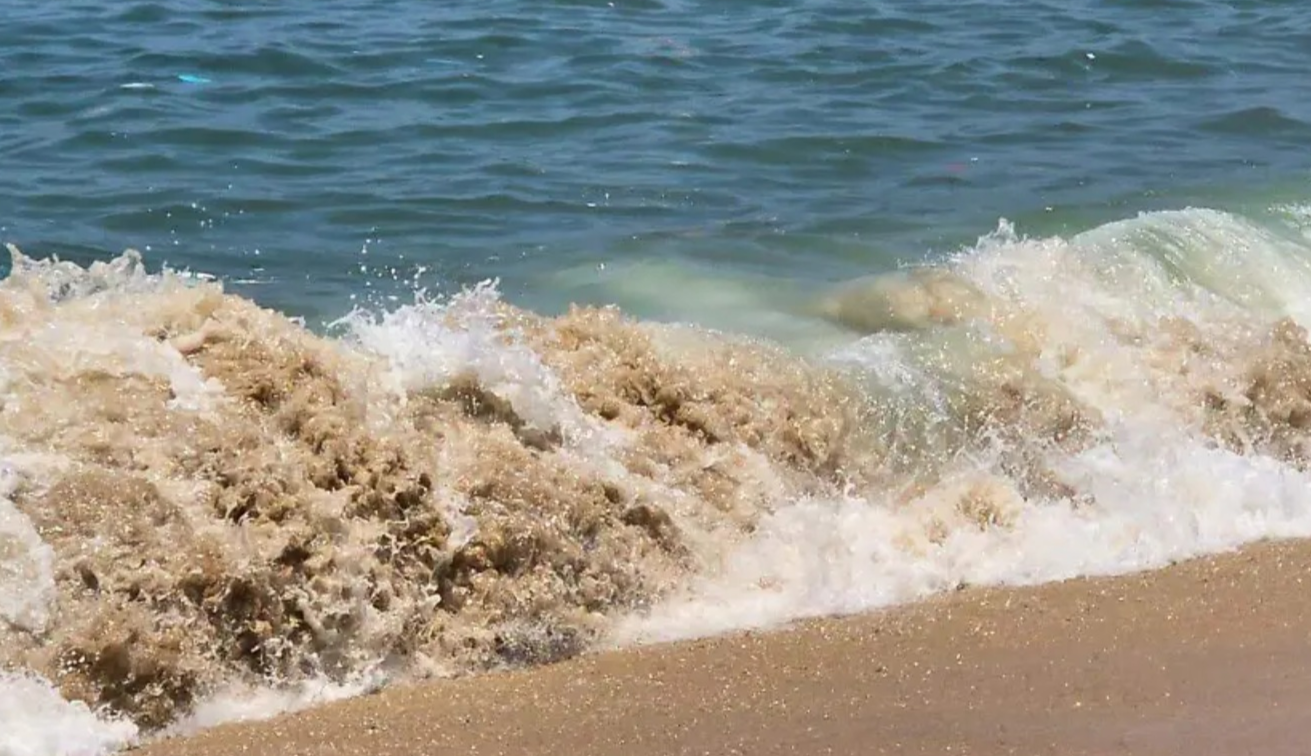

Even though the sky remains clear and weather conditions seem favorable, the ocean can hide significant risks. This is the case with ground swell (mar de fondo), a phenomenon that currently affects a large part of the Mexican Pacific coast, generating high waves, dangerous currents, and disruptions on beaches in states such as Guerrero, Michoacán, Oaxaca, and Colima. Its deceptive appearance and capacity to modify sea conditions make it one of the most important coastal phenomena of the season.
What is ground swell?
Ground swell is a type of wave generated by intense storms that occur thousands of kilometers away, generally in the southern hemisphere of the Pacific Ocean. Unlike waves produced by local wind, these travel great distances, transporting enormous amounts of energy until they reach the Mexican coasts.
One of its main characteristics is that it presents long periods, which can oscillate between 14 and 20 seconds or more between one wave and another. This causes the breakers to be more powerful and the sea to experience sudden changes in its behavior. It is not a tsunami, nor is it directly related to nearby tropical cyclones, although it can coincide with the start of the hurricane season.
During the final days of May and the beginning of June 2026, maritime and civil protection authorities reported the presence of ground swell along a large part of the Mexican Pacific coast. The phenomenon mainly affects Baja California, Baja California Sur, Sinaloa, Nayarit, Jalisco, Colima, Michoacán, Guerrero, Oaxaca, and Chiapas. Reports indicate waves between 1.5 and 3 meters high, with greater intensity on beaches open to the ocean.
In Oaxaca, especially in areas like Puerto Escondido, the waves have reached up to three meters. In Acapulco, red flags have been activated on various beaches due to the risk to swimmers, while in Michoacán, conditions have been especially dangerous in coastal destinations such as Playa Azul and Lázaro Cárdenas. Authorities foresee that the phenomenon will gradually decrease over the coming days; however, they continue to recommend taking extreme precautions due to the persistence of strong currents and energetic waves.
Rip currents: the greatest danger of ground swell
The main risk associated with ground swell is rip currents, flows of water that move rapidly from the shore out to sea. These currents can form without warning and drag people away even in areas where the water appears calm. Rip currents are responsible for numerous rescues and accidents every year in different coastal regions of the world. Their danger lies in the fact that they are usually invisible to those visiting the beach.
When a person attempts to swim directly against the current, they can quickly become exhausted and end up in a critical situation. Specialists recommend that, in case of being dragged by a rip current, one should avoid swimming against it. The correct action is to move parallel to the coast until escaping the current, and subsequently return to the beach.
Disruptions recorded in Guerrero, Michoacán, and Colima
The current ground swell event has already caused material damage in various coastal areas. In Guerrero, the strong waves affected thatched-roof structures (enramadas) and tourist facilities located in Playa Paraíso, in the municipality of San Jerónimo de Juárez. Service providers reported that the sea advanced several meters onto the sand strip, reaching structures near the coast. In Michoacán, beaches in the Lázaro Cárdenas region recorded temporary flooding in areas destined for tourism.
Photographs released by local inhabitants showed tables, chairs, and structures surrounded by water due to the increase in sea level and strong currents. Meanwhile, authorities in Colima issued preventive alerts for the beaches of Tecomán, Armería, and Manzanillo, where it was recommended to avoid aquatic activities due to the high risk represented by the currents generated by the phenomenon. In addition to material damage, ground swell contributes to coastal erosion, affects smaller vessels, and can compromise the safety of fishermen and tour operators.
Recommendations to stay safe during a ground swell event
Given the presence of ground swell, Civil Protection authorities, the Secretariat of the Navy, and the National Meteorological Service recommend strictly following the safety measures established on beaches and coastal areas. The red flag means that entering the sea is prohibited, while yellow flags indicate extreme caution. It is also recommended to avoid walking near the area where waves break, stay away from docks and rocky zones, and keep children and people with little swimming experience away from the water. Small vessels must remain attentive to official maritime notices, as sea conditions can change rapidly. Likewise, it is important to constantly consult the reports issued by the Secretariat of the Navy, the National Meteorological Service, and state Civil Protection units.
Ground swell demonstrates that the ocean can be unpredictable even when the weather seems favorable. Although it is a recurring natural phenomenon of the Mexican Pacific, its effects can put human lives at risk and cause damage to coastal areas. Understanding how it originates, recognizing its dangers, and following the recommendations of authorities are fundamental measures to reduce risks. In an environment where the force of the sea can travel thousands of kilometers before reaching the coast, prevention remains the most important tool to protect communities and visitors.

Source: ecosfera