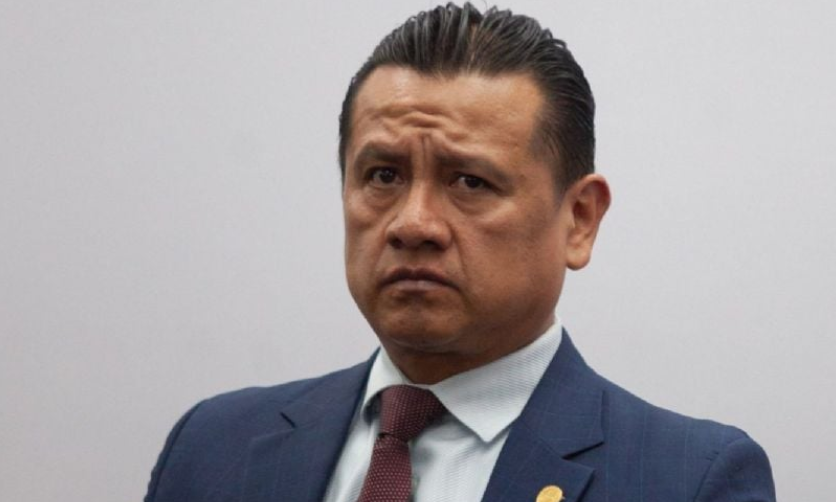

In an exclusive interview for MVS Noticias with Ana Francisca Vega, the Attorney General of the State of Michoacán, Carlos Torres Piña, revealed a worrying evolution in the structure of organized crime in the state: Colombian citizens have gone from being specialized drone technicians to serving as zone leaders or “cartel bosses” (jefes de plaza) for the Jalisco New Generation Cartel (CJNG).
The “exportation” of commanders: From technicians to criminal leaders
According to the Attorney General, the mobility of people coming from Central and South America (Colombia, Venezuela, and Guatemala) has been detected for the past two years, but the presence of Colombians has shown an alarming growth in connection with the Jalisco Cartel.
Previously, these individuals were primarily identified by their technical expertise in operating drones equipped with explosives, weapons training, and combat tactics. However, recent investigations confirm a shift in command.
“Now we see with greater specificity that it appears they already have this responsibility as zone leaders or cartel bosses, and they have gathered a number of people from Colombia who group together among themselves,” Torres Piña noted.
This phenomenon is currently concentrated in the Meseta Purépecha region, an area of high agricultural (berries and avocado) and forestry wealth, where criminal groups seek territorial control and transit routes.
Indigenous communities of Michoacán under federal operations
The incursion of these groups has generated direct violence in communities such as Acachuen and Sebina, where recent clashes with community patrols left a toll of four community members dead. Facing demands from the communities to prevent organized crime from gaining ground, Inter-institutional Operations Bases (BOI) have been established with the participation of Sedena (Secretariat of National Defense) and the National Guard.
In recent operations, federal and state forces have managed to neutralize three suspected criminals, including a Colombian national, and have arrested two other commanders in the Tangancícuaro area.
Carlos Manzo case: 23 detained and “Los R” network
Regarding the murder of the former mayor of Uruapan, Carlos Manzo, the Attorney General reported that the investigation is 70 to 75% complete regarding local jurisdiction. So far, 23 arrests have been executed, including that of Fabiola “N”, alias “La Tía”, identified as a logistical and weapons-selling liaison.
Torres Piña detailed that the crime was orchestrated by a cell known as “Los R”, who requested “the favor” from a cartel boss identified as Jorge Armando, alias “El IC”, who is already in custody. The attorney general’s office has technical and scientific evidence, as well as testimonies from local political figures, such as Senator Morón and Leonel Godoy, to strengthen the case.
Silvano Aureoles: Two active arrest warrants
In the field of justice against former officials, the Attorney General confirmed that former Governor Silvano Aureoles currently has two active arrest warrants: one federal warrant for illicit enrichment and one local warrant related to the acts of violence in the community of Antepac. Out of the 16 arrest warrants issued against former collaborators of his administration, eight have already been executed.
Carlos Torres: Heading toward the 2027 governorship?
Despite polls positioning him as one of the favorite profiles for the governorship of Michoacán in 2027, Carlos Torres Piña assured that he is focused “100%” on his work within the Attorney General’s Office.
“I do not get involved in political activities because it wouldn’t look right, nor is it my role. The function of an attorney general is precisely that, to be fully immersed in the responsibility,” he stated, highlighting that his current popularity stems from the media exposure of operational results and the restructuring of the institution, which has included hiring 450 new young elements and combating internal corruption.

Source: mvsnoticias