
Heading towards the historic commemoration of the fifth centenary of the founding of Puebla de los Ángeles (1531-2031), the government and various academic institutions are promoting a profound exercise in historical memory. More than a mere anniversary, the city’s 500 years present an opportunity to analyze its origins as a strategic political and cultural project of colonial Mexico. As a city planned from its inception in the Cuetlaxcoapan Valley, Puebla consolidated itself as a laboratory of social order that today, through its institutions, seeks to reclaim the narratives of all sectors that built it.
Since its founding on April 16, 1531, Puebla stood out for its exceptional urban design, conceived under Renaissance ideals to house colonists and stimulate the economy between the port of Veracruz and the capital. Unlike other centers built upon pre-Hispanic ruins, our city was born from a vision of order and agricultural and commercial progress. This foundational effort, spearheaded by figures like Friar Toribio de Benavente “Motolinía,” laid the groundwork for a metropolis that is now a source of national pride for its perfect layout and its commitment to the country’s growth.
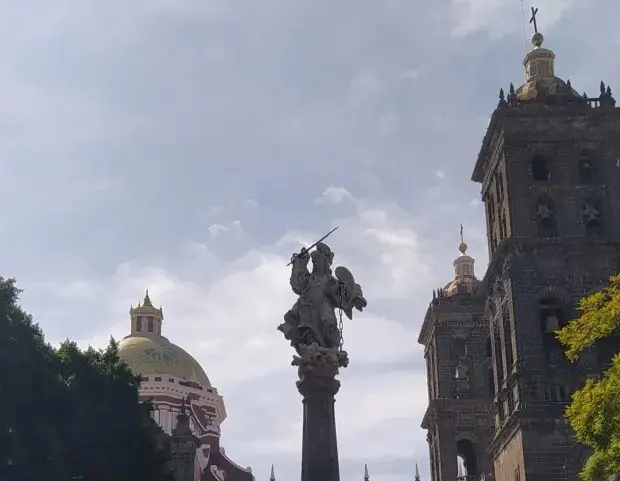
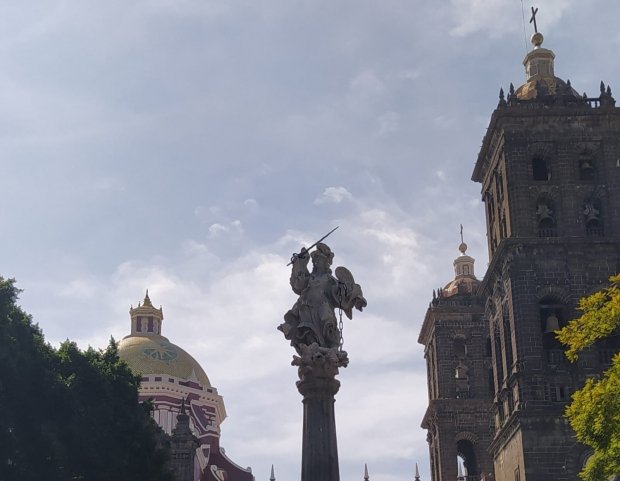
The splendor of Puebla is evident in its material wealth, where the New Spanish Baroque reached its zenith. Monuments such as the Cathedral and the Chapel of the Rosary are testaments to an unparalleled artistic fusion, where local talent transformed European influences into a unique identity. Examples of this include Talavera pottery from Puebla and our world-renowned cuisine, where mole and chiles en nogada symbolize the union of cultures. This administration recognizes our tangible heritage as a tool for social cohesion that defines us to the world as a melting pot of traditions.
Puebla’s importance in national history was reaffirmed in the 19th century with the heroic Battle of May 5th, transforming the city into a bastion of Mexican sovereignty. UNESCO’s recognition in 1987, declaring the Historic Center a World Heritage Site, not only celebrates its architectural beauty but also obligates the State and its citizens to protect this legacy. The current administration is working to ensure that the preservation of our monuments coexists harmoniously with modernity, guaranteeing that Puebla remains a vibrant and functional city for its inhabitants.
Within the framework of this transformation, the debate surrounding the 500th anniversary incorporates a critical perspective on “coloniality,” seeking to give voice to the Indigenous and Afro-Puebla communities that were key players in the city’s development. This is an inclusive policy of memory that does not conceal the contradictions of the past but rather integrates them to build a more just future. By recognizing the efforts of the anonymous builders, the government strengthens the identity of a diverse Puebla that recognizes itself in its multiple roots and its constant evolution.
Source: contraparte