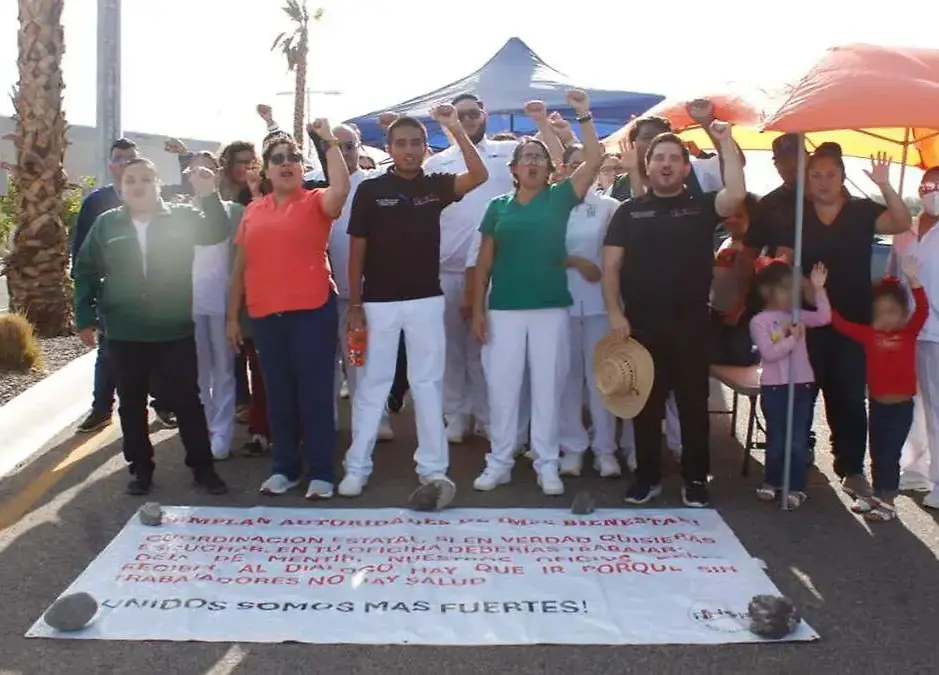

During 2025, Baja California Sur witnessed more than 20 demonstrations, work stoppages, and strikes involving various sectors of the population. Education workers led the list of mobilizations with at least seven strikes throughout the year, while the health sector, students, and citizen groups also took to the streets to demand solutions to their grievances.
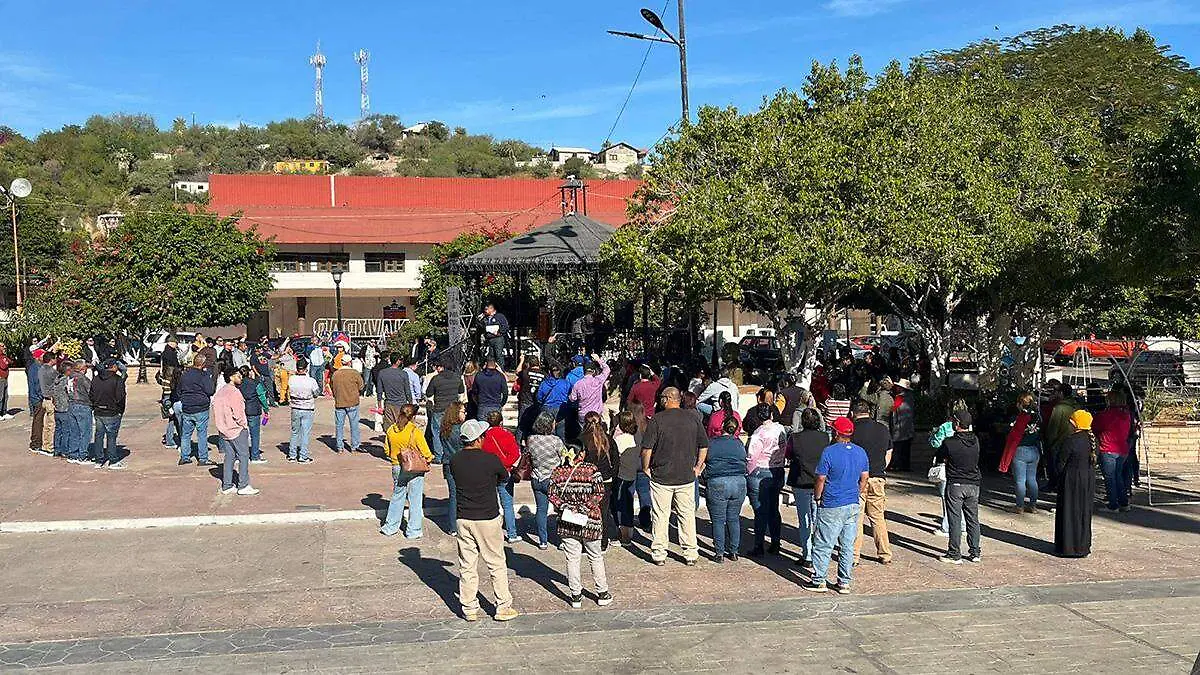
However, most of the movements concluded without obtaining satisfactory responses from state authorities. The last demonstration of the year took place on December 22 in the municipality of Mulegé.
The main mobilizations occurred from January to December in all five municipalities of the state. The protests focused primarily on labor violations, salary demands, reforms to the ISSSTE Law, gender violence, and demands for public safety. Of the more than 20 demonstrations recorded, only four achieved partial or complete solutions to their demands.
The earliest protest of the year took place on January 27 and 28, when Section 61 of the National Union of Health Ministry Workers called for demonstrations at general hospitals in San José del Cabo, Cabo San Lucas, Ciudad Constitución, and Loreto. The workers demanded the replacement of electronic payment cards for bonuses, recognition of years of service for federally employed personnel, and a solution to the shortage of medical supplies. These demands were not fully met during the year.
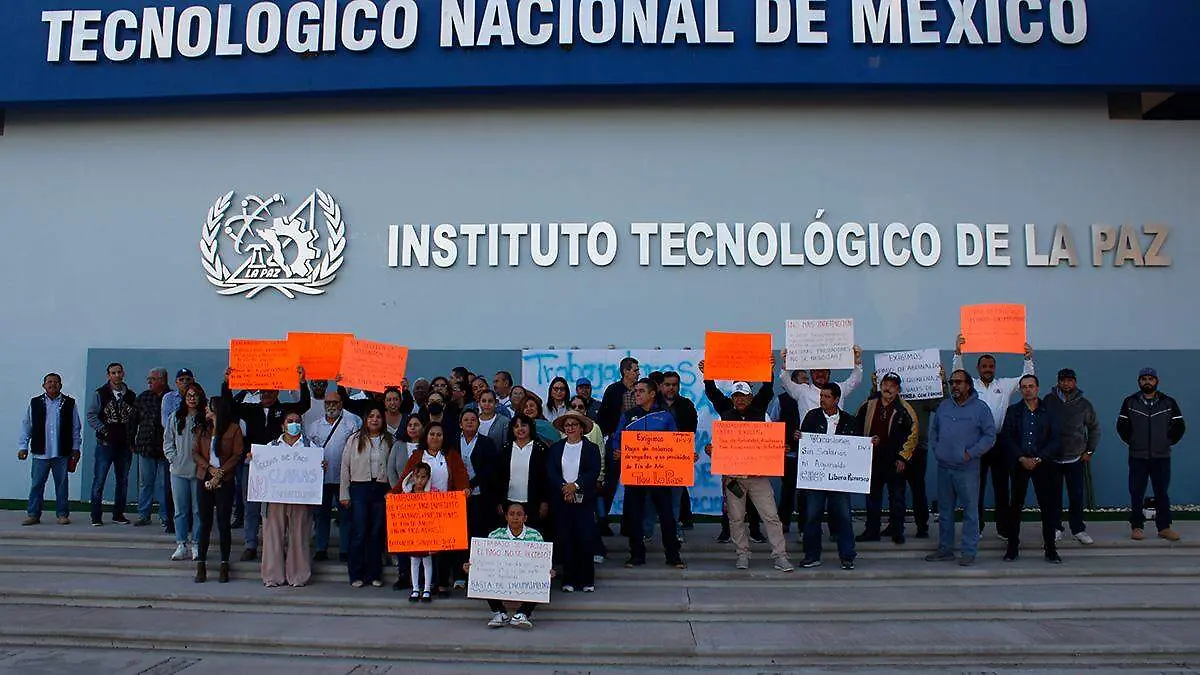
Meanwhile, the Independent Health Workers’ Force (FINTRAS) union in Baja California Sur carried out several blockades in the state capital, completely halting traffic on the October 8th Bridge on the Forjadores de Sudcalifornia Boulevard and at the entrance to the IMSS Bienestar offices at the Convention Center. Both blockades were due to a lack of supplies and medications, the repeal of the 2007 ISSSTE Law, and the demand for adequate pensions, among other issues.
Teachers in Baja California Sur led the largest number of protests. On February 24, teachers from 18 states, including Baja California Sur, participated in the first national strike against the reform to the ISSSTE Law. The teachers’ movement intensified in March with 48- and 72-hour strikes on the 12th, 18th, and 19th of the month, when more than 8,000 teachers from the five municipalities paralyzed school activities to demand a comprehensive reform of the pension system and the repeal of the 2007 ISSSTE Law.
Carlos Betancourt, a representative of the teachers, stated in March that they were seeking a dignified pension system and demanded that the local Congress advocate for their demands with the federal government. The teachers’ strike extended into May, when on the 15th of that month the movement entered an indefinite phase after deeming the benefits announced by Mayor Claudia Sheinbaum insufficient. These benefits included a retroactive salary increase and an additional week of vacation. The teachers obtained some federal benefits, such as a salary increase and extra vacation time, but they did not achieve the repeal of the 2007 ISSSTE Law or the comprehensive reform of the pension system they demanded.
The Technological Institute of Higher Studies of Los Cabos experienced one of the longest labor disputes of the year. The strike began on February 26th and lasted for more than a month, affecting over 2,000 students. The Unified Union of Teaching and Administrative Personnel demanded a salary increase of more than 10 percent and respect for the collective bargaining agreement. The Finance Ministry offered a 4.21 percent increase, which was rejected as insufficient.
Pedro González Guardado, the union’s general secretary, stated that the strike was prolonged due to contract violations and a reduction in teaching hours. The conflict concluded on March 28 with an agreement for 1.6 million pesos in salary and benefit improvements, representing one of the few strikes that achieved a resolution during the year.
Source: oem