

Between 2020 and 2025, a total of 245 minors were arrested in Puebla for possession of illegal substances, primarily marijuana, cocaine, and methamphetamine, according to data from the State Attorney General’s Office (FGE). The 14-to-17-year-old age group accounted for the largest number of cases, and only 14 were formally charged.
Eder Vásquez Espinosa, a professor at the Law School of the Popular Autonomous University of the State of Puebla (UPAEP), explained that criminal groups primarily target adolescents because they know they receive legal benefits: “The last resort for juvenile behavior is jail.”
He illustrated this by saying, “It’s not the same to be found with five kilos of marijuana as it is to be found with five grams of the same substance.” The expert pointed out that, regardless of the crime committed, children and adolescents are tried under special legal frameworks that prioritize social reintegration over punishment.
According to information from the Puebla State Attorney General’s Office (FGE), between 2020 and 2025, a total of 245 minors were caught in possession of various illegal substances, primarily marijuana, cocaine, and methamphetamine, which are known to affect mood, perception of reality, and behavior.
The quantities vary depending on each case: from 1.1605 grams of methamphetamine to 843.4288 grams, or almost one kilogram. Women are not exempt from committing this crime, although it was less common among them.
In 2025, a 17-year-old girl was caught in the city of Puebla with 54 grams of marijuana and was not prosecuted. A year earlier, authorities found a 15-year-old girl with 9.11569 grams of methamphetamine in the municipality of Cuautlancingo.
Of the five years analyzed, 2022 had the highest number of arrests, with a total of 78 cases; followed by 2020 with 50; 2021 with 40; 2023 with 36; 2024 with 26; and 2025 with 17.
The data showed that, of the 245 detainees, only 14 were formally charged, meaning that in 94.3% of the cases, judges did not consider there to be sufficient evidence to initiate criminal proceedings.
The UPAEP specialist explained that there are many treatment programs that offer solutions for reintegration into society. He added the following:
Juvenile criminal law operates differently, in which the last consequence of juvenile behavior is imprisonment, because they are in a phase of wanting to grow up, wanting to develop; Therefore, they still don’t distinguish between good and bad, he commented in an interview with El Sol de Puebla.
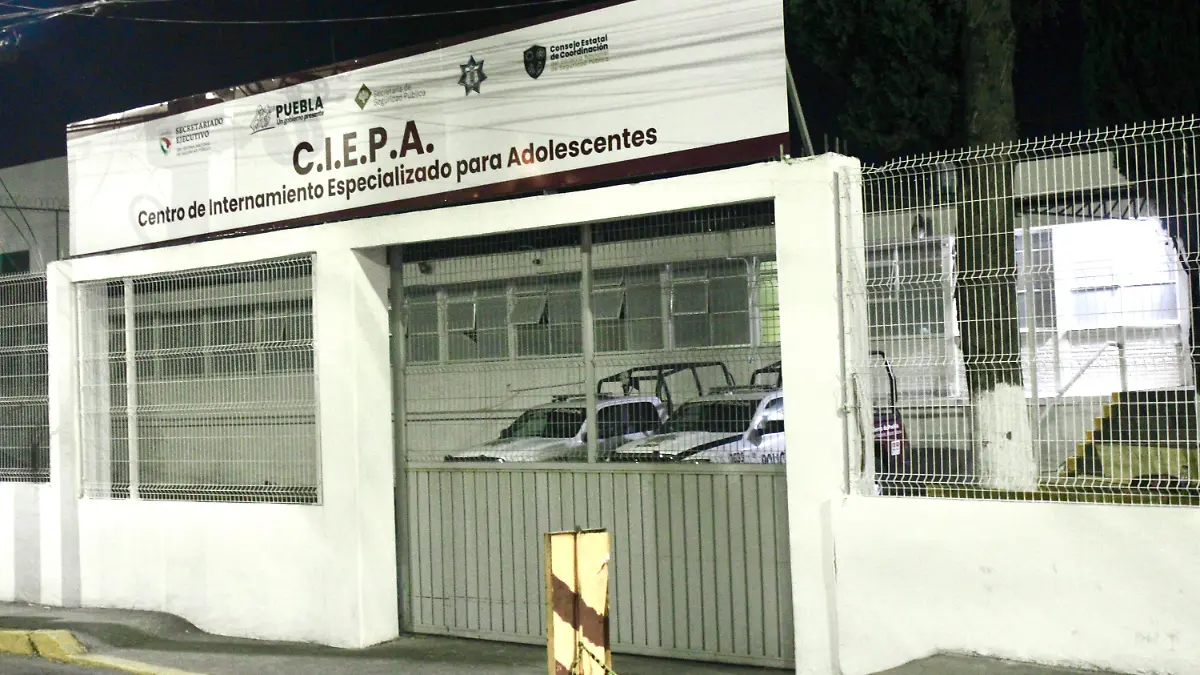
One of these solutions is the principle of opportunity, where the Prosecutor’s Office and the Public Ministry (MP) give a teenager the chance to avoid jail time, but they have to provide certain information. Another is attending treatment centers if they have a dependency on alcohol, drugs, or tobacco.
Because we have to understand, they are still children and teenagers. And so another option is sending them to integration centers to help them, he commented.
In any case, they must undergo periodic reviews to determine if they are complying with the agreed-upon terms.
Source: oem