
Oaxacan recipes, the Mayan treasures of Yucatán, the colonial cities of Guanajuato, the natural beauty of Chiapas, the desert of Baja California… Mexico is so much more than just Mexico. There are so many fascinating corners… Where to begin exploring its 31 states, in addition to Mexico City? Perhaps through its Pueblos Mágicos (Magical Towns), the designation that brings together its most emblematic towns, enclaves that “have always been part of the nation’s collective imagination and that represent fresh and varied alternatives for national and international visitors,” according to the Ministry of Tourism. It is an open list that began in 2001 with Huasca de Ocampo, in the state of Hidalgo, as its first member, and has grown to 177 today. Each Pueblo Mágico is different, but all possess a cultural, historical, and natural richness that makes them worthy of a trip.
They call it the “blue land,” and the blame, of course, lies with the Blue Weber Agave, the bluish-hued plant used to produce tequila. This is where this incomplete route through some of Mexico’s must-see “Pueblos Mágicos” (Magical Towns) begins. As we know, Tequila, in the state of Jalisco, is the birthplace of Mexico’s iconic spirit. The agave landscape mesmerizes us from the Chiquihuitillo viewpoint. So does the Tequila volcano, a UNESCO World Heritage Site. Within the town itself, the colorful main square and the Santiago Apóstol church catch the eye, as do the public washhouses on Tabernas Street. A visit to the Regional Tequila Museum (MUNAT) is a must, as is a tour of one of the tequila distilleries.

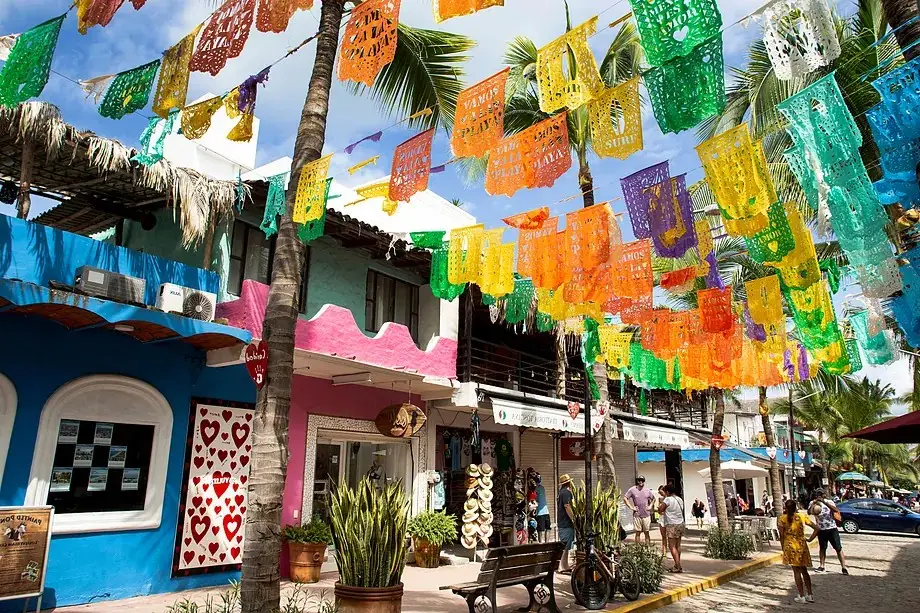
The Wixárika (or Huichol) culture is one of the oldest and most vibrant living indigenous traditions in the state of Nayarit. Moreover, the Wixárika Route, an ancestral ceremonial path of over 500 km connecting sacred sites in the North American country, was included last year on UNESCO’s World Heritage List. The other great reason to visit Nayarit, on the Pacific coast, is its paradisiacal beaches. Destinations like Sayulita, also a “Pueblo Mágico” (Magical Town), are world-renowned for surfing and their bohemian atmosphere. But even if you’re not riding the waves, there are plenty of opportunities to enjoy nature. Whale watching, for example, is a top activity. Its handicrafts are also very popular with tourists, and since you’re by the sea, you should definitely try the typical dishes, such as shrimp balls and fried fish.
In the state of Michoacán, Pátzcuaro is another stunning enclave. If you ever want to experience the Day of the Dead in Mexico, this would be an incredible place to do so. Its cobblestone streets, Baroque architecture, and the Plaza de Vasco de Quiroga, one of the largest in the Americas, make the former capital a true colonial gem. But there’s more. Another attraction is its lake, especially when it’s filled with butterfly fishermen, so named for the shape of their artisanal nets. This is a Purépecha tradition and a source of pride for Michoacán.
Now we travel to the very heart of the state: Guanajuato. Our journey through this region takes us to places well-known for their role in the country’s independence history, from the city of Guanajuato itself to Dolores Hidalgo. However, when it comes to stunning locations, there’s an undisputed winner: San Miguel de Allende, one of the most cosmopolitan “Pueblos Mágicos” (Magical Towns). UNESCO designated it a World Heritage Site in 2008, but this 500-year-old city has been a hotbed of activity since the mid-20th century when artists began flocking there, transforming San Miguel into the creative mecca it remains today. It still retains that artistic flair, along with expensive hotels and picture-perfect restaurants. It’s true that the sounds of mariachi music, the craftsmanship of artisans, the vibrant colors of the markets, and the ringing of church bells still resonate through the cobblestone streets and past the brightly painted houses of this top-tier tourist destination.

Source: elmundo