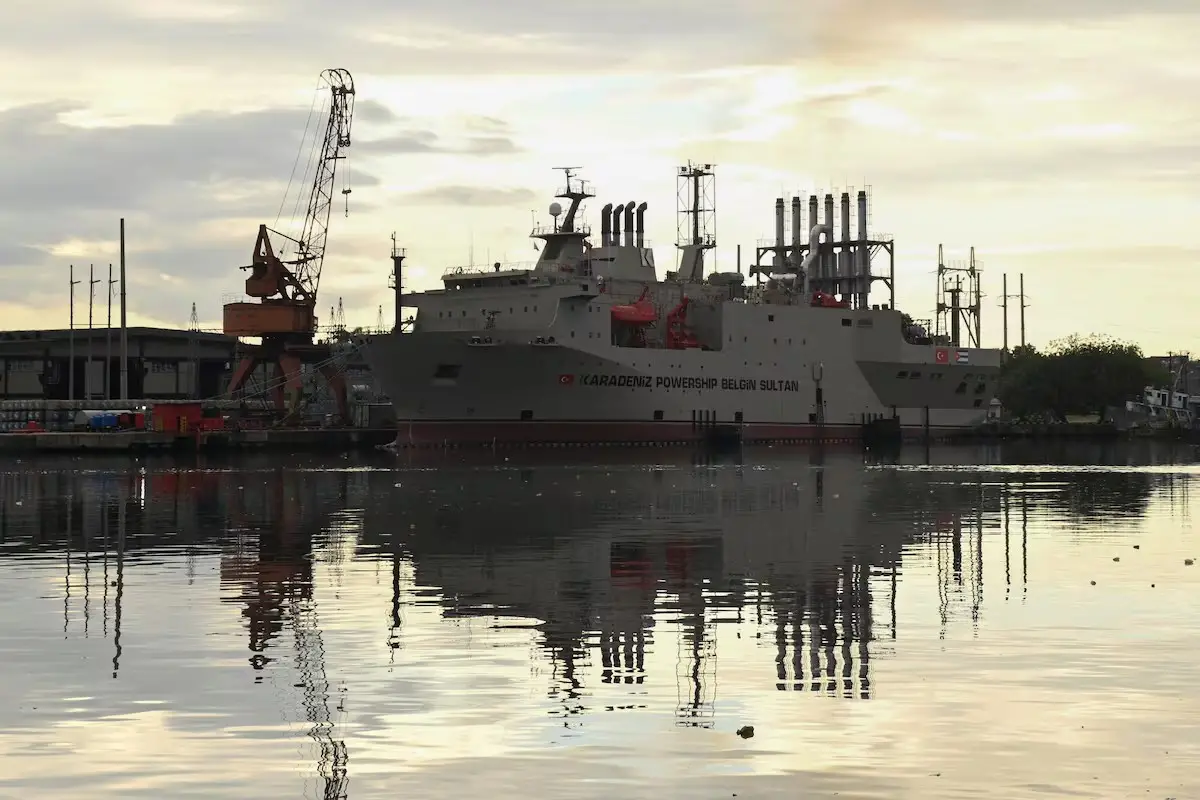

Oil tankers traveling from Mexico to Cuba have captured the world’s attention in the last month. Following the United States’ intervention in Venezuela and the takeover of its energy industry, Mexico became the de facto largest supplier of hydrocarbons to the island. This has been happening since 1993, but since 2024 it has been carried out diligently as humanitarian aid in response to the energy crisis on the island.
The accusations made by some U.S. congressmen against the shipments in recent weeks have complicated the Mexican government’s position. Mayor Claudia Sheinbaum has offered some explanations, but the state-owned oil company, Pemex, has not provided a clear picture of the ships departing from its terminal in Coatzacoalcos, Veracruz, bound for Cuba.
Sheinbaum has been arguing for weeks that the oil shipments are of two types: humanitarian aid and shipments under contracts signed by Pemex with the Cuban regime. This Wednesday, the president elaborated on this narrative in response to reports that Mexico’s state-owned oil company, Pemex, has suspended its crude oil shipments to Cuba. She attempted to separate business interests from emergency aid. “Humanitarian aid to Cuba, as to other countries, continues because it is humanitarian aid, and Mexico has always been in solidarity with the world, and these are sovereign decisions,” she stated at her morning press conference. By making this distinction, the president has raised further questions about the Mexican crude oil shipments to the island.
The Bank of Mexico has recorded shipments that Pemex—Mexico’s sole oil supplier—has exported to Cuba since 1993. Since then, the shipments have been modest and have represented a very marginal figure in the Mexican state’s accounts. This was the case until October 2024. At that time, Cuba had been facing an energy crisis for four months, despite receiving supplies from Venezuela. A month later, in November 2024, Hurricane Rafael devastated the island, and since then, Mexico’s shipments have become increasingly generous. Sheinbaum has framed the oil shipments to Cuba as humanitarian aid since that moment.
Meanwhile, Pemex reports to the U.S. Securities and Exchange Commission (SEC) that since July 2023, it has been shipping various hydrocarbons to Cuba through its subsidiary, Gasolinas del Bienestar (Gasoline for Well-being). The state-owned oil company estimated in its latest report—published in December—that, through this model, Mexico exported 17,200 barrels of crude oil per day in the first nine months of 2025, representing 3.3% of its total exports. The document consistently states that these are sales, with contracts denominated in Mexican pesos, at market prices, and in accordance with the law. Sheinbaum has promised that Pemex will provide an accounting of its activities next week. The amount of oil Mexico is donating to Cuba remains a mystery.
Some private energy companies have been monitoring ships leaving Mexico and estimate that each vessel departing from Veracruz carries approximately 80,000 barrels of oil. The most recent shipments are insufficient to meet the island’s needs. Cuba requires between 60,000 and 80,000 barrels per day, and in recent weeks has lost the 35,000 barrels that the Venezuelan government guaranteed daily. Blackouts have multiplied across Cuba, and fuel prices on the black market have risen significantly. “Cuba is a nation that is very close to collapse,” Trump declared on Wednesday, the same week it was revealed that Pemex has suspended its shipments to Havana. Sheinbaum has insisted that these barrels are part of the state-owned oil company’s contracts with the Cuban government.

Source: eleconomista