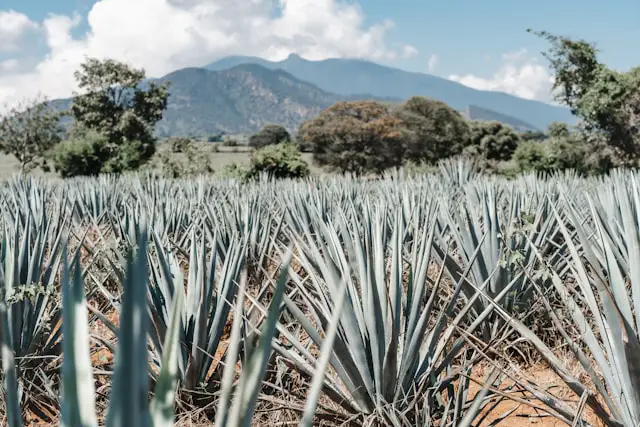

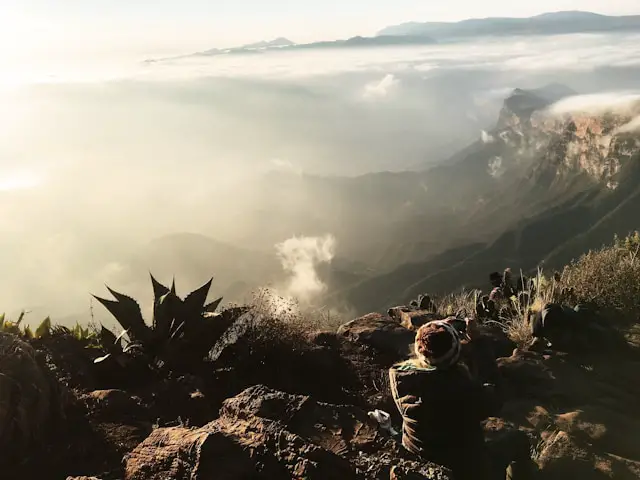
Just 40 minutes from San Miguel de Allende, La Lagunilla offers an authentic experience among magueys, artisanal pulque and traditional cuisine, by the hand of Doña Beatriz and Pancho, heading to Jalpa and with privileged views of the dam and Los Picachos.
Natural pulque and cured seasonal fruit, a living tradition in San Miguel de Allende, in the community of La Lagunilla with Doña Beatriz.
SAN MIGUEL DE ALLENDE, Gto.– The wind runs free between the hills and brings with it the aroma of the humid earth, the maguey and the living countryside.
In this small oasis of peace, hidden in the community of La Lagunilla, San Miguel de Allende keeps one of its best-preserved secrets: the artisanal pulque of Doña Beatriz, a woman who inherited not only a recipe, but a way of understanding life.
Natural pulque and cured seasonal fruit, a living tradition in San Miguel de Allende, in the community of La Lagunilla with Doña Beatriz.
It is there where Doña Bety welcomes visitors as if they were part of her family, with a frank smile and a jug of freshly served mead or pulque.
“Pulque is not made in a hurry or with machines, it is made with respect for the maguey and with the heart; that’s how my grandmother taught me,” shares Doña Bety, while explaining that since she was a child she watched her grandmother prepare pulque, take care of the “foot” and talk to the plant as if it were a living being.
It was not easy to achieve his own ferment: it took years of patience, rehearsal and learning, until finally pulque responded. Since then, its production has not stopped growing, always in an artisanal and respectful way.
Her husband accompanies the experience by taking visitors on a tour of the maguey field, where he explains that each plant that comes into production must be scraped and “cured” three times a day.
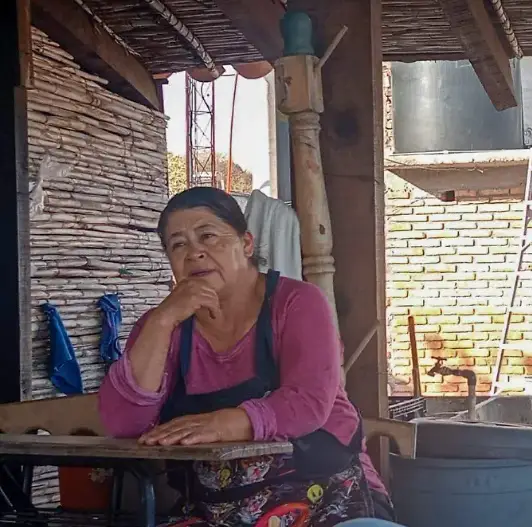
Doña Beatriz prepares and serves artisanal pulque, made with techniques inherited from her grandmother. / Photo: Andrés Téllez/El Sol del Bajío
If a single extraction is omitted, the maguey may stop producing, as if it resented the neglect. Each plant offers its mead for two or three months, depending on its strength and age; some give just one liter a day, others more generous allow you to fill a bucket among several magueys in process.
In addition to natural pulque, cured with seasonal fruit, available by reservation, and a thick, dark honey made from mead: from 10 liters you barely get one of honey, a scarce, intense product deeply linked to the flavor of the countryside.
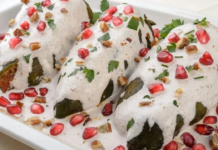
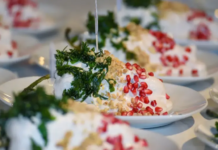
The experience is completed with Doña Bety’s cuisine. While the drink is enjoyed, she prepares traditional dishes with what the day offers: handmade quesadillas, nopalitos with chicharrón, frijoles de olla, rice with mole or a comforting chicken broth. All served without pretensions, but with a richness that speaks of knowledge transmitted by generations.
This experience takes on special relevance in 2026, when National Pulque Day is celebrated this Sunday, February 1, a date dedicated to recognizing an ancestral drink that was sacred in pre-Hispanic times and that today resists thanks to families like Doña Bety’s.
In many regions of the country, pulque continues to be a symbol of community, identity and respect for nature. In Otomí (Hñähñu), the maguey is known as ‘wada (fallen father), a plant that not only feeds, but teaches patience and balance.
Visiting Doña Bety in La Lagunilla is not just about tasting pulque: it is about understanding why this drink has survived for centuries, it is about listening to the maguey through those who take care of it and it is about feeling part of a home to which you inevitably want to return.
Source: El Sol del Bajio