
In 2025, Querétaro faced droughts, strong winds, the impact of cold fronts, and atypical rainfall, resulting in severe economic losses and human casualties. This year, Querétaro is among the areas affected worldwide by natural disasters, according to the International Climate and Catastrophe Insight 2026 report.
In the case of Mexico, flooding during the past rainy season resulted in $750 million in economic losses and 76 deaths, according to the report prepared by the London-based firm AON.
“Heavy rains that occurred between October 8 and 10 along the Gulf Coast and in central Mexico caused severe flooding and landslides, resulting in 76 deaths and damage to more than 50,000 homes, as well as thousands of schools, hospitals, and businesses. The event, caused by extreme and prolonged rainfall resulting from the interaction of the remnants of Hurricanes Priscilla and Raymond with a tropical disturbance in the Gulf, flooded large portions of Veracruz, Puebla, Hidalgo, San Luis Potosí, and Querétaro.
“The event was characterized by a high concentration of losses in residential homes, local infrastructure, and small and medium-sized businesses in areas with relatively low insurance penetration,” the report states.
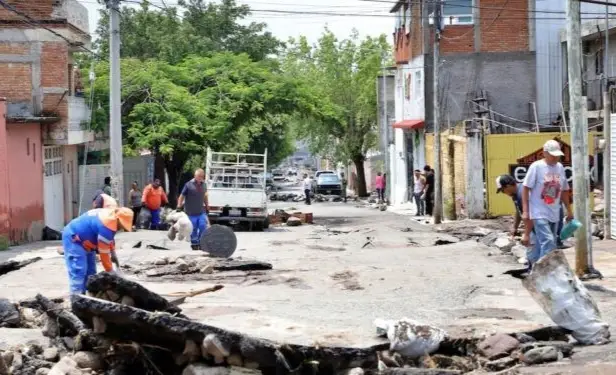
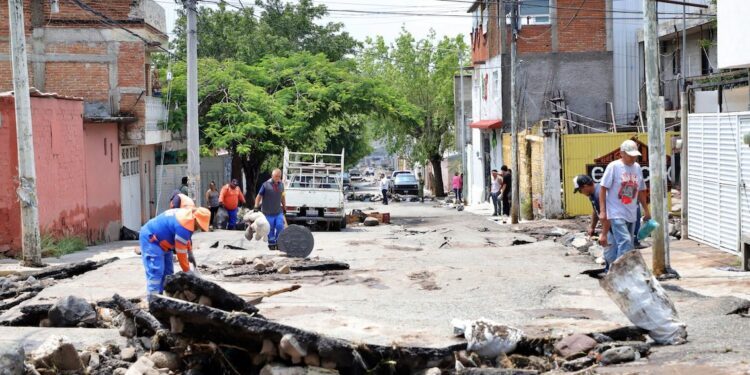
According to figures from the State Government and the Mexican Association of Insurance Institutions (AMIS), the rains in Querétaro caused economic damage exceeding 500 million pesos. primarily affecting road infrastructure, with 300 km of roads damaged, and the agricultural sector, impacting more than 3,000 hectares and some 20,000 producers.
An analysis by the Metropolitan Autonomous University (UAM) warns that climate change highlights the fragility of the urban and rural infrastructure of the state of Querétaro, which must be reviewed and adapted for a new future that entails greater urban growth due to the arrival of the Mexico City-Querétaro train and other industrial investment projects.
In the case of Hurricane Erick (June 15-20), southern and western Mexico were affected by damaging winds and intense rains, resulting in 21 fatalities and approximately $250 million in economic losses at the basin level, with Mexico bearing the brunt of the direct impacts.
The report states that globally, economic losses generated by natural disasters during 2025 amounted to $260 billion. The amount is below the historical average for the current century (US$287 billion) and is the lowest figure since 2015.
Although Hurricane Melissa did not directly impact Mexico, it was the most costly event in the Caribbean, with US$11 billion in economic losses and US$2.5 billion in insured losses, highlighting regional vulnerability and the interconnectedness of risks in the Gulf of Mexico and the Caribbean.
Globally, at least 42,000 people lost their lives due to natural disasters during this period, mainly from heat waves and earthquakes, a figure 45 percent lower than the 21st-century average.
The deadliest event of the year was the earthquake that struck Myanmar on March 28, causing 5,456 deaths, while heat waves resulted in more than 25,000 deaths and positioned 2025 as the third hottest year on record.
Thirty events with losses exceeding US$1 billion were identified, well above the average. Historically, severe convective storms accounted for $61 billion in insured losses. As a result, the global protection gap narrowed to 51 percent, largely because the United States accounted for 81 percent of insured losses worldwide.
The Climate and Catastrophe Insight 2026 report emphasizes the growing importance of alternative risk transfer to provide the necessary capital to help private organizations and the insurance industry mitigate threats and strengthen operational and financial resilience.
It calls for investment in smart technology and stronger infrastructure, as well as improved forecasting, resilient building standards, and infrastructure modernization to reduce long-term damage and accelerate the recovery of communities and businesses.
Source: plazadearmas