


The clashes and violence plaguing the country are impacting Mexico’s credit profile, Moody’s acknowledged today in its report: “The escalating confrontation with the cartels underscores security risks.”
“While higher levels of violence could have negative short-term effects, significant improvements in security would be positive in terms of long-term creditworthiness,” the report stated.
It further suggested that as long as the violence remains confined to areas that are not critical to macroeconomic activity, such as industry, manufacturing, or tourism, it does not anticipate significant credit implications.
“We consider security a key social risk for Mexico and a structural constraint on economic growth because it increases costs for businesses, including extortion payments, and worsens the operating environment,” the report added.
It noted that on February 22, the Mexican government announced that the armed forces had killed Nemesio Oseguera Cervantes, alias El Mencho, the leader of the Jalisco New Generation Cartel (CJNG).
Moody’s commented that violence erupted in some areas immediately after the operation, when security forces clashed with the cartel.
It stated that the death of El Mencho marks a significant turning point for the CJNG, given its extensive territorial reach and operational sophistication.
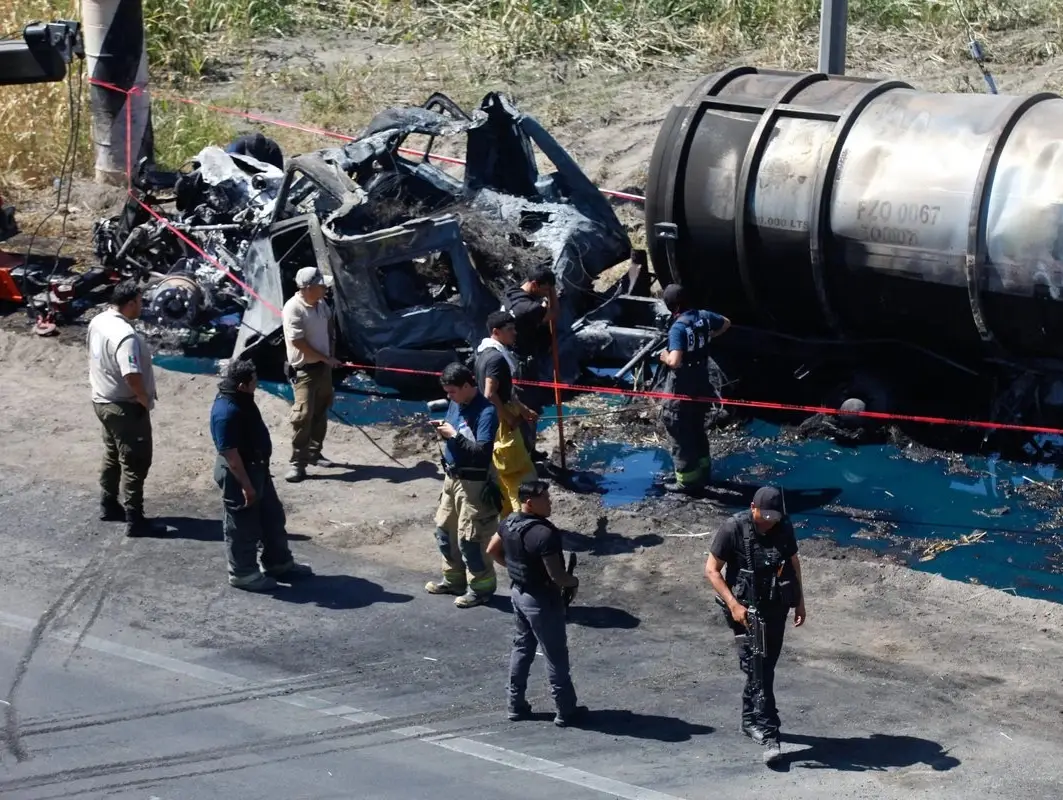
“Following the military operation, localized violence in areas with a strong cartel presence included road blockades and vehicle fires aimed at hindering the actions of security forces and demonstrating their power,” Moody’s said.
It highlighted that the rapid spread of disinformation, including images and videos generated with artificial intelligence (AI), intensified the perception of disorder.
“Although disinformation did not significantly disrupt financial markets or public services, it constitutes an emerging risk that can increase social anxiety, complicate crisis management, and test the institutional capacity for communication during security-related tensions,” the rating agency stated.
“Although short-term retaliatory actions by the CJNG and internal succession disputes are likely, previous clashes were typically brief and geographically confined,” the report stated.
“We believe that potential clashes pose a limited risk of spreading to major cities or significantly disrupting overall economic activity,” it added.
Moody’s stated that on the fiscal front, increasing spending pressures have led the government to reduce the security budget, but a renewed surge in violence could prompt a change of course and limit fiscal consolidation.
The financial institution highlighted that President Claudia Sheinbaum has shifted security policy compared to her predecessor, Andrés Manuel López Obrador, who avoided direct confrontation with the cartels.
It asserted that cooperation and information sharing between Mexico and the United States have also increased after declining under the López Obrador administration.
Furthermore, Moody’s highlighted that the Trump administration has emphasized the fight against cartels in Latin America and has designated them as terrorist organizations, “which increases the likelihood of direct US intervention, as occurred in Venezuela.”
“The government’s handling of episodes of violence that could intensify in the coming months will be crucial in light of the review of the United States-Mexico-Canada Agreement (USMCA), both for the bilateral relationship with the US and in the context of Mexico’s preparations to host the matches of the next World Cup,” Moody’s stated.
“So far, Sheinbaum has rejected direct US involvement, but her government’s actions, including direct attacks against the cartels and the extradition of their members wanted by the US judicial system, indicate a more direct approach to addressing this key risk for Mexico,” it concluded.

Source: jornada


