The Chinese market, although still with limited participation, is emerging as one of the segments with the greatest potential for the Mexican Caribbean, due to its high purchasing power and preference for cultural experiences.
Currently, Quintana Roo attracts between 1 and 2% of Asian tourism, with the goal of reaching 3%, reported Andrés Martínez Reynoso, director of the Quintana Roo Tourism Promotion Council (CPTQ).
This emerging market, comprised of 57 countries, represents a strategic opportunity to diversify the tourism offerings beyond sun and sand.
According to the Ministry of Tourism, 16,295 Chinese visitors arrived in Mexico in January 2026, representing a 15.7% increase compared to the same month in 2025. This growth confirms the importance of this market in the national tourism diversification strategy.
Cancun accounted for 26.6% of Chinese tourist arrivals in January 2026, solidifying its position as one of the top destinations for this segment, despite lacking direct flights from China. Travelers must endure journeys with layovers exceeding 30 hours, highlighting the need to improve air connectivity.
The average Chinese tourist spends over $2,000, while total spending by this market reaches $459 billion globally. In 2025, the Mexican Caribbean welcomed more than 57,000 Chinese tourists, representing 25.5% of the national total, confirming their significant presence within the country.
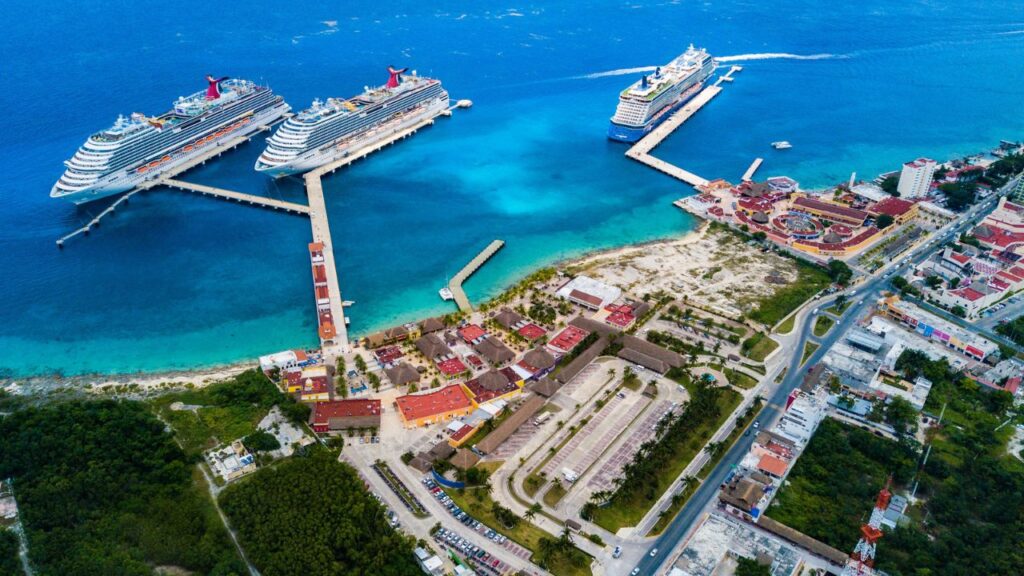
Mexico is fostering alliances with tour operators, airlines, and digital platforms, as well as promoting regional tours with Pacific Alliance countries. Meanwhile, Quintana Roo is advancing its tourism diversification beyond sun and sand, integrating products such as the Maya Train, the Mundo Maya (Maya World) attractions, and community-based tourism in destinations like Maya Ka’an, all aligned with the profile of travelers seeking authentic and sustainable experiences.
The lack of direct flights, limited promotion in the Chinese market, and competition from European and Asian destinations are factors hindering greater tourism growth. Representatives of the hotel sector, such as Jesús Almaguer Salazar, have emphasized the need to diversify markets and strengthen their presence in Asia, including Japan and Korea.
Despite these challenges, Chinese tourism continues its upward trend and is consolidating itself as a long-term strategic focus for the Mexican Caribbean. Its growth will depend on improving connectivity, strengthening promotion, and adapting the offerings to the evolving demands of international travelers.
Source: 24horasqroo