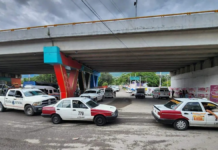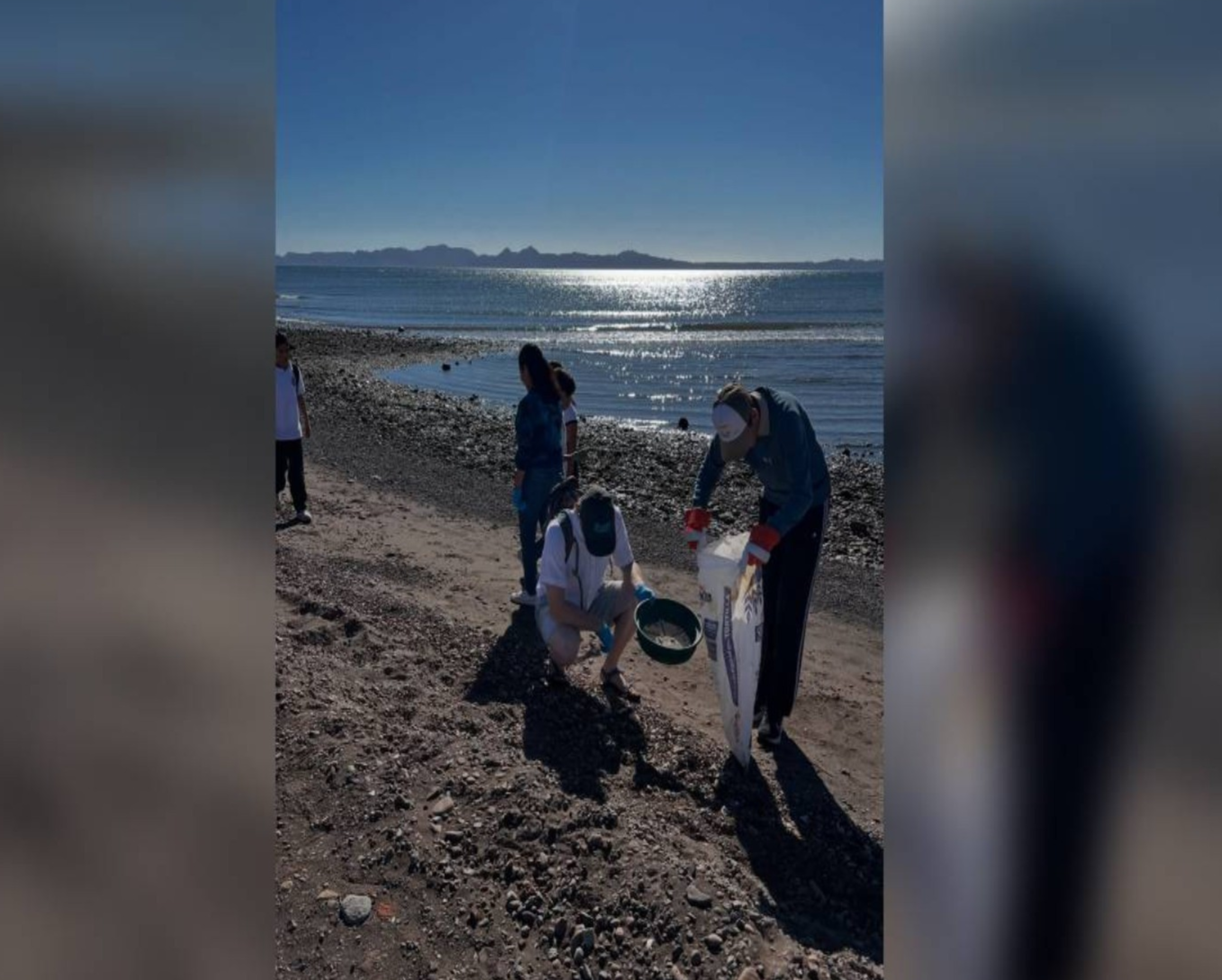

The organizations pointed out that it also represents a substantial change from a coastal port to a deep-water port. Photo: Eco Alianza Loreto A.C.
Forty organizations that make up the alliance “Whale or Gas?” rejected the presidential decree that allows cruise ships to enter the Port of Loreto, in Baja California Sur, arguing that it puts the habitat of the blue whale and local economies at risk. They demanded that Mayor Claudia Sheinbaum reverse the decision.
In a statement, the organizations pointed out that it also represents a substantial change from a coastal port to a deep-water port.
“The decree contradicts the designation of Loreto Bay as a National Park and World Heritage Site; its management program as a Protected Natural Area expressly mentions mega-cruise ships and cruise ships as a threat to the blue whale,” the association explained.
They pointed out that the same conditions they have denounced for nearly two years against Liquefied Natural Gas (LNG) projects in the Gulf of California apply to this new provision.
In that regard, the environmental and climate organizations that signed the statement called on the authorities to reverse this “ill-advised” and unconstitutional decision.
“Megacruise ships have a long history of environmental impacts that destroy whale habitats and force them to alter their behavior and migration patterns. The noise from these gigantic vessels, similar in size to LNG carriers, deafens, disorients, and harms whales.”
They emphasized that these ships load and unload ballast water, which means they take on water from other locations to provide stability during navigation.
“This loading and unloading process severely pollutes marine ecosystems and introduces invasive species that can have significant consequences.”
“To make matters worse, economic evidence also points to the megacruise industry for its negative impacts on local economies. Loreto currently depends on whale watching, fishing, and small-scale tourism activities,” he stated.
Read more: CFE’s gas-fired power project in Los Cabos threatens whale shark habitat, environmentalists warn
He continued: the arrival of cruise ships alters the local economy, eliminating or significantly impacting the independent activities of the residents. For these reasons, the people of Loreto have organized to demand adequate protection for their livelihoods and for the blue whales.
Ninety-two cases of whale strandings have been recorded in the last breeding season in Baja California Sur, which runs from December 2024 to April 2025, according to data from NOAA Fisheries (NMFS).
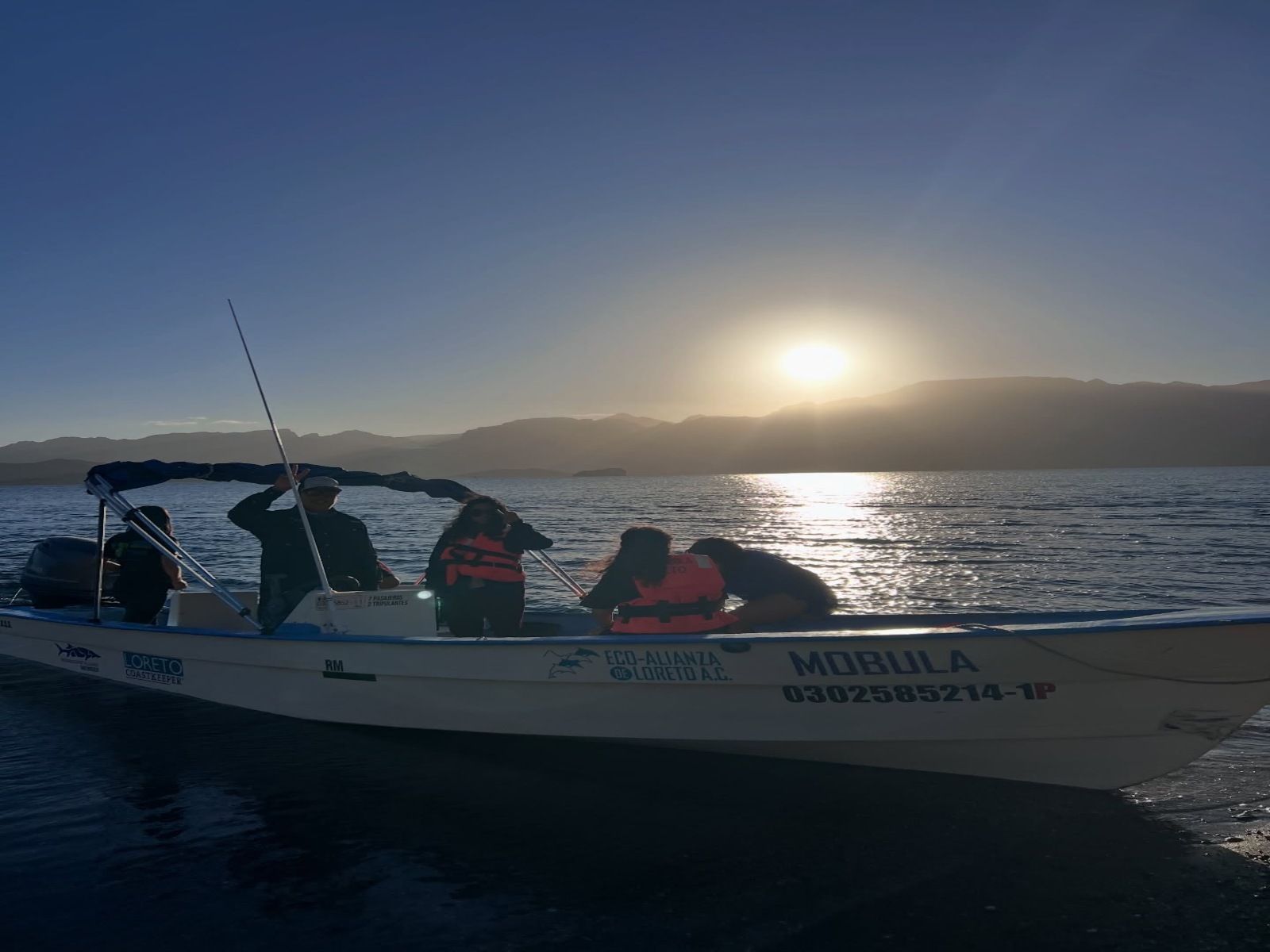
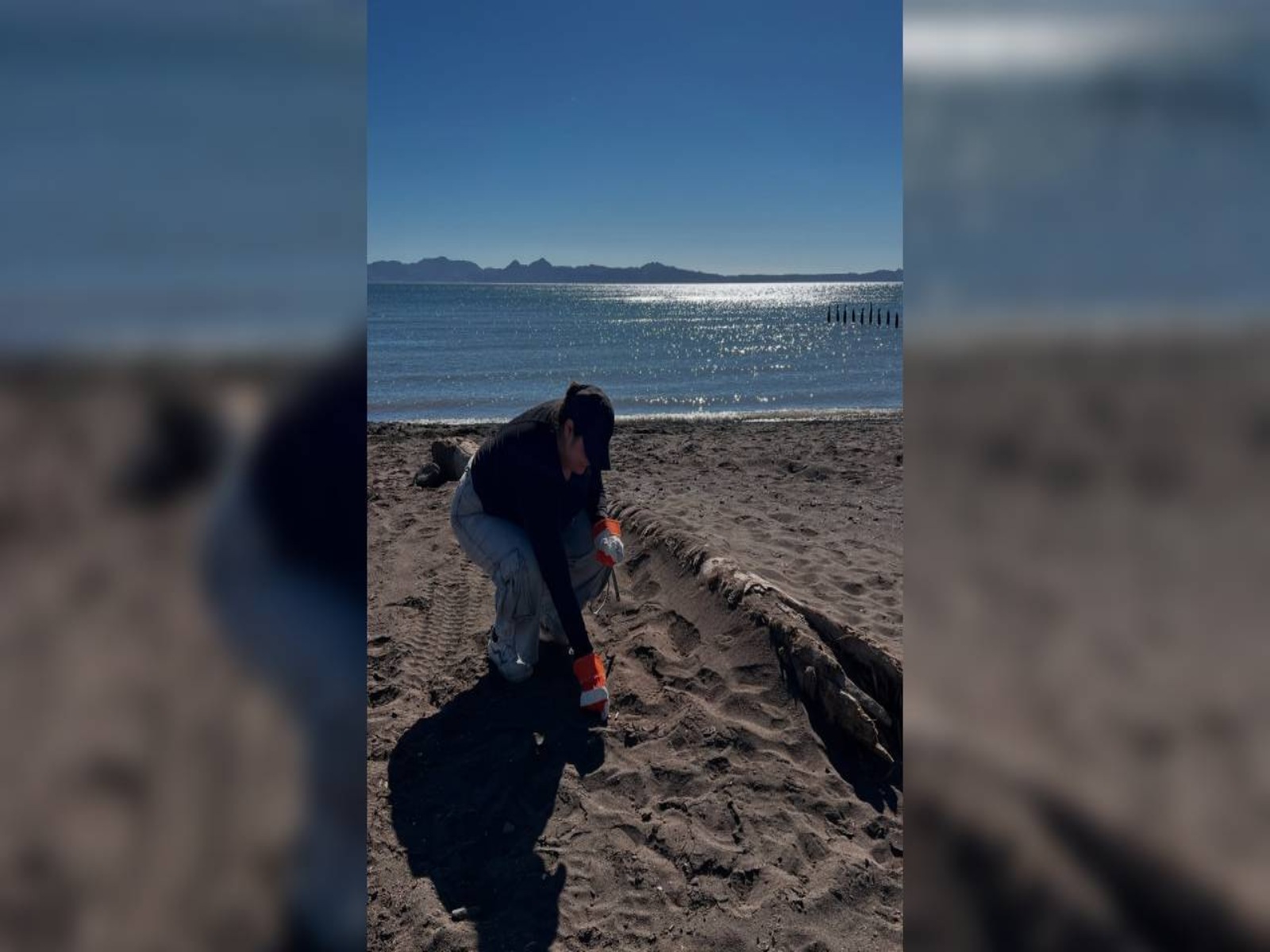
According to Francisco Javier Gómez Díaz, director of the Whale Museum in La Paz and an active member of the Baja California Sur Stranding Network, there is no evidence of human intervention in these stranded whales. Many likely died at sea and were carried by coastal currents, he explained.
Furthermore, records detail a drastic decrease in the number of sightings; a significant drop in births; and a worrying increase in whales in poor physical condition—that is, thin animals with such reduced fat reserves that, in some cases, their bones are visible under the skin. Experts maintain the hypothesis that the decrease in food in the Arctic, resulting from the loss of sea ice, combined with changes in water temperature, contributed to the whales’ weakening and death.
“What we have seen leads us to believe that they arrived malnourished, which made them much more vulnerable and prone to stranding,” said Lorena Viloria Gomorra, a researcher with the Marine Mammal Research and Monitoring Program (PRIMMA).
Source: grupoanimal