
Yucatán has been crowned the state with the highest concentration of the 158 known physical markets for counterfeit and pirated goods in Mexico, located in 61 municipalities across the country.
According to the most recent study by the Mexican Institute of Industrial Property (IMPI), the southern state has 29 known piracy markets, 27 of which are located in its capital, Mérida.
With this figure, Yucatán ranks above states like Mexico City, which has nine identified locations; Tamaulipas, with 11; and even Jalisco, which reported 13 known markets, making it the second state with the most detected locations in the country.
The high number of piracy locations in Yucatán, according to IMPI, is largely due to the high concentration of stores selling Asian-made products where counterfeit goods are sold. In addition, the San Benito Market is a major hub for these types of products.
Among the items identified, the segment with the highest number of counterfeit goods is clothing and accessories, accounting for 49% of the total detected, followed by bags, wallets, and backpacks, with 16% of counterfeit merchandise.
Cosmetics and personal care items are also among the most counterfeited products, representing 14% of the detected counterfeit goods, a percentage similar to that of food, footwear, electronics, and cell phones.
Beyond the southern state, piracy in Mexico has become a growing activity. Authorities estimate that in 46% of the identified markets—equivalent to 68 establishments—more than half of the products sold are counterfeit or pirated.
Economically, this industry generates significant profits. In just four markets located in Tamaulipas, Guanajuato, and Yucatán, daily sales reach up to 500,000 pesos.
However, the sector also causes various economic problems. The study identified at least three negative impacts in 48% of the markets analyzed, including:
Decreased sales in local formal businesses (67%)
Tax evasion (60%)
Intellectual property rights violations (58%)
Reduction in formal employment (24%)
Decreased investment in the states (13%)
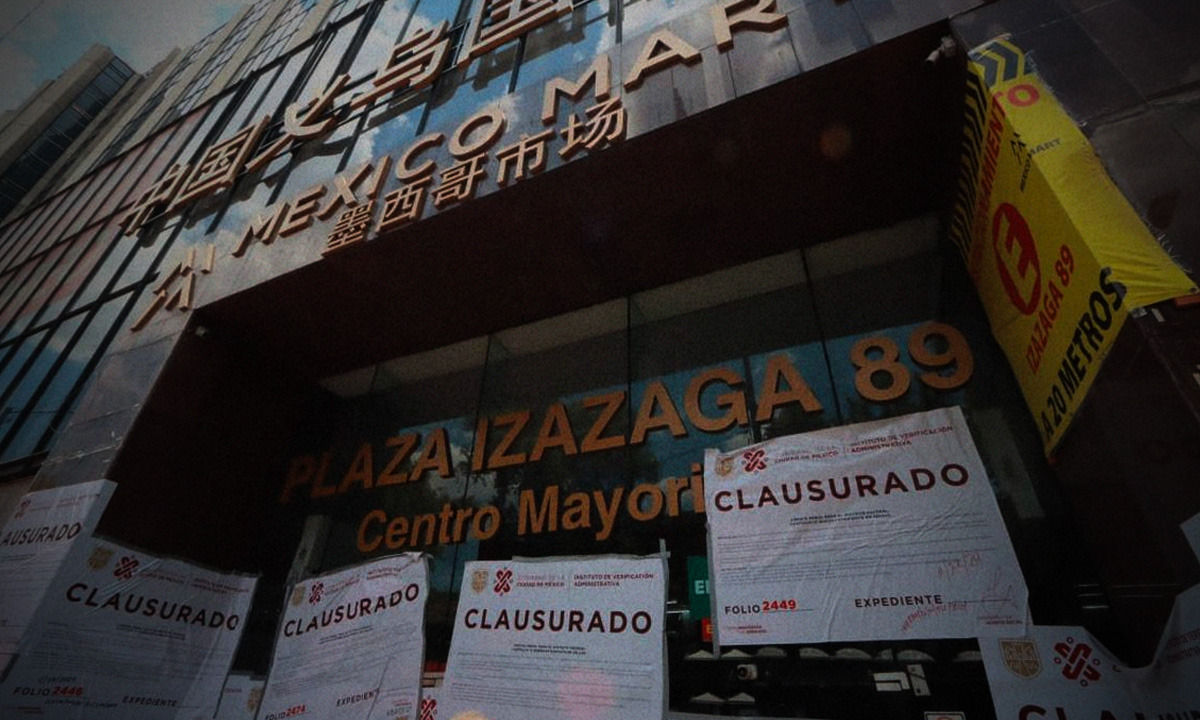
This situation has led state and federal authorities to implement clean-up operations, especially in five of the 10 states with the most notorious markets identified.
Source: elceo