
The U.S. Department of Justice (DOJ) issued an internal directive instructing federal prosecutors to use terrorism laws when prosecuting Mexican officials involved in drug trafficking, according to an investigation published by The New York Times (NYT) based on statements from a senior U.S. official.
According to the newspaper, the new directive was formally communicated last Wednesday by Aakash Singh, Associate Assistant Attorney General, during an internal conference with prosecutors from various regional offices.
Singh, whose responsibilities include setting priorities for the nation’s 93 federal prosecutors, urged his colleagues to increase investigations against foreign public officials. According to the official consulted by the NYT, Singh stated that the number of indictments against corrupt Mexican government officials who use their power and positions to enable terrorists and traffickers should be tripled.
The legal basis for this strategy dates back to last year, when President Trump signed an executive order designating drug cartels as terrorist organizations. This designation now allows prosecutors to pursue charges for providing material support to terrorist organizations, in addition to traditional drug trafficking-related offenses.
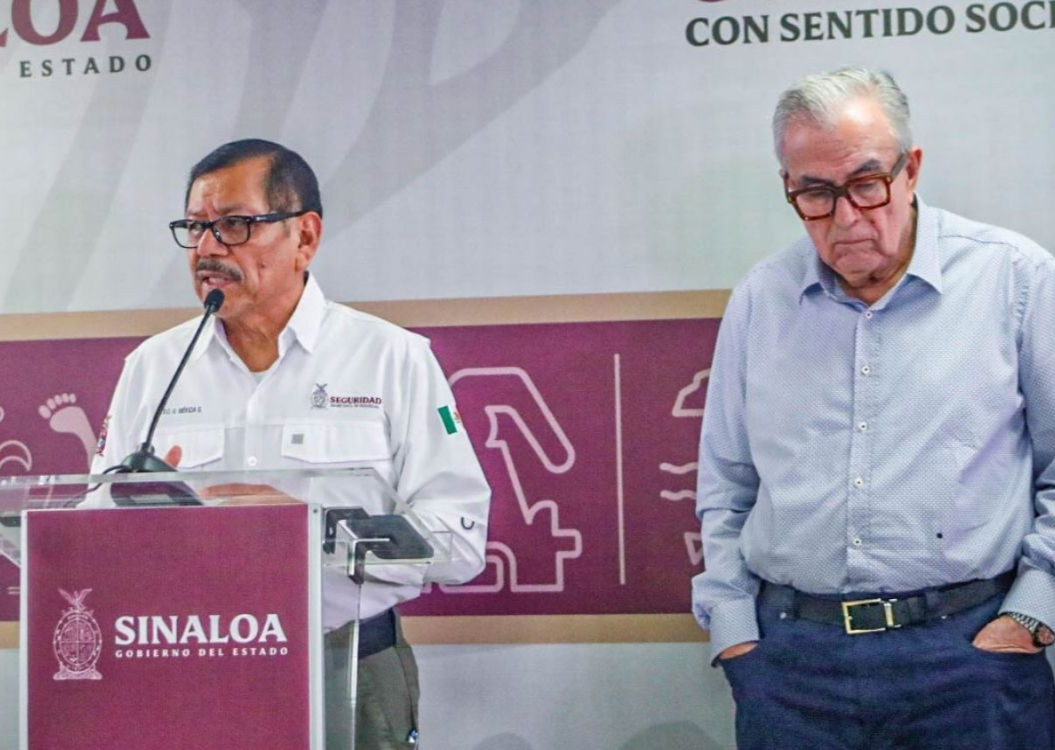
The news was released this Monday, weeks after the Justice Department unsealed the formal drug trafficking indictment against the former governor of Sinaloa, Rubén Rocha Moya, and nine current and former officials.
It also comes four days after the arrest in Arizona of Gerardo Mérida Sánchez, former Sinaloa security secretary during Rocha Moya’s administration.
Mérida, a retired army general, is one of the main defendants in the case brought by the U.S. Attorney’s Office for the Southern District of New York.
According to the indictment, politicians and security officials linked to the former governor allegedly received millions of dollars in bribes and electoral support in exchange for protecting the Sinaloa Cartel, specifically the “Los Chapitos” faction, allowing its members to operate with impunity.
Along with Moya and Mérida, several figures still holding official positions are also accused, including Juan de Dios Gámez Mendívil, former mayor of Culiacán, the capital of Sinaloa, who has also requested a leave of absence, and Senator Enrique Inzunza Cázarez.
Shortly after the accusation became public, Rocha requested a temporary leave of absence as governor, and a federal judge temporarily blocked his arrest and extradition to the U.S. last week.
Meanwhile, Mexican President Claudia Sheinbaum has repeatedly insisted that the U.S. accusation lacks conclusive evidence.
The case has opened a new front of friction between Mexico and Washington, where U.S. President Donald Trump has asserted in recent days that the neighboring country is governed by cartels and that if local authorities do not take action, the U.S. will.
Source: aristeguinoticias