
Although 100.2 million people use the internet in Mexico, a lack of digital literacy keeps millions of inhabitants excluded, primarily in rural communities and vulnerable sectors.
Although more than 100 million Mexicans use the internet to study, work, and communicate, a lack of technological literacy perpetuates a digital divide that deepens social and educational inequalities.
The internet has transformed daily life in Mexico. Today, millions of people depend on connectivity to study, work, research, conduct business, entertain themselves, or stay in touch with family and friends. Classes are taken, bills are paid, purchases are made, and information is accessed in a matter of seconds, all from a cell phone.
However, while the country is rapidly moving toward a digital society, millions of people, mostly in rural communities, remain excluded from this technological environment.
In observance of World Internet Day, commemorated on May 17, the National Institute of Statistics and Geography (INEGI) released figures reflecting not only the historic growth of internet connectivity in Mexico, but also the persistence of a digital divide that continues to exacerbate social, educational, and economic inequalities.
According to the report “Statistics for World Internet Day,” 100.2 million people currently use the internet in the country, representing 83.1 percent of the population aged six and older.
This figure reflects a rapid transformation in less than a decade. Between 2015 and 2024, the percentage of users grew by 25.7 percent, rising from 57.4 to 83.1 percent of the population.
Digital growth has transformed virtually every aspect of daily life. Eight out of ten Mexicans say the internet has ceased to be merely an entertainment tool and has become an indispensable resource for education, communication, work, and research.
Currently, students consult educational platforms, take virtual classes, and complete online assignments; workers use digital applications to work remotely; while millions of people rely daily on social media, video calls, and digital services to stay connected.
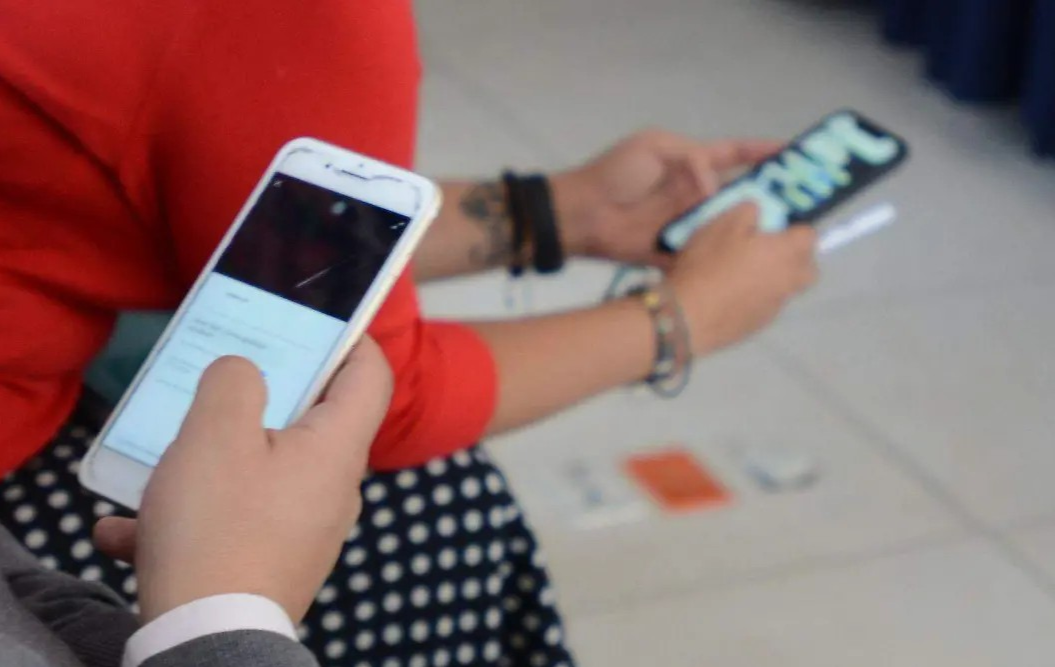
Access to the internet in Mexico also occurs primarily through mobile devices. INEGI reported that 97.2 percent of users connect via smartphone, while only a minority use laptops or desktop computers.
This data reflects a significant reality for many Mexican families, as the cell phone represents the only tool available to access the digital environment.
Although this has expanded connectivity, it has also revealed limitations in educational and work processes, especially during the COVID-19 pandemic, when thousands of students had to take classes from mobile devices, share equipment with other family members, or face constant connection problems.
Despite the growth in digital access, the digital divide remains one of the country’s main challenges.
The INEGI report indicates that around 20 million people in Mexico still do not use the internet. Most importantly, the main reason is no longer solely economic.
Of those who do not use the internet, 56.1 percent said they do not know how to use it, while 16.5 percent said they do not need it, and 10.8 percent indicated they do not have sufficient resources to access the service.
The figure highlights that the digital divide is no longer solely related to infrastructure or access to devices, but also to a lack of technological literacy.
Older adults, residents of rural communities, and vulnerable sectors continue to face difficulties integrating into an increasingly digital environment, where conducting transactions, accessing information, and using technological platforms have become part of daily life.
The study warns that this exclusion can generate greater educational and labor inequalities, particularly in a context where access to digital tools directly influences learning opportunities, employment, and economic development.
The digital divide also impacts the productive sector. According to INEGI (Mexico’s National Institute of Statistics and Geography), only 26.5 percent of the country’s economic units use the internet to carry out their activities.
While large companies are advancing in digitalization processes, online sales, and promotion through social media, thousands of small businesses remain technologically behind, limiting their growth and competitiveness.
There is even a marked difference between large companies and micro-businesses. While 93.1 percent of large businesses use the internet, the percentage for small businesses barely reaches 23.6 percent.
The internet has revolutionized how people learn, communicate, and access information in Mexico. Today, millions of people have digital tools at their fingertips that can connect them to the entire world from a mobile device.
However, the challenge for the country is no longer just expanding internet coverage, but ensuring that everyone has the necessary skills to participate in this technological transformation.

Source: oem