
The intricate web of bilateral relations between Mexico and the United States is currently facing one of its most contentious episodes—one of significant geopolitical consequence—stemming from a series of operational and intelligence-driven measures spearheaded by the U.S. security apparatus. What was managed during the previous administration through a policy of containment and nationalist rhetoric has now escalated into a realm of direct confrontation, wherein the Mexican consular network within U.S. territory is undergoing rigorous scrutiny. This heightened oversight is driven by well-founded suspicions regarding electoral interference, the misappropriation of public funds, and alleged ties to structures associated with so-called regional “narco-politics.” The appointment of high-profile political figures to diplomatic posts—coupled with a reconfiguration of priorities within the U.S. Department of State in Washington—has placed approximately twenty Mexican diplomatic missions under priority surveillance. This situation has opened a new front of international tension that threatens to dismantle the traditional channels of dialogue between the two nations.
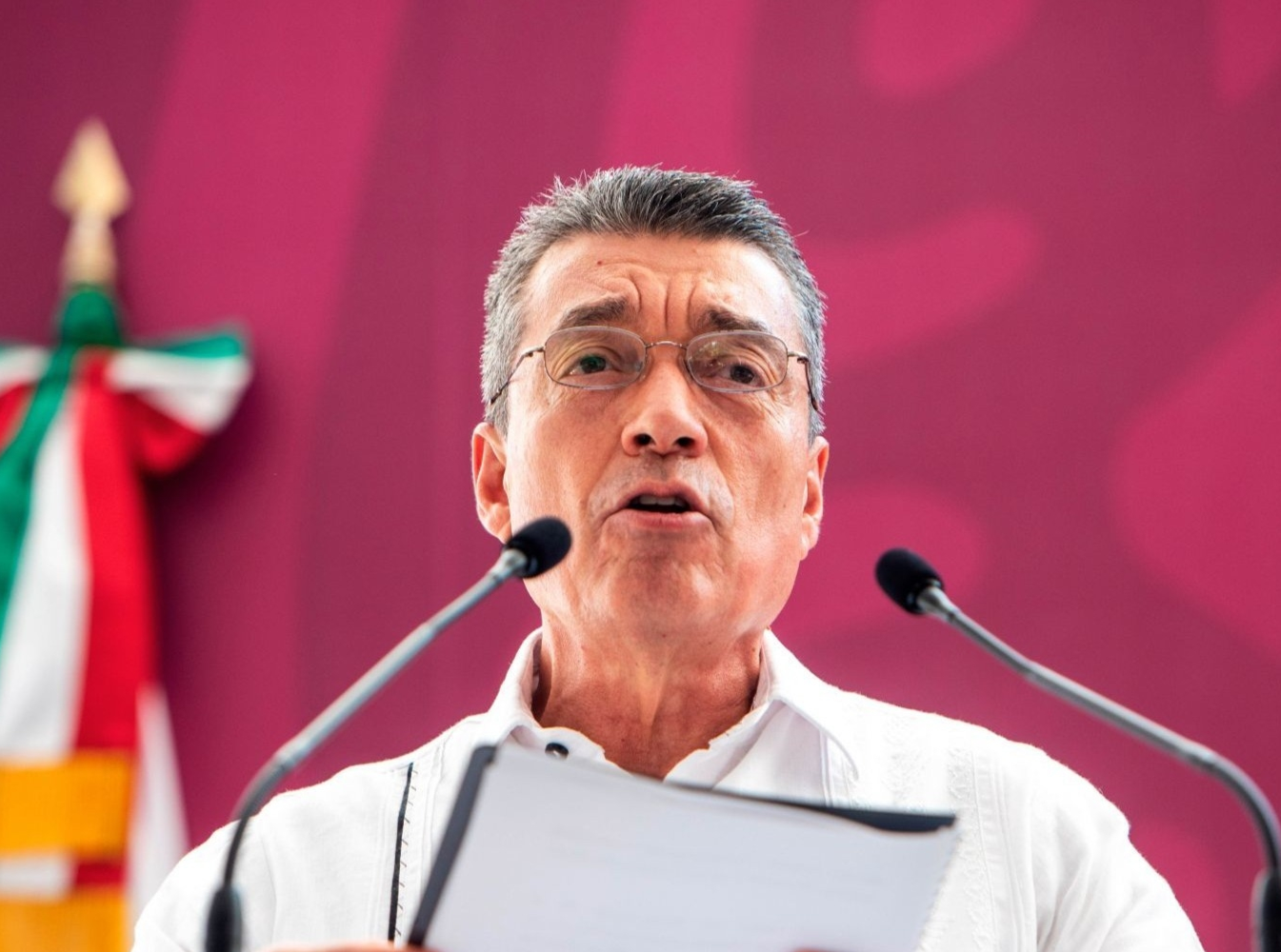
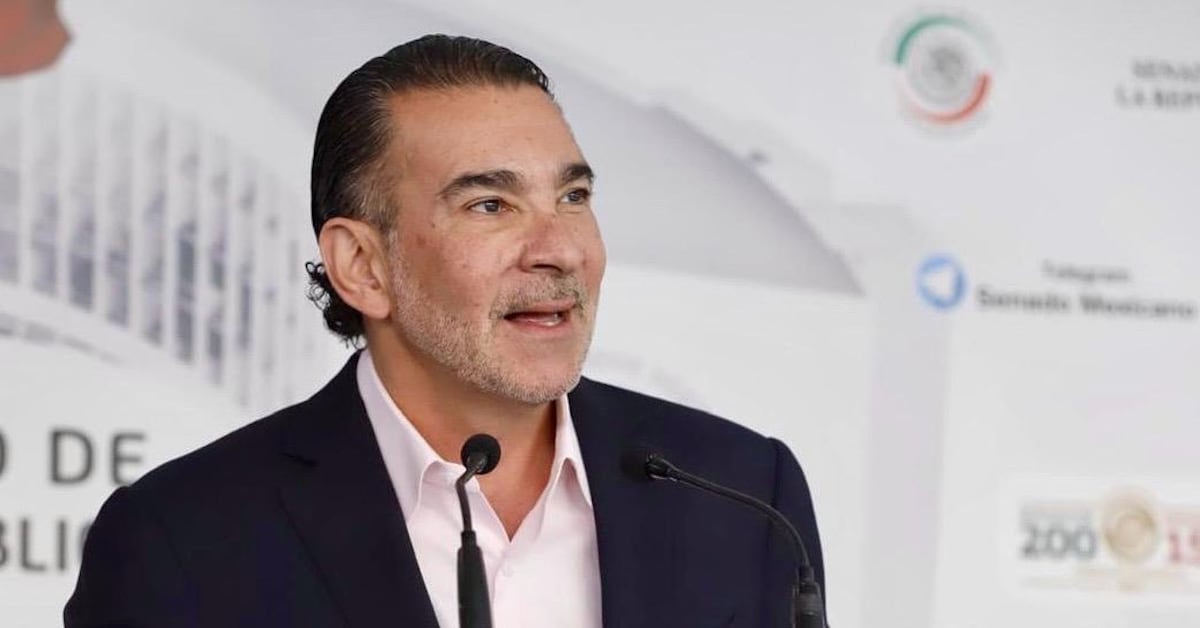
A primary and particularly significant target of this diplomatic and institutional offensive is the Consulate General of Mexico in Miami, Florida—a strategic post currently headed by the former Governor of the state of Chiapas, Rutilio Escandón Cadenas. Escandón’s presence on U.S. soil has faced severe criticism within the corridors of the Department of State and the foreign relations committees in Washington, largely due to his close political and familial ties to the “Tabasco political group.” This faction is led by former Secretary of the Interior Adán Augusto López Hernández—Escandón’s brother-in-law. International affairs analysts contend that the appointment of former state governors to key diplomatic positions—far from reflecting a strategy based on career advancement or professional merit—has been systematically utilized by the “Fourth Transformation” regime as a mechanism for political shielding, impunity, and “golden exile.” This strategy serves to shelter figures whose tenures in office were characterized by escalating violence, territorial control by organized crime, and administrative opacity. The controversy escalated dramatically following the circulation of a highly critical message issued by Senator Luis Armando Melgar—a prominent member of Mexico’s Green Ecologist Party and a perennial contender for the governorship of Chiapas. In a development interpreted by analysts as a fundamental rift within the ruling coalition itself, Melgar openly denounced the existence of networks of political protection and demanded an immediate end to the impunity shielding the Consul in Miami. This accusation—leveled against Escandón by a fellow Chiapan politician—not only exposes the internal fractures and erosion of the ruling bloc but also validates the narrative of U.S. intelligence agencies, which characterize certain sectors of the Mexican diplomatic corps as operational extensions of the country’s narcopolitics. The demand for a thorough review of the status and activities of Mexico’s 53 consulates in the United States has ceased to be a mere bureaucratic formality; it has evolved into a high-impact political statement that lays bare Washington’s absolute loss of institutional trust.
The roots of this mistrust lie in former President Andrés Manuel López Obrador’s persistent intent to meddle in the internal affairs and electoral processes of the United States. For years, the official rhetoric emanating from his daily morning press conferences openly boasted of his administration’s capacity for mobilization and influence—specifically, its ability to sway the votes of the more than 38 million Mexicans and people of Mexican descent residing in the United States. This stance—characterized by international analysts as a strategy of geopolitical blackmail—was employed as a bargaining chip against the administrations of both Donald Trump and Joe Biden to deflect criticism regarding human rights and security issues. Operating under a logic of “ideological export”—akin to models implemented by the Cuban government in decades past—the current regime attempted to weaponize its consular network, transforming it into an apparatus for political indoctrination and the cultivation of electoral sympathies. The goal was to pressure U.S. authorities and insulate the regime’s own political project from any external scrutiny.
This strategy of electoral interference has been historically documented through various episodes—such as the orchestrated mobilizations, coordinated by consular operatives, aimed at harassing Mexican opposition figures during their working visits to cities like New York or Madrid during campaign periods. Furthermore, the historical press record chronicles the controversial statements and public stances taken by high-ranking officials within the Mexican Foreign Ministry—including past appeals issued by former Foreign Secretary Marcelo Ebrard, who openly urged voters to support specific U.S. political factions under the banner of fighting xenophobia. The current government’s recurrent complaints regarding alleged foreign interventionism stand in stark contrast to its own practices of meddling in the domestic politics of its primary trading partner—a discursive double standard that has finally exhausted the patience of decision-makers in Washington.
The gravity of the current situation coincides with the significant editorial impact of a recent political bestseller published in the United States, titled El golpe invisible (The Invisible Coup)—a work authored by a renowned political scientist named Scher. The volume—which has rapidly ascended to the top ranks of sales and discussion within North American power circles—advances the thesis that the Mexican State has deliberately implemented the management of migratory flows and the instrumentalization of its robust consular network—the largest in the world within a single country—as an asymmetric weapon designed to undermine the sovereignty and democratic stability of the United States. The dissemination and assimilation of this narrative within U.S. congressional committees explain the speed and rigor with which key figures in the new North American foreign policy establishment—such as Marco Rubio—have ordered the immediate scrutiny of the diplomatic and financial activities of Mexican government representatives on U.S. soil.
While the international front is rapidly becoming more complicated, the Mexican domestic sphere faces an equally bleak outlook regarding economic matters and financial sustainability. Amidst an analysis of the national situation, news broke regarding the leak of a confidential administrative memorandum issued by the agencies responsible for the Federal Government’s budgetary management—specifically those linked to the structures of the Secretariat of Finance and Public Credit. This official document confirms what various financial and independent analysts have been persistently warning about: the existence of a severe liquidity crisis that places the current administration in a state of technical government insolvency—a situation stemming from the systematic squandering of public resources and the failure to create conditions conducive to attracting productive investment over the past seven years.
The text of the memorandum categorically stipulates that all financial transactions, digital tax receipts, and liabilities corresponding to the 2025 fiscal year and prior periods shall be frozen and subject exclusively to the opinion, ruling, and criteria unilaterally determined by the Secretariat of Finance. In practical terms, this administrative provision signifies the total and indefinite suspension of pending payments to the network of federal public sector suppliers and contractors that provided services or delivered supplies during previous years. The government directive mandates that the acceptance of supporting documentation focus strictly and solely on services accrued during the current 2026 fiscal year, leaving hundreds of domestic companies—which financed the operations of key agencies such as the health and energy infrastructure sectors—in a state of total legal and financial uncertainty.
In the view of experts, the implementation of these discretionary criteria—along with the adoption of complex administrative acronyms to mask a lack of funds—reflects the collapse of an economic model based on welfare spending and the depletion of institutional reserve funds. Lacking a policy for wealth generation and legal certainty, the “Transformation” regime has turned the national economy into an engine of impoverishment and recessionary stagnation. The deliberate delay in fulfilling contractual obligations to State suppliers not only stifles the national productive apparatus but also foreshadows a deepening economic slowdown and a rise in formal unemployment rates over the coming quarters.
Thus, President Claudia Sheinbaum’s administration finds itself gripped by two simultaneous, mutually reinforcing crises: on one hand, the dismantling of its diplomatic influence network in the United States, driven by the imminent imposition of sanctions and the revocation of credentials for officials implicated in corruption and narco-politics; on the other, the exhaustion of domestic public finances, which compels the State itself to default on its debts. The official insistence on blaming external factors—or diverting public attention toward sterile historical debates—proves insufficient in the face of the irrefutable weight of financial documents and international intelligence reports. The reckoning for the political and economic costs of an administration characterized by opacity and institutional confrontation has begun, marking a definitive crossroads for the immediate future of Mexico’s democratic and sovereign stability.
Source: trendingnews24