
The Zacatecas State Human Rights Commission (CDHEZ) has opened an investigation against the Cuauhtémoc city council for its Mother’s Day celebration, which featured a stripper show and was attended by children.
The celebration took place on May 11th and was organized by the municipal government headed by Mayor Francisco Javier Arcos Ruiz. The event was even broadcast live on the city council’s official social media channels.
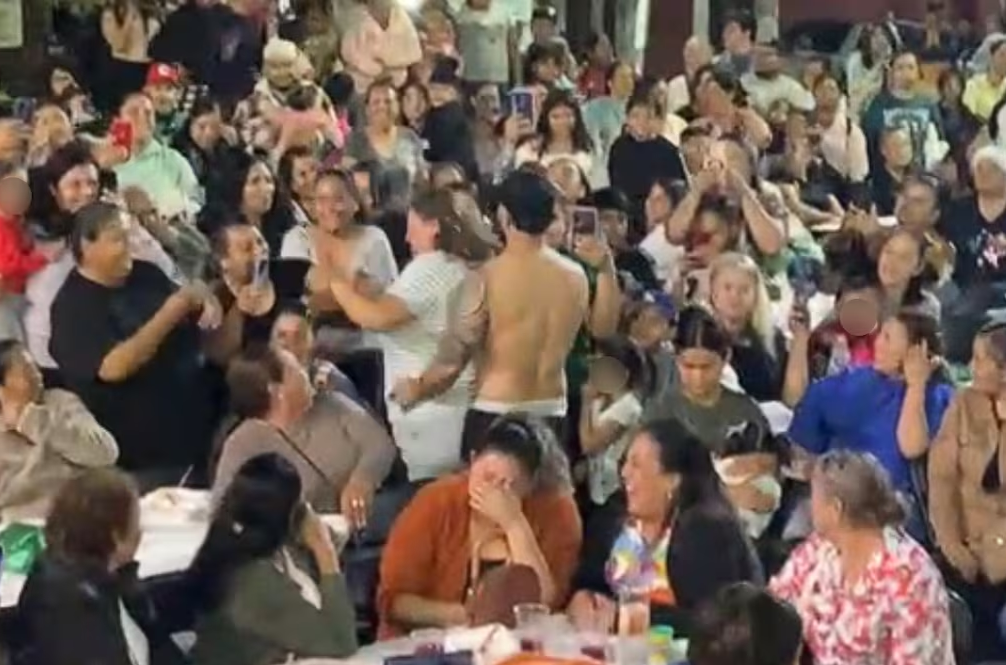
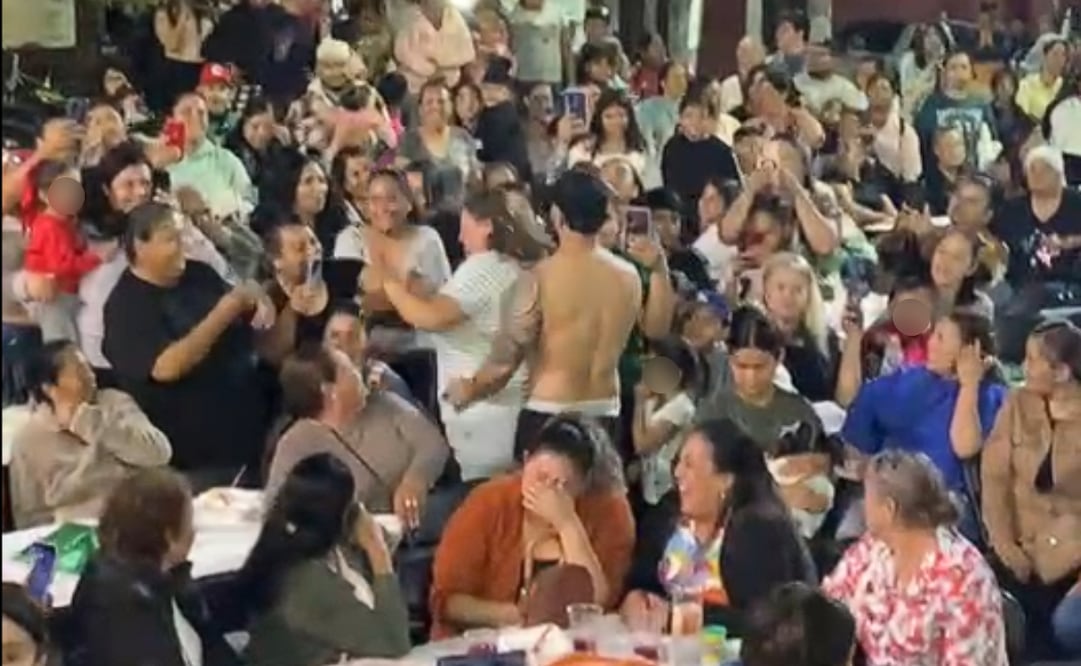
The recordings show the exotic dancers beginning to undress on stage and then descending from the platform to interact directly with the mothers in attendance.
During their walk among the tables, children accompanying their mothers can also be seen. While some of the strippers performed suggestive dances, one of them lowered his underwear to reveal his thong.
Therefore, this Wednesday, the CDHEZ (Zacatecas State Human Rights Commission) reported that, due to these events and as a result of an investigation, “information was obtained that led to the initiation of an official complaint regarding acts attributable to public servants of the Cuauhtémoc, Zacatecas, City Hall, in which a possible violation of the rights of children and adolescents, as well as women who attended a Mother’s Day festival, is suspected.”
In a statement, it was specified that, based on the information gathered, “possible acts are suspected that could constitute violations of children’s rights, particularly regarding their psychological and emotional well-being and their right to develop in safe environments, free from violence and age-inappropriate behavior.”
The autonomous body also emphasizes that the corresponding investigations have been initiated to clarify the facts and determine any potential liability of the public officials involved, as the best interests of children and women’s right to a life free from violence will be prioritized at all times.
In the statement, the Zacatecas Human Rights Commission (CDHEZ) expresses its absolute rejection of any practice, conduct, or expression promoted from public or institutional spaces that could affect the dignity, well-being, and healthy development of children and adolescents.
Likewise, it warns of “the need to avoid practices, messages, or dynamics that reproduce sexist stereotypes, symbolic violence, or forms of objectification and discrimination against women in public events, especially when these are promoted by government institutions and take place in family or community contexts.”
In addition to urging the authorities and public entities responsible for organizing community events to incorporate in a cross-cutting manner the approaches of human rights, gender perspective, best interests of the child, intersectionality and interculturality, prioritizing actions that strengthen inclusion, respect and the construction of spaces free of violence.
Source: eluniversal