
In a neighborhood on the outskirts of Tuxtla Gutiérrez, a mother walks through her yard before sunset. She empties the bucket that collected rainwater, pours out the old water from the dog’s bowl, and checks the tire that has been sitting beside the fence for months. She doesn’t do it out of habit—she knows that every puddle of standing water could become a breeding ground for the mosquito that can make her family sick.
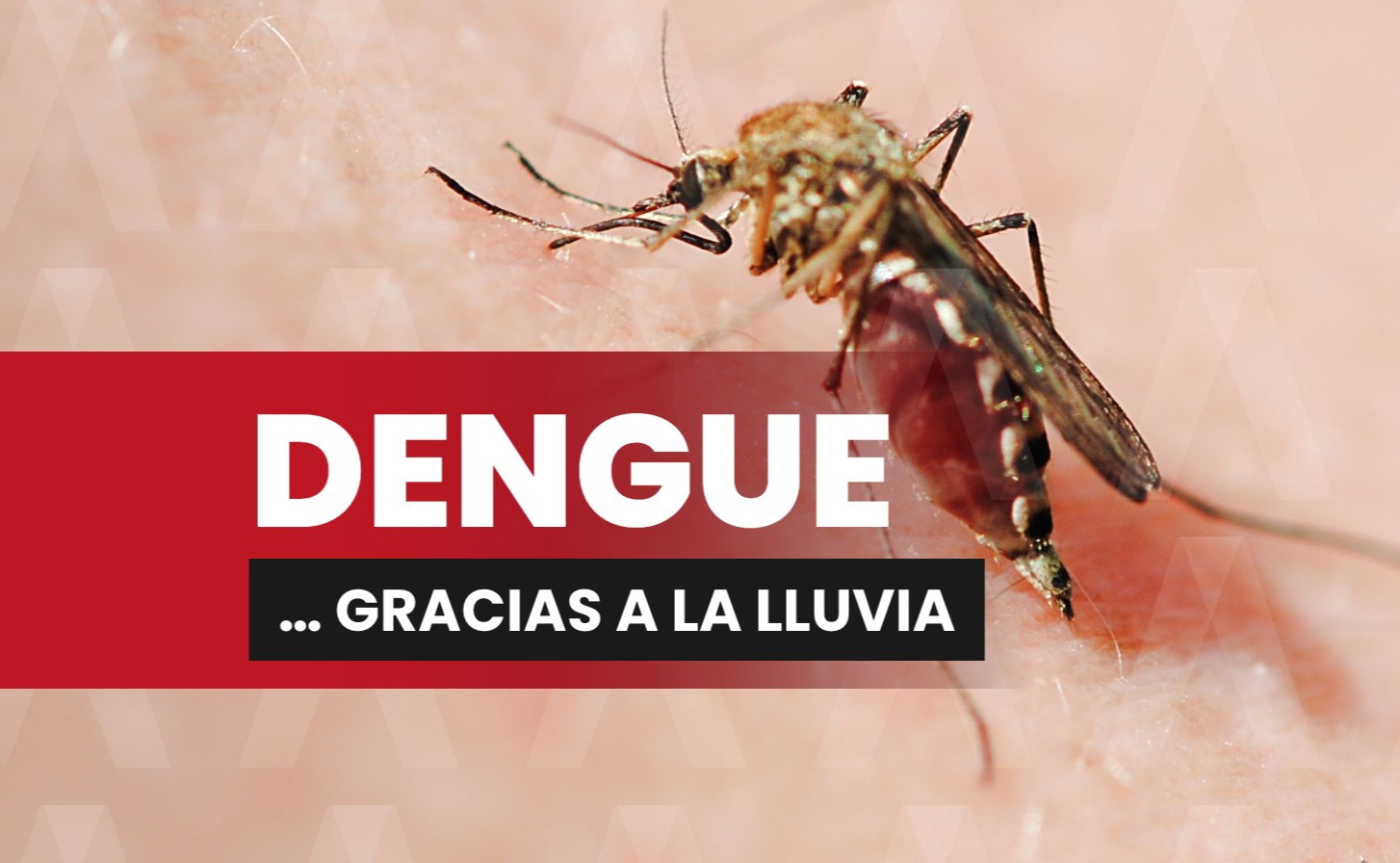
That daily routine reflects the battle Chiapas faces every rainy season. With the heavy rainfall forecast by the National Meteorological Service, the Federal Ministry of Health and the Chiapas Health Institute have intensified dengue prevention efforts in the highest-risk areas, where accumulated water multiplies the breeding sites of the Aedes aegypti mosquito, which transmits dengue, Zika, and chikungunya.
Why the rains increase the risk
The Aedes aegypti mosquito lays its eggs in containers filled with clean, stagnant water, most of them located inside homes. According to the Ministry of Health, about 80% of mosquito breeding sites are found inside houses or in their yards: flower vases, water barrels, tires, buckets, uncovered water tanks, and forgotten containers. Every rainy season, these containers fill with water and the mosquito’s life cycle accelerates, making the weeks with the heaviest rainfall also the weeks with the highest transmission.
Key dengue statistics in Chiapas
- 87 confirmed cases so far in 2026, according to the Federal Ministry of Health’s Dengue Epidemiological Report, compared with 247 during the same period in 2025.
- Zero dengue-related deaths in the state: Chiapas has gone more than one year without reporting a death from the disease.
- Of the confirmed cases, the Ministry of Health reports 25 non-severe cases, 59 with warning signs, and 3 severe cases.
- Chiapas ranks as the seventh state with the highest number of accumulated cases in the country, within the 2,136 confirmed nationwide.
- Health brigades have carried out larval control in more than 328,000 homes across the state’s ten health districts.
These figures correspond to the latest epidemiological update; the report is updated weekly and can be consulted on the official Ministry of Health website.
How to protect your family step by step
The most effective measure remains eliminating mosquito breeding sites inside and around the home. Health authorities recommend four simple actions every week:
- Scrub water containers—such as barrels, basins, and pet bowls—with a brush at least once a week.
- Cover water tanks, cisterns, and any water storage containers.
- Turn over buckets, flowerpots, bottles, and tires that can collect rainwater.
- Throw away trash that can become breeding sites, such as cans, containers, and junk.
In addition, it is recommended to change the water in flower vases and pet bowls every day, use insect repellent, install mosquito screens on doors and windows, and wear long-sleeved clothing during the mosquito’s peak activity periods at dawn and dusk.
Symptoms and warning signs
Dengue usually begins with a sudden high fever accompanied by a severe headache, pain behind the eyes, muscle and joint pain, nausea, and a skin rash. Most people recover at home with rest and proper hydration, but aspirin and anti-inflammatory medications should not be taken without medical advice, as they increase the risk of bleeding.
Seek immediate medical attention if any warning signs appear: severe and persistent abdominal pain, continuous vomiting, bleeding from the gums or nose, blood in vomit or stools, excessive drowsiness or irritability, or difficulty breathing. These symptoms may indicate severe dengue, which requires urgent hospital care.
What are the authorities doing?
The Chiapas Health Institute continues its larval control and mosquito fogging operations throughout the state’s ten health districts. As part of the launch of the National Strategy Against Dengue and Other Arboviruses in Tapachula, health brigades covered approximately 11,000 hectares through fogging and nearly 3,000 hectares through indoor residual spraying.
To strengthen protection along the southern border, where high temperatures and the movement of people favor transmission, the Ministry of Health deployed 328 health workers, 13 heavy spraying machines, 17 thermal foggers, 26 backpack sprayers, and 33 vehicles in the health districts of Comitán, Palenque, Tapachula, Ocosingo, and Motozintla. This effort builds on the work that made Chiapas the host state of the national dengue prevention campaign earlier this year.
Back in the yard in Tuxtla Gutiérrez, the mother finishes emptying the last bucket. Her simple routine—repeated from house to house and neighborhood to neighborhood—is, in the end, the first line of defense. While health brigades fog the streets, the breeding site that truly matters is often just on the other side of the front door.

Source: alertachiapas