
Today, July 24, 2026, We Celebrate International Tequila Day
Beyond the commercial brands that fill supermarket shelves, Jalisco is home to artisan distilleries that redefine this iconic spirit. Discover the hidden gems of the agave landscape and why your next toast should be something truly special.
The Origin of a Global Celebration
The choice of this commemorative date is no coincidence. On this day in 2006, UNESCO designated the Agave Landscape and Ancient Industrial Facilities of Tequila as a World Heritage Site.
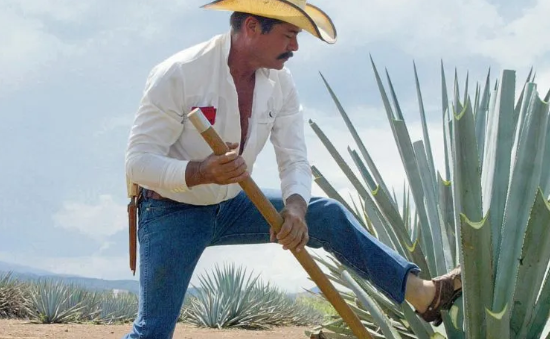
This international recognition propelled Mexico’s signature spirit to new commercial and cultural heights. Yet the essence of authentic tequila remains deeply rooted in the region’s red soil and in the skilled hands of traditional jimadores, who carefully cultivate every agave plant.
The Denomination of Origin is strictly regulated to protect the quality and authenticity of tequila worldwide. Only five Mexican states are legally authorized to produce it: Jalisco, Nayarit, Guanajuato, Tamaulipas, and Michoacán, ensuring its genuine origin.
The entire production process begins with Blue Weber agave (Agave tequilana Weber var. azul), the only variety permitted under the official standard. This agave requires six to eight years to reach full maturity before it is harvested through the traditional process known as jima.
Jalisco’s Hidden Gems
Ask anyone from Jalisco about tequila, and you’ll likely spark a passionate debate over which producer makes the very best. A growing appreciation for traditional flavors has inspired independent distilleries to revive ancestral production methods that had nearly disappeared amid large-scale industrial production.
One of these remarkable producers is Caballito Cerrero, a brand founded in 1950 following a family dispute. Interestingly, its products are now marketed as Agave Distillate, preserving a tradition that spans fifteen generations at the historic Santa Rita distillery in Amatitán.
Another favorite among enthusiasts is Tequila Cascahuín, whose history dates back to 1904 in the same municipality. Often regarded as one of the gateways to Jalisco’s agave landscape, the distillery takes its name from the nearby hill and continues to preserve the authentic character of the valley.
Meanwhile, Tierra Noble demonstrates that exceptional tequila is not limited to a single production region. By taking advantage of its area’s higher elevation and unique climate, the distillery achieves a slow, balanced aging process in both American and French oak barrels.
The Art of the Tahona and Proper Tasting
The success of many artisan producers lies in their continued use of the traditional tahona method.
A tahona is a massive volcanic stone wheel that slowly crushes the cooked agave hearts, naturally extracting their juices without placing excessive stress on the plant fibers.
This traditional process produces a spirit with distinctive sweet and herbal notes, offering a return to the authentic flavors that discerning consumers increasingly seek in every bottle.
How to Celebrate International Tequila Day?
Experts recommend the following tips to fully appreciate the experience:
- Look for the phrase “100% Agave” on the front label to ensure the tequila’s purity.
- Skip the traditional shot glass and use a proper crystal tasting glass to better appreciate its aromas.
- Sip the tequila slowly at room temperature to fully understand its flavor profile.
- Avoid using salt and lime, as they mask the natural flavors of the agave.
- Explore the different styles—from Blanco to Añejo—to gradually develop your palate.
A Sustainable Future for Tequila
The growing international popularity of tequila has also brought significant environmental challenges to the agave-producing regions. Intensive monoculture and increasing global demand have raised concerns about the long-term sustainability of the agave landscape.
Fortunately, many artisan producers are leading the way by adopting more responsible agricultural practices. By respecting the plant’s natural growing cycle and preserving traditional production methods, they help protect both the land and the exceptional quality of the final product.
The tequila industry generates thousands of direct and indirect jobs throughout the five authorized producing states. Beyond its economic importance, however, its greatest value lies in preserving a centuries-old cultural tradition passed down from generation to generation.
Today, tequila has become a premium spirit recognized around the world, competing with some of the finest distilled beverages available. International consumers increasingly appreciate not only its flavor, but also the history, terroir, and craftsmanship behind every bottle.
On this International Tequila Day, the invitation is to look beyond mass-market advertising and heavily industrialized products. Choosing a bottle from an independent producer is, in many ways, raising a glass to Mexico’s living history, cultural heritage, and enduring pride.
Source: informador